Dala
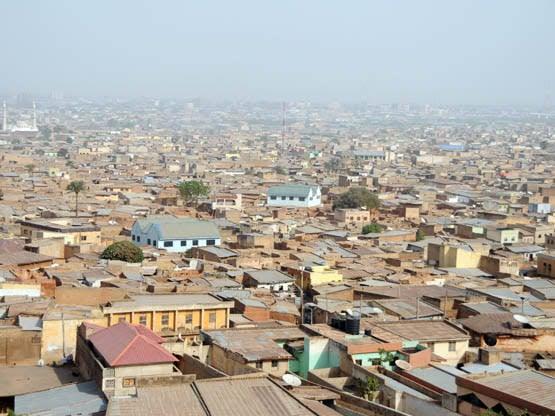
Dala is a local government area located in Kano State, Nigeria. It is situated in the central part of Kano State, with its headquarters located in the city of Gwale. It is bordered by other local government areas such as Fagge, Ungogo, Kumbotso, and Tarauni. Dala has a significant population, with diverse ethnic and cultural backgrounds. The area is predominantly inhabited by Hausa people, who are the largest ethnic group in Northern Nigeria. Dala is known for its bustling economic activities. The area is home to various markets, commercial centers, and industrial establishments. Trading, small-scale businesses, and crafts are common economic activities in Dala. Dala has several educational institutions, including primary schools, secondary schools, and vocational training centers. The area also houses higher education institutions, including Kano State Polytechnic and Kano State College of Arts, Science, and Remedial Studies. Dala has a rich cultural heritage that is deeply rooted in Hausa traditions and customs. Traditional music, dance, festivals, and ceremonies are an integral part of the local culture. Dala has undergone significant infrastructural development, including road networks, public facilities, and healthcare centers, to cater to the needs of its growing population. Dala offers some attractions for tourists, including historical sites, museums, and cultural events. The Gidan Makama Museum, located in the city of Gwale, showcases artifacts and exhibits related to the history and culture of Kano State. Overall, Dala is a vibrant local government area that combines economic activities, cultural heritage, and infrastructure development to provide a dynamic and thriving environment for its residents and visitors.
Summary
Dala is a central LGA in Kano State, Nigeria, known for its economic activities, cultural heritage, and infrastructure. It is predominantly inhabited by the Hausa people and features bustling markets, commercial centers, and industrial establishments. Education thrives with various schools and institutions like Kano State Polytechnic. The area preserves Hausa traditions through music, dance, and festivals while also undergoing infrastructural development. Key attractions include the Gidan Makama Museum, which showcases Kano's rich history.
Photos
Sponsored Properties
Side Attraction
YOU'LL FALL IN LOVE WITH
When exploring Dala, there are several aspects that you might fall in love with. Here are a few possibilities: 1. Rich Cultural Heritage: Dala is deeply rooted in Hausa traditions and customs, offering a rich cultural experience. You might fall in love with the vibrant music, captivating dance performances, colorful festivals, and the warm hospitality of the local people. 2. Bustling Markets: The markets in Dala are vibrant and bustling, creating a lively atmosphere. You might find yourself falling in love with the vibrant displays of goods, the aromas of local spices and food, and the energetic trading activities. 3. Culinary Delights: Dala offers a diverse range of delicious local cuisine. You might fall in love with the flavorful traditional dishes, street food delicacies, and the opportunity to savor the authentic flavors of the region. 4. Art and Craftsmanship: Dala is known for its skilled artisans and craftsmen. You might develop an appreciation for the intricate handwoven textiles, exquisite pottery, intricate beadwork, and other traditional crafts that showcase the talent and creativity of the local artisans. 5. Warm Community Spirit: The people of Dala are known for their warm and welcoming nature. You might fall in love with the sense of community and the genuine connections you can form with the locals, who are often eager to share their stories, traditions, and customs. 6. Historical and Cultural Sites: Dala may have historical sites and cultural landmarks that offer glimpses into the region's past. You might fall in love with the ancient architecture, museums, and artifacts that tell stories of the area's history and cultural heritage. 7. Natural Beauty: Dala might offer scenic landscapes, including lush greenery, rivers, or parks. You might fall in love with the serene and tranquil natural surroundings that provide an escape from the hustle and bustle of daily life. It's worth noting that individual experiences and preferences may vary, but these are some aspects of Dala that have the potential to captivate and inspire visitors.
THE MARKET
The market in Dala is a vibrant and bustling center of economic activity and social interaction. It offers a wide variety of goods and products, including fresh produce, grains, spices, clothing, household items, and handicrafts. The market serves as a vital trading hub where locals and visitors come together to buy and sell goods. It provides a platform for entrepreneurship and contributes to the local economy. Additionally, the market is a vibrant social space where people gather, interact, and exchange news and ideas. It reflects the dynamic nature of Dala's community and plays a significant role in the daily lives of its residents.
THE LIFESTYLE
The lifestyle in Dala reflects a blend of traditional values, urban living, and cultural heritage. Here are some aspects of the lifestyle in Dala: 1. Urban Environment: Dala encompasses urban areas characterized by bustling streets, commercial centers, and residential neighborhoods. The urban lifestyle brings convenience, access to amenities, and a range of social and entertainment opportunities. 2. Cultural Heritage: Dala is deeply rooted in Hausa traditions and customs. The local population takes pride in preserving and celebrating their cultural heritage through traditional music, dance, festivals, and ceremonies. The lifestyle embraces cultural practices and values. 3. Economic Activities: Dala is known for its economic activities, including trade, small businesses, and crafts. The entrepreneurial spirit is evident, with markets serving as key hubs for commerce and economic transactions. 4. Education and Intellectual Pursuits: Dala houses educational institutions, offering opportunities for learning and intellectual development. Education is valued, and residents actively pursue knowledge and skills through formal education or vocational training. 5. Community and Social Interaction: The lifestyle in Dala emphasizes community and social interaction. The local population values strong social ties and often engage in communal activities, gatherings, and events that foster a sense of belonging and camaraderie. 6. Modern Influences: As an urban area, Dala experiences modern influences and trends. Residents may embrace elements of contemporary culture, fashion, and technology while still maintaining a connection to their cultural roots. 7. Leisure and Recreation: Dala offers recreational opportunities, such as parks, sports facilities, and entertainment venues. Residents may engage in sports, social clubs, or cultural events as part of their leisure activities. Overall, the lifestyle in Dala combines urban conveniences, cultural traditions, and economic activities, providing a dynamic and diverse living experience for its residents. It reflects a balance between preserving cultural heritage and embracing modern influences.
WHAT TO EXPECT
When visiting or engaging with Dala, here are some things you can expect: 1. Vibrant Markets: Dala is known for its bustling markets where you can experience a lively and dynamic trading atmosphere. Expect to find a wide variety of goods, including local produce, textiles, handicrafts, and household items. 2. Rich Cultural Heritage: Dala is steeped in Hausa traditions and customs. You can expect to witness traditional music, dance performances, and cultural festivals that showcase the area's cultural heritage. 3. Economic Activities: Dala is a hub for economic activities, with thriving markets, commercial centers, and industrial establishments. Expect to see various business activities, trades, and crafts. 4. Educational Institutions: Dala houses several educational institutions, including primary schools, secondary schools, and higher education institutions. Expect to find opportunities for learning and educational development. 5. Infrastructure: Dala has undergone significant infrastructural development, including road networks, public facilities, and healthcare centers, to cater to the needs of its residents and visitors. 6. Historical and Cultural Sites: Dala may have historical sites, museums, and cultural centers where you can explore the region's history and cultural heritage. Expect to find artifacts, exhibits, and displays related to the local history and traditions. 7. Warm Hospitality: The people of Dala are known for their warm hospitality and friendliness. Expect to be welcomed with open arms and experience the local culture and customs through interactions with the residents. Visiting Dala provides an opportunity to immerse yourself in the vibrant markets, rich cultural heritage, and economic activities of the area. It offers a unique blend of tradition and modernity, showcasing the dynamic nature of this local government area in Kano State, Nigeria.
THE NEIGHBOURS
Dala, located in Kano State, Nigeria, is surrounded by several neighboring local government areas. Here are some of its neighboring local government areas: 1. Fagge: Fagge is located to the west of Dala. It is a densely populated local government area and is known for its vibrant markets, commercial activities, and cultural events. 2. Ungogo: Ungogo is situated to the north of Dala. It is a local government area that encompasses both urban and rural areas. It is known for its agricultural activities, including farming and livestock production. 3. Kumbotso: Kumbotso is located to the east of Dala. It is a local government area that features a mix of urban and suburban areas. It is home to various industries, residential neighborhoods, and commercial centers. 4. Tarauni: Tarauni is situated to the south of Dala. It is a local government area that is primarily residential but also hosts some commercial activities. It is known for its educational institutions and residential estates. These neighboring local government areas contribute to the overall economic, cultural, and social dynamics of the region and often engage in various collaborative activities for regional development.