Doguwa
Doguwa is a Local Government Area (LGA) in Kano State, Nigeria. It is located in the northern part of the country and is one of the 44 LGAs in Kano State. The LGA is named after its headquarters, Doguwa town. Doguwa LGA is situated in the Savannah region of Nigeria and is predominantly inhabited by the Hausa ethnic group, which is the dominant ethnic group in Kano State. The LGA is known for its agricultural activities, with farming being the primary occupation of the residents. Crops such as maize, millet, rice, sorghum, and vegetables are cultivated in the area. The community in Doguwa is known for its cultural heritage and traditions. Traditional festivals, music, dance, and artwork are celebrated and cherished by the residents. The LGA is also home to various historical and cultural sites that reflect the rich history of the area. The people of Doguwa are known for their warmth and hospitality, and the community is characterized by a strong sense of unity and communal living. Islam is the predominant religion in Doguwa, and mosques play a central role in the religious and social life of the community. Overall, Doguwa is a rural area in Kano State, Nigeria, with a predominantly Hausa population. The LGA is known for its agricultural activities, cultural heritage, and a strong sense of community.
Summary
Doguwa is a rural local government area in Kano State, Nigeria, primarily inhabited by the Hausa ethnic group. It is located in the savannah region and is known for agriculture, with residents cultivating maize, millet, rice, sorghum, and vegetables. The community has a rich cultural heritage, celebrating traditional festivals, music, and dance. Islam is the predominant religion, with mosques playing a central role in social life. Doguwa is also home to historical and cultural sites, reflecting its deep-rooted history and strong communal bonds.
Photos
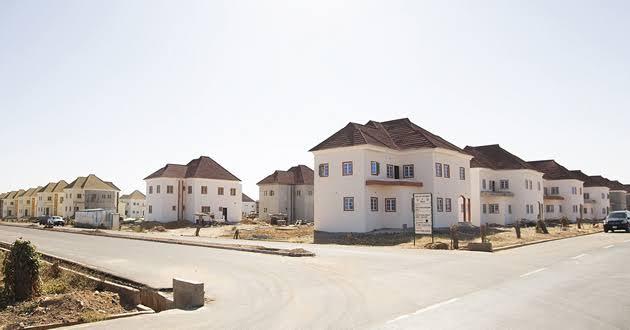
Sponsored Properties
Side Attraction
YOU'LL FALL IN LOVE WITH
When visiting Doguwa, there are several aspects of the community that you may find endearing and could potentially fall in love with: 1. Warm Hospitality: The people of Doguwa are known for their warm and welcoming nature. You may be greeted with genuine smiles, friendly gestures, and a strong sense of hospitality. This welcoming atmosphere can make you feel embraced and appreciated as a visitor or resident. 2. Rich Cultural Heritage: Doguwa is deeply rooted in the Hausa cultural heritage. The community's traditions, customs, music, dance, and artwork provide a rich tapestry of cultural experiences. Immersing yourself in this vibrant culture can be captivating and foster a deep appreciation for the local way of life. 3. Community Spirit: Doguwa has a strong sense of community and togetherness. The close-knit nature of the community, where neighbors support one another and communal activities are common, can create a sense of belonging and connectedness. Engaging in community events and witnessing the collective efforts of the residents may leave a lasting impression. 4. Natural Beauty: Doguwa is surrounded by the scenic beauty of the Nigerian Savannah. The vast open spaces, green farmlands, and serene rural areas can be visually stunning. You may find solace and tranquility in the simplicity and harmony of the natural surroundings. 5. Traditional Cuisine: The local cuisine of Doguwa, influenced by the Hausa culture, can be a delightful culinary experience. The flavors, aromas, and variety of traditional dishes, such as tuwo shinkafa, miyan kuka, and fura da nono, can tantalize your taste buds and introduce you to new culinary delights. 6. Sense of Tradition: Doguwa holds onto its traditional values and customs, creating a sense of authenticity and timelessness. The preservation of traditions, rituals, and practices can be enchanting and offer a glimpse into the community's history and heritage. 7. Sense of Peace: Doguwa, with its rural setting and traditional way of life, can provide a sense of peace and tranquility. Away from the hustle and bustle of urban areas, you may find a slower pace of life, serene surroundings, and a peaceful environment that allows for reflection and relaxation. These are just a few aspects of Doguwa that may capture your heart and make you fall in love with the community. The warmth of the people, the richness of the culture, the sense of community, the natural beauty, the traditional cuisine, and the overall sense of peace can
THE MARKET
In Doguwa, there is a local market that serves as a hub for economic activities and trade within the community. Here's some information about the market: 1. Location and Size: The market is typically located in the central area of Doguwa town. Its size can vary, ranging from small-scale local markets to larger markets that attract traders from nearby communities. 2. Market Days: The market operates on specific days of the week, with some markets being held daily, while others operate on designated market days. These market days are usually bustling and attract a significant number of buyers and sellers. 3. Variety of Goods: The market offers a wide range of goods and commodities to meet the needs of the community. You can find fresh produce, grains, vegetables, fruits, livestock, poultry, and fish. Additionally, household items, clothing, traditional crafts, and other locally produced goods may also be available. 4. Trade and Commerce: The market serves as a platform for local trade and commerce. Traders from within Doguwa and nearby communities gather to sell their goods and engage in business activities. It is a place where buyers and sellers negotiate prices and conduct transactions. 5. Economic Importance: The market plays a crucial role in the local economy of Doguwa. It provides opportunities for small-scale traders, farmers, and artisans to sell their products and generate income. The market also contributes to the circulation of money within the community, supporting the local economy. 6. Social Interaction: The market is not just a place for economic transactions but also a space for social interaction. It serves as a meeting point for community members, allowing them to catch up with friends and neighbors, exchange news, and engage in conversations. The market creates a vibrant atmosphere and fosters a sense of community spirit. Visiting the local market in Doguwa can provide a glimpse into the economic activities, local produce.
THE LIFESTYLE
The lifestyle in Doguwa is predominantly rural and influenced by the community's agrarian activities and traditional values. Here are some aspects of the lifestyle you can expect in Doguwa: 1. Agricultural Focus: Agriculture is a central part of the lifestyle in Doguwa. The majority of the population is engaged in farming activities, cultivating crops such as maize, millet, rice, sorghum, and vegetables. The farming calendar and seasonal agricultural work often shape the daily routines and activities of the community. 2. Traditional Values: Doguwa is known for its adherence to traditional values and customs. Respect for elders, strong family ties, community solidarity, and adherence to cultural norms are important aspects of the lifestyle. Traditional ceremonies, festivals, and celebrations are observed and cherished, providing opportunities for social gatherings and the preservation of cultural heritage. 3. Close-Knit Community: The community in Doguwa is characterized by a close-knit and interconnected social structure. Neighbors and extended family members often support one another, and there is a strong sense of collective responsibility and cooperation. Social interactions play a significant role in daily life, fostering a sense of belonging and community spirit. 4. Simple and Traditional Living: The lifestyle in Doguwa is often characterized by simplicity and a strong connection to traditional ways of living. Many households have basic amenities, and traditional customs and practices are still followed. Traditional clothing, such as the Hausa attire, is commonly worn, especially during cultural events and celebrations. 5. Islamic Influence: Islam has a significant influence on the lifestyle in Doguwa, as it does in many parts of northern Nigeria. The majority of the population is Muslim, and religious practices and observances play an important role in daily life. Mosques are central gathering places for prayers and community activities, and Islamic values guide personal and social conduct. 6. Community Engagement: Active community engagement is a notable aspect of the lifestyle in Doguwa. Community members come together for various activities, including farming, festivals, weddings, and other social events. Community participation and cooperation are valued, and working collectively for the benefit of the community is a common practice. 7. Leisure and Recreation: In their leisure time, residents of Doguwa often engage in social activities and forms
WHAT TO EXPECT
When visiting or residing in Doguwa, here are some things you can expect: 1. Rural Setting: Doguwa is a predominantly rural area, characterized by vast open spaces, farmlands, and a peaceful environment. The area offers a break from urban congestion and provides a serene setting for relaxation and immersion in nature. 2. Agricultural Activities: Agriculture is a significant part of the local economy in Doguwa. You can expect to see farmlands where crops such as maize, millet, rice, sorghum, and vegetables are cultivated. Witnessing farming practices and engaging in agricultural activities may be possible, providing insights into the rural agrarian lifestyle. 3. Warm Hospitality: The people of Doguwa are known for their warmth and hospitality. Visitors can expect a friendly reception and a welcoming atmosphere when interacting with the locals. The community's hospitality adds to the overall experience of staying or visiting the area. 4. Traditional Culture: Doguwa has a rich cultural heritage rooted in the Hausa traditions. Expect to experience traditional festivals, music, dance, and artwork that showcase the local culture. Traditional ceremonies and celebrations may provide opportunities to immerse yourself in the community's cultural practices. 5. Islamic Influence: Islam is the predominant religion in Doguwa, and Islamic traditions have a significant influence on the community. Mosques are important gathering places, and you may witness the observance of religious practices and rituals in daily life. 6. Community Spirit: Doguwa is known for its strong sense of community and communal living. Expect to find a close-knit community where neighbors support one another, and community events and activities foster social connections and cooperation. 7. Natural Beauty: The rural setting of Doguwa offers opportunities to appreciate the natural beauty of the area. The vast open spaces, farmlands, and surrounding landscapes provide picturesque views and a chance to enjoy outdoor activities or simply soak in the tranquility of the surroundings. 8. Local Cuisine: You can expect to savor traditional Hausa cuisine while in Doguwa. The local cuisine often includes dishes such as tuwo shinkafa (rice meal), miyan kuka (baobab leaf soup), fura da nono (millet-based beverage), and other regional delicacies. Exploring the local cuisine can be a delightful culinary experience. Overall, when visiting or residing in Doguwa, expect a rural setting, agricultural activities, warm
THE NEIGHBOURS
Doguwa Local Government Area in Kano State, Nigeria shares borders with several other LGAs. Here are its neighboring LGAs: 1. Tudun Wada: Located to the west of Doguwa, Tudun Wada LGA is known for its agricultural activities, particularly in the cultivation of crops such as maize, millet, and sorghum. It is predominantly a rural area. 2. Dawakin Kudu: Situated to the northwest of Doguwa, Dawakin Kudu LGA is known for its farming activities, including the cultivation of crops such as maize, millet, and rice. It is a predominantly rural area. 3. Ungogo: Located to the north of Doguwa, Ungogo LGA is known for its agricultural activities, particularly in rice production. It is predominantly a rural area with a focus on farming. 4. Gezawa: Situated to the northeast of Doguwa, Gezawa LGA is known for its farming activities, with a focus on crops such as maize, millet, and groundnut. It is predominantly a rural area. 5. Minjibir: Located to the east of Doguwa, Minjibir LGA is known for its agricultural activities, including the cultivation of crops such as wheat, millet, and rice. It is predominantly a rural area. 6. Rogo: Situated to the southeast of Doguwa, Rogo LGA is known for its agricultural activities, with a focus on crops such as maize, millet, and sorghum. It is predominantly a rural area. These are the immediate neighboring LGAs of Doguwa in Kano State, Nigeria.