Gabasawa
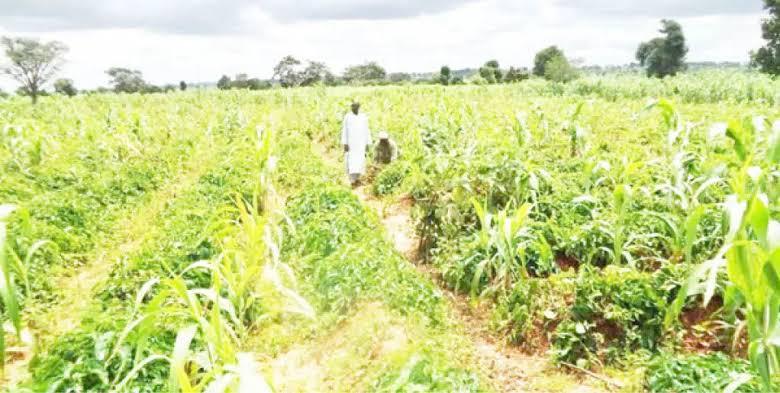
Gabasawa is a town located in Nigeria. It is situated in the Kano State, which is in the northern part of the country. The town is the headquarters of the Gabasawa Local Government Area. Gabasawa is primarily an agricultural community, with farming being the main occupation of the residents. The area is known for the cultivation of crops such as millet, maize, sorghum, and groundnuts. Livestock farming is also common, with cattle, sheep, and goats being reared. The town has basic infrastructure and amenities, including schools, healthcare facilities, markets, and transportation services. The local government is responsible for providing services and maintaining the infrastructure in the area.In terms of culture, Gabasawa is predominantly inhabited by the Hausa people, who are the largest ethnic group in northern Nigeria. The Hausa language is widely spoken in the town, although English is also understood and used for official purposes. Like many other towns in Nigeria, Gabasawa celebrates various cultural festivals and events throughout the year. These festivals often involve traditional dances, music, and other forms of entertainment, allowing residents to showcase their cultural heritage. Overall, Gabasawa is a rural community with an agrarian economy and a rich cultural heritage.
Summary
Gabasawa is a rural town in Kano State, Nigeria, serving as the headquarters of Gabasawa Local Government Area. The community is primarily agricultural, cultivating crops like millet, maize, sorghum, and groundnuts, along with livestock farming. Basic infrastructure includes schools, healthcare facilities, markets, and transportation services. Predominantly inhabited by the Hausa people, the town celebrates cultural festivals featuring traditional music and dances.
Photos
Sponsored Properties
Side Attraction
YOU'LL FALL IN LOVE WITH
There are several aspects of Gabasawa and its surrounding areas that people often find themselves falling in love with. Here are some things that tend to capture the hearts of visitors and residents: 1. Natural Beauty: The region boasts picturesque landscapes and natural beauty. From vast farmlands and rolling hills to serene rural vistas, the charm of the natural surroundings can be captivating. 2. Warm Hospitality: The people of Gabasawa and its neighboring areas are known for their warm hospitality and friendliness. Visitors often appreciate the welcoming nature of the locals, who go out of their way to make guests feel comfortable and at home. 3. Rich Culture and Traditions: The area is steeped in rich cultural heritage, particularly influenced by the Hausa ethnic group. The vibrant traditions, colorful festivals, and traditional music and dances provide an opportunity to immerse oneself in the local culture and create lasting memories. 4. Authentic Local Cuisine: The traditional cuisine in Gabasawa and its surroundings is known for its flavors and variety. From aromatic stews to hearty grains, exploring the local culinary delights can be a delightful experience. 5. Community Spirit: The strong sense of community and togetherness is often appreciated by visitors and residents. The close-knit relationships, mutual support, and communal celebrations create a sense of belonging and make people feel welcomed and embraced. 6. Simplicity and Peacefulness: The laid-back lifestyle, away from the hustle and bustle of urban areas, can be appealing to those seeking tranquility. The slower pace of life allows for relaxation, introspection, and a break from the fast-paced world. 7. Cultural Exchange: Engaging with the local community provides an opportunity for cultural exchange and learning. Immersing oneself in the local traditions, language, and customs can be a rewarding experience that fosters a deeper understanding of the region. 8. Authentic Rural Experience: For those seeking an authentic rural experience, Gabasawa and its neighboring areas offer an opportunity to witness and participate in traditional farming practices, rural festivals, and daily life in a non-urban setting. These are some of the aspects that often capture the hearts of people who visit or live in Gabasawa and its surroundings. Each individual's experience may vary, but these elements contribute to the overall charm and appeal of the region.
THE MARKET
The market in Gabasawa and its neighboring areas serves as a vital center for economic and social interactions. It is a bustling hub where residents gather to buy and sell a variety of goods and services. The market plays a crucial role in the local economy, providing opportunities for trade and livelihoods. In the market, you can expect to find a wide range of products such as fresh produce, grains, spices, clothing, household items, and local crafts. Farmers bring their agricultural products, including crops like millet, maize, sorghum, and groundnuts, to sell. Local artisans may display their handcrafted items, reflecting the cultural heritage of the region. The market is not only a place for commercial transactions but also a social gathering point. People come to meet and interact with one another, sharing news, exchanging information, and building community connections. It is a vibrant and lively space where the local culture and traditions come to life. The market is usually busy and filled with activity, particularly during peak hours and market days. Vendors set up their stalls or spread out their wares on mats, creating a colorful and bustling atmosphere. Negotiation and haggling are common practices, so expect to engage in friendly bargaining when making purchases. The market in Gabasawa and its neighboring areas reflects the local lifestyle, offering an authentic experience of the region's culture and economic activities. It is a vibrant place where locals and visitors alike can immerse themselves in the sights, sounds, and flavors of the community.
THE LIFESTYLE
The lifestyle in Gabasawa and its neighboring areas is predominantly rural and revolves around agriculture and traditional values. Here are some aspects of the lifestyle you can expect: 1. Agrarian Economy: Agriculture is the main occupation and livelihood for many residents in Gabasawa and its neighboring areas. The lifestyle is closely connected to farming practices, with a focus on cultivating crops such as millet, maize, sorghum, and groundnuts. Livestock farming, including cattle rearing, is also prevalent. 2. Close-knit Community: The communities in Gabasawa and its surroundings tend to be close-knit, with strong social bonds and a sense of communal support. People often live in extended family units and engage in communal activities and celebrations. 3. Traditional Values and Customs: The lifestyle is influenced by traditional values and customs, particularly among the Hausa ethnic group. Respect for elders, hospitality, and a sense of community are highly valued. Traditional festivals, such as Eid al-Fitr and Eid al-Adha, are celebrated with enthusiasm, and cultural practices like traditional dances and music are cherished.
WHAT TO EXPECT
When visiting or living in Gabasawa or its neighboring areas, here are some things you can expect: 1. Agricultural Economy: Gabasawa and its neighboring areas have an agricultural economy. Expect to see vast farmlands where crops like millet, maize, sorghum, and other agricultural products are cultivated. You may also come across livestock farms where cattle, sheep, and goats are reared. 2. Cultural Heritage: The region is predominantly inhabited by the Hausa people, who have a rich cultural heritage. You can expect to witness cultural festivals, traditional dances, music, and vibrant markets where you can explore local crafts, food, and clothing. 3. Warm and Welcoming People: The residents of Gabasawa and its neighboring areas are generally known for their hospitality and friendliness. You can expect to be greeted warmly by the locals and experience their warm hospitality. 4. Traditional Cuisine: The local cuisine in Gabasawa and its surroundings is typically rich in flavors. You can expect to taste traditional Hausa dishes such as tuwo shinkafa (rice pudding), miyan kuka (baobab leaf soup), and kilishi (spicy dried meat), among others. 5. Rural Environment: Gabasawa and its neighboring areas are primarily rural communities. You will encounter a peaceful and serene environment with vast stretches of farmland, open spaces, and rural landscapes. 6. Basic Infrastructure: While the area may not have the same level of infrastructure as urban centers, you can expect to find basic amenities such as schools, healthcare facilities, markets, and transportation services. The infrastructure may vary in terms of quality and accessibility. 7. Hot Climate: The region experiences a hot climate, particularly during the dry season. Expect high temperatures and dry conditions, especially from November to March. It is advisable to dress appropriately and stay hydrated. 8. Language: The primary language spoken in Gabasawa and its neighboring areas is Hausa. However, many residents also understand and speak English, especially for official purposes. These are some general expectations when visiting or living in Gabasawa and its neighboring areas. It is always beneficial to familiarize yourself with local customs and practices to have a more fulfilling experience.
THE NEIGHBOURS
Gabasawa is located in the Kano State of Nigeria and shares borders with several other local government areas and towns. Here are some of its neighboring areas: 1. Dawakin Tofa: Dawakin Tofa is a local government area in Kano State that borders Gabasawa to the west. It is known for its agricultural activities, including the cultivation of crops like rice, maize, and vegetables. 2. Kura: Kura is another local government area in Kano State that shares a border with Gabasawa to the east. It is predominantly a rural area with farming as the main occupation of the residents. 3. Shanono: Shanono is located to the north of Gabasawa. It is a local government area in Kano State with a primarily agrarian economy. The area is known for its production of crops such as millet, sorghum, and maize. 4. Wudil: Wudil is a local government area that borders Gabasawa to the south. It is situated in Kano State and is known for its educational institutions, including the Federal College of Education, Wudil. These are some of the immediate neighboring areas of Gabasawa. Kano State itself shares borders with other states in Nigeria, including Jigawa, Bauchi, Kaduna, and Katsina.