Gezawa
Gezawa is a local government area in Kano State, Nigeria. It is located in the northern part of the state and shares boundaries with other local government areas such as Kano Municipal, Tarauni, Dawakin Kudu, and Wudil. Here is some information about Gezawa:1. Location and Size: Gezawa is situated in the central part of Kano State, with Kano city to its west. It covers a land area of approximately 602 square kilometers and is home to a significant population.2. Administrative Capital: The administrative capital of Gezawa is the town of Gezawa. This town serves as the headquarters of the local government area and is an important center for administrative, commercial, and social activities within the region.3. Agriculture: Gezawa is predominantly an agrarian community, and agriculture plays a vital role in the local economy. The fertile lands in the area support the cultivation of crops such as maize, millet, sorghum, rice, and vegetables. Livestock rearing, including cattle, sheep, and goats, is also practiced.4. Trade and Commerce: Gezawa has a growing commercial sector that contributes to the local economy. In addition to agriculture, small-scale businesses and trade activities thrive in the area. Local markets serve as trading hubs where residents can buy and sell various goods and commodities.5. Education: Gezawa places importance on education, and efforts have been made to provide educational opportunities for its residents. The local government area is home to several primary and secondary schools, as well as a few tertiary institutions.6. Healthcare: Gezawa has healthcare facilities that cater to the healthcare needs of its residents. Primary healthcare centers, clinics, and hospitals are available within the local government area, ensuring access to medical services for the community.7. Infrastructure: Gezawa, like other areas in Kano State, has seen improvements in its infrastructure over the years. The road network has been developed to facilitate transportation within and around the local government area. Electricity and basic amenities are available, contributing to the overall development of the region.8. Cultural Heritage: Gezawa, being part of the larger Hausa cultural region, has a rich cultural heritage. Traditional customs, festivals, music, dances, and crafts are part of the local cultural identity and are celebrated by the community.Gezawa offers a mix of agricultural activities, commercial opportunities, educational institutions, and access to healthcare services. Its cultural heritage and growing infrastructure contribute to the overall development and quality of life in the area.
Summary
Gezawa is a local government area in the northern part of Kano State, Nigeria, covering around 602 square kilometers. The administrative capital is Gezawa town, which serves as a center for commerce, administration, and social activities. The area is primarily agrarian, with crops like maize, millet, sorghum, and rice being cultivated, alongside livestock farming. Gezawa has a growing commercial sector, with local markets and small-scale businesses contributing to the economy. The region has invested in education, with several primary and secondary schools, as well as some tertiary institutions. Healthcare facilities, including clinics and hospitals, are available for residents. The infrastructure has seen improvements in transportation, electricity, and basic amenities. The area is rich in cultural heritage, with traditional Hausa customs, festivals, music, and crafts.
Photos
Sponsored Properties
Side Attraction
YOU'LL FALL IN LOVE WITH
When visiting the market in Gezawa, there are several things that you might fall in love with: 1. Vibrant Atmosphere: The market in Gezawa is often lively and bustling with activity. The vibrant atmosphere, filled with the sounds of vendors calling out their wares, people bargaining, and the general buzz of commerce, can be captivating and exciting. 2. Rich Aromas: The market is a sensory experience, and you'll encounter a variety of enticing smells as you navigate through the different sections. The aroma of freshly picked fruits, spices, traditional food being prepared, and other enticing scents can awaken your senses and evoke a sense of delight. 3. Fresh and Local Produce: One of the highlights of the market is the abundance of fresh and locally sourced produce. You'll find a wide array of fruits, vegetables, grains, and herbs that are often harvested directly from nearby farms. The freshness and quality of the produce can be truly remarkable. 4. Traditional Crafts and Artwork: The market in Gezawa is also a treasure trove of traditional crafts and artwork. Artisans and craftsmen showcase their skills by creating intricate wood carvings, woven baskets, traditional clothing, pottery, and other handmade items. The craftsmanship and artistic beauty of these pieces can be captivating and make for unique souvenirs or decorative items. 5. Culinary Delights: The market offers a chance to indulge in the flavors of local cuisine. Street food stalls and small eateries serve up traditional dishes prepared with local ingredients. From mouth-watering snacks to flavorful meals, you'll have the opportunity to taste and fall in love with the authentic flavors of the region. 6. Colorful Displays: The market is a visual feast with its vibrant and colorful displays. From the colorful textiles and clothing to the neatly arranged fruits and vegetables, the market showcases a riot of colors that can be visually appealing and captivating. 7. Cultural Diversity: Gezawa's market attracts people from various backgrounds and communities, creating a rich tapestry of cultural diversity. Interacting with people from different walks of life, observing traditional attire, and experiencing the cultural exchange can be a captivating and enriching experience. 8. Sense of Community: The market is a place where the community comes together. The warmth and friendliness of the people, the sense of camaraderie, and the shared experiences can create a sense of belonging and make you feel conn
THE MARKET
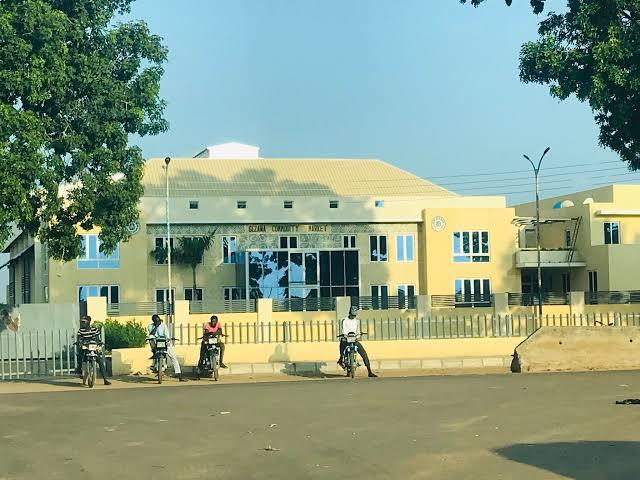
The market in Gezawa plays a significant role in the local economy and community life. Here are some key points about the market in Gezawa: 1. Local Markets: Gezawa has local markets where residents gather to buy and sell various goods and commodities. These markets are often vibrant and bustling with activity, particularly on market days. People from the surrounding areas come to the market to trade and engage in economic transactions. 2. Trading Hub: The market in Gezawa serves as a trading hub for the local community and neighboring areas. It provides a platform for farmers to sell their agricultural produce, such as crops, livestock, and other farm products. Additionally, traders from different parts of the region come to the market to sell a wide range of goods. 3. Variety of Goods: The market offers a diverse range of goods and commodities to meet the needs of the community. You can expect to find items such as fresh fruits and vegetables, grains, spices, household goods, clothing, handmade crafts, and livestock. The availability of such a variety of goods makes the market an important center for daily necessities and economic exchange. 4. Cultural Exchange: The market in Gezawa is not only a place for commerce but also a site for cultural exchange. People from different backgrounds and communities come together at the market, fostering interactions and promoting cultural diversity. It's an opportunity to experience the local culture, observe traditional dressing styles, and engage in conversations with a diverse range of people. 5. Economic Opportunities: The market in Gezawa creates economic opportunities for traders, farmers, and artisans. It serves as a platform for small-scale businesses and entrepreneurs to showcase and sell their products. The market contributes to the local economy by generating income and employment opportunities. 6. Social Gathering: The market is not just about business transactions; it also serves as a social gathering place. It's a meeting point for people to catch up with friends, exchange news and gossip, and engage in informal conversations. The market atmosphere is often lively and vibrant, creating a sense of community and fostering social connections. 7. Support for Local Economy: By patronizing the market in Gezawa, residents contribute to the growth and sustainability of the local economy. Buying locally produced goods supports local farmers and artisans, helping to strengthen the economic base of the community.
THE LIFESTYLE
The lifestyle in Gezawa is primarily characterized by its rural setting and agricultural activities. Here are some aspects of the lifestyle in Gezawa: 1. Agrarian Lifestyle: Agriculture is a central part of the lifestyle in Gezawa. Many residents engage in farming as their primary occupation. The farming practices are often based on traditional methods, with crops like maize, millet, sorghum, rice, and vegetables being cultivated. The rural lifestyle revolves around the agricultural calendar, with activities such as planting, harvesting, and tending to crops. 2. Strong Community Bonds: Gezawa is known for its strong sense of community. People in the area often have close-knit relationships with their neighbors and extended families. The community bonds are reinforced through social gatherings, festivals, and mutual support. The community-oriented lifestyle promotes a sense of belonging and solidarity among the residents. 3. Traditional Cultural Practices: Gezawa has a rich cultural heritage rooted in the larger Hausa culture. Traditional customs, music, dances, arts, and crafts are integral parts of the lifestyle. People in Gezawa take pride in their cultural identity and often participate in traditional ceremonies, weddings, and festivals. 4. Close Connection to Nature: Gezawa's rural environment fosters a close connection to nature. Many residents have a deep appreciation for the natural beauty that surrounds them. The countryside offers opportunities for activities like hiking, nature walks, and enjoying the peacefulness of the outdoors. 5. Simple and Relaxed Pace of Life: The lifestyle in Gezawa tends to be simple and relaxed compared to urban areas. The rural setting, with its slower pace of life, allows residents to enjoy a more laid-back and peaceful lifestyle. People often take time to engage in social interactions, spend time with family, and appreciate the small joys of daily life. 6. Traditional Cuisine: The local cuisine reflects the lifestyle and agricultural practices in Gezawa. Traditional dishes such as tuwo shinkafa (rice pudding), tuwo masara (cornmeal), miyan kuka (baobab leaf soup), and various stews and soups are commonly enjoyed. The use of local ingredients and traditional cooking techniques adds to the authenticity of the cuisine. 7. Strong Work Ethic: The residents of Gezawa typically exhibit a strong work ethic, especially in their agricultural endeavors. Farming requires dedication, hard work, and perseverance, and these values a
WHAT TO EXPECT
When visiting Gezawa, there are several things you can expect to experience. Here are some aspects to anticipate: 1. Rural Setting: Gezawa is predominantly a rural area with open landscapes, farmland, and a peaceful environment. Expect to see vast stretches of agricultural fields and the beauty of the Nigerian countryside. 2. Agricultural Activities: Agriculture is a significant economic activity in Gezawa. Expect to witness farmers cultivating crops such as maize, millet, sorghum, rice, and vegetables. You may see farmers tending to their fields, using traditional farming methods, and engaging in other agricultural activities. 3. Traditional Culture: Gezawa is part of the larger Hausa cultural region, and you can expect to experience and appreciate the traditional culture of the area. This includes witnessing traditional customs, music, dances, arts, and crafts. Traditional attire, such as the colorful Hausa robes and head coverings, may also be commonly seen. 4. Warm Hospitality: The people of Gezawa are known for their warm hospitality and friendly nature. Expect to be welcomed with kindness and openness by the local residents. Interactions with the community can provide insights into their way of life and foster connections with the local culture. 5. Local Markets: Gezawa has local markets where you can find a variety of goods and experience the vibrancy of local trade. These markets offer opportunities to interact with traders, observe the buying and selling of local products, and immerse yourself in the local market culture. 6. Traditional Cuisine: You can expect to indulge in authentic Hausa cuisine while in Gezawa. Local dishes such as tuwo shinkafa (rice pudding), tuwo masara (cornmeal), miyan kuka (baobab leaf soup), and various stews and soups are commonly enjoyed. The use of local ingredients and traditional cooking techniques adds to the uniqueness of the culinary experience. 7. Natural Beauty: Gezawa is surrounded by natural beauty, including the picturesque landscapes and scenic views of the countryside. Expect to encounter the tranquility and serenity of the rural setting, which can offer a peaceful escape from the hustle and bustle of urban life. 8. Cultural Festivals and Celebrations: Gezawa hosts various cultural festivals and celebrations throughout the year. These events provide opportunities to witness traditional dances, music performances, cultural displays, and participate in the local festivities. Attending these events can be a v
THE NEIGHBOURS
Gezawa shares boundaries with several local government areas in Kano State, Nigeria. Here are its neighboring local government areas: 1. Kano Municipal: Gezawa shares a boundary with Kano Municipal Local Government Area to the west. Kano Municipal is the local government area that encompasses the city of Kano, the capital of Kano State. 2. Tarauni: To the north of Gezawa is Tarauni Local Government Area. Tarauni is another local government area within Kano State and is known for its urban areas and economic activities. 3. Dawakin Kudu: Gezawa shares a boundary with Dawakin Kudu Local Government Area to the east. Dawakin Kudu is primarily an agricultural area known for its farming activities, particularly the cultivation of rice and other crops. 4. Wudil: To the south of Gezawa is Wudil Local Government Area. Wudil is known for its agricultural practices, including the cultivation of crops such as maize, millet, sorghum, and rice. These neighboring local government areas provide opportunities for economic interactions, cultural exchanges, and social connections. The proximity to Kano Municipal, the capital city of Kano State, also offers access to urban amenities, markets, and employment opportunities.