Nkanu
Nkanu is a local government area located in the southeastern region of Nigeria, within Enugu State. It is known for its rich cultural heritage, diverse traditions, and historical significance. Nkanu is home to a vibrant community of people who are predominantly farmers, cultivating crops such as yam, cassava, and maize, along with palm oil production.
The area is characterized by its scenic beauty, with lush forests and rolling hills, making it a place of both agricultural and ecological importance. Additionally, Nkanu is culturally rich, with numerous festivals, dances, and celebrations that reflect the values and traditions of the people.
The Nkanu people are known for their warm hospitality and strong communal ties, and they continue to maintain their age-old customs while adapting to modern life. The region's educational and healthcare facilities have seen improvement over time, contributing to its development. Nkanu is also strategically located, making it an important part of Enugu State's economy and social life.
Active Listings in Nkanu

Land
Ozalla, 4conner Junction By Riverview Lolite Estate, Nkanu Enugu


 Toilets
₦ 27,000,000
View this listingSummary
Photos
Sponsored Properties
Side Attraction
What You'll Fall Inlove With
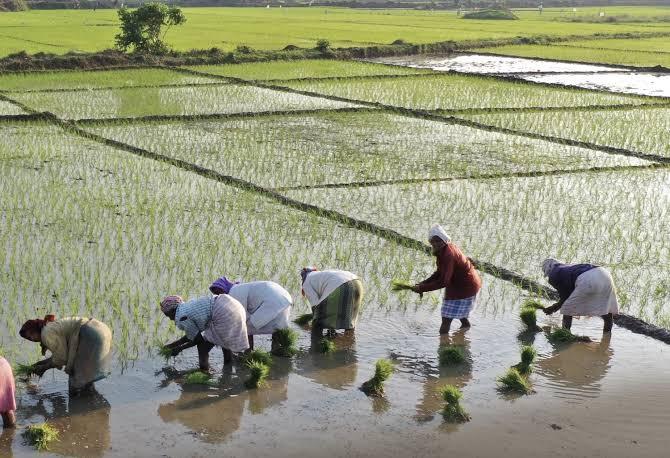
In Nkanu Local Government Area, you'll fall in love with the rich cultural heritage and the warmth of the community. The serene landscapes, with vast farmlands and picturesque rural views, provide a peaceful escape from the hustle and bustle of city life. The local traditions, including colorful festivals, dances, and ceremonies, will captivate your heart. The authentic and flavorful local cuisine, prepared from fresh, locally-grown produce, will also charm your senses. Additionally, the sense of community and hospitality of the people makes it a welcoming place to visit or live.
What To Expect
In Nkanu Local Government Area, you can expect a serene and rural atmosphere, where traditional values shape the daily experience. The region is primarily agrarian, so you will encounter lush farmlands, with crops like yam, cassava, and vegetables being grown. The pace of life is slower compared to urban areas, and the community is tightly knit. You can also expect to be immersed in the local culture, with opportunities to participate in festivals, traditional ceremonies, and family gatherings. Access to modern amenities may be limited in some areas, but the simplicity and tranquility of rural life offer a refreshing experience.
The Lifestyle
The lifestyle in Nkanu Local Government Area is deeply rooted in community and tradition, with an emphasis on agricultural activities and family-oriented living. Residents enjoy a close-knit environment where social gatherings, religious events, and cultural festivals play a significant role in daily life. The lifestyle is peaceful and simple, with many people engaged in farming, trading, and artisan crafts. The area is also known for its strong cultural values, where respect for elders and community unity are highly cherished. The natural landscape offers opportunities for outdoor activities, with traditional farming practices such as yam and cassava cultivation being a core part of life.
The Market
The market in Nkanu Local Government Area offers a blend of traditional and modern goods, reflecting the local culture and the agricultural practices that dominate the region. It is a hub where residents and visitors can find fresh produce, including crops like yams, cassava, and vegetables, as well as local crafts and textiles. In addition, the market provides a venue for trading livestock, such as goats and poultry, and various household goods. This bustling marketplace is central to the community's economy, fostering commerce and connecting buyers with sellers from surrounding areas.
The Neighbors
Nkanu is bordered by several local government areas in Enugu State and neighboring regions. To the north, it shares a boundary with Enugu North Local Government Area, while to the east, it is bordered by Isi-Uzo Local Government Area. To the south, Nkanu neighbors the Udi Local Government Area, and to the west, it is close to the areas of Awgu Local Government Area. These neighboring areas have their own unique cultural and geographical features, contributing to the rich diversity of the region.