Odo-Otin
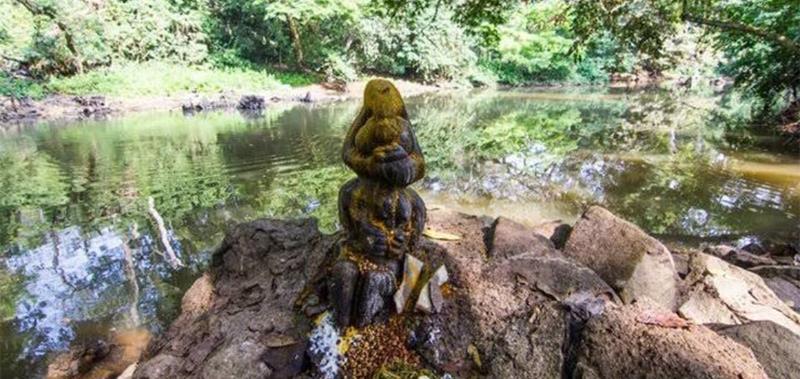
Odo Otin is a local government area in Osun State, Nigeria. It has an area of 294 km² and a population of 134,110 as of the 2006 Nigerian census. The LGA takes its name from the Otin River, which traverses it. The headquarters of the LGA is in the town of Okuku.
Odo Otin is a predominantly agricultural area, with the major crops being cocoa, yam, and cassava. The LGA also has a small mining industry, with the main mineral being limestone. The people of Odo Otin are predominantly Yoruba, with a small minority of Hausa and Fulani. The main language spoken in the LGA is Yoruba. Odo Otin is a relatively poor area, with a high illiteracy rate and a low life expectancy.
The main challenges facing the LGA are poverty, unemployment, and inadequate infrastructure. Here are some additional facts about Odo Otin: The LGA was created in 1996. The major towns in the LGA are Okuku, Inisa, and Ila Orangun. The LGA is home to the Osun State University, OKUKU Campus. The LGA is a popular tourist destination, with attractions such as the Otin River, the Ila Orangun Hill, and the Osun Osogbo Sacred Grove. Odo Otin is a vibrant and diverse community with a rich history and culture. The LGA is home to a hardworking and resilient people who are determined to improve their lives and the lives of their children.
Summary
Odo Otin is a Local Government Area (LGA) in Osun State, Nigeria, covering an area of 294 km² and with a population of 134,110 as of the 2006 census. The LGA is named after the Otin River, which flows through it, with its headquarters located in the town of Okuku. The area is primarily agricultural, with cocoa, yam, and cassava as the main crops, alongside a small mining industry focused on limestone extraction. While predominantly inhabited by the Yoruba, there is a small minority of Hausa and Fulani residents. Yoruba is the main language spoken in the area. Despite its natural resources and agricultural potential, Odo Otin faces significant challenges, including poverty, unemployment, inadequate infrastructure, and a high illiteracy rate. The LGA, created in 1996, includes key towns like Okuku, Inisa, and Ila Orangun. It also hosts the Osun State University, Okuku Campus. Notable attractions include the Otin River, Ila Orangun Hill, and the Osun-Osogbo Sacred Grove, making the area a popular destination for tourists.
Photos
Sponsored Properties
Side Attraction
YOU'LL FALL IN LOVE WITH
The people: The people of Odo Otin are warm, welcoming, and friendly. They are always happy to help visitors and make them feel at home. The culture: Odo Otin has a rich and vibrant culture. There are many festivals and events throughout the year that celebrate the local culture. The food: The food in Odo Otin is delicious. There are many traditional Yoruba dishes to try, as well as more modern options. The scenery: Odo Otin is a beautiful town with lush green hills and valleys. There are also many rivers and waterfalls in the area. The history: Odo Otin has a long and fascinating history. There are many historical sites to visit, including the Odo Otin Palace and the Odo Otin Market.
THE LIFESTYLE
The market of Obo Otin is a large and bustling market that is held every four days. It is a major trading center for the region, and people from all over come to buy and sell goods. The market is divided into a number of sections, each of which specializes in a different type of goods. There are sections for food, clothing, livestock, and other items. The market is a great place to find bargains, and it is also a great place to experience the culture of the region. Here are some of the things you can find at the market: Food: The market is a great place to find fresh produce, meat, and fish. There are also a number of stalls selling cooked food, including egusi soup, fufu, and amala. Clothing: The market is a great place to find traditional Yoruba clothing, as well as more modern styles. There are also a number of stalls selling fabrics, so you can buy your own material and have a tailor make you a custom outfit. Livestock: The market is a great place to buy livestock, including cows, goats, sheep, and chickens. If you are looking for a pet, you may also be able to find dogs, cats, and birds at the market. Other items: The market also sells a variety of other items, including tools, household goods, and souvenirs. You can also find a number of stalls selling traditional Yoruba medicine. The market is a great place to experience the culture of the region. The people are friendly and welcoming, and they are always happy to chat with visitors. You can learn about the local customs and traditions, and you can also sample the local food. The market is a great place to find bargains. The prices are often lower than in other markets, and you can often find good deals on second-hand goods. If you are looking for a specific item, you may be able to find it at the market for a fraction of the price you would pay elsewhere. The market is a great place to spend a day. It is a vibrant and exciting place, and there is always something new to see and do. If you are looking for a unique and memorable experience, be sure to visit the market of Obo Otin.
THE MARKET
The lifestyle in Odo Otin is a simple one. The people are mostly farmers and traders, and they live a quiet and peaceful life. The town is home to a number of historical sites, including the Odo Otin Palace, the Odo Otin Market, and the Odo Otin Shrine. The people of Odo Otin are predominantly Ijesha, who are a Yoruba subgroup. The Ijesha are known for their rich culture and history, and Odo Otin is home to a number of important historical sites, including the Odo Otin Palace, the Odo Otin Market, and the Odo Otin Shrine. The people of Odo Otin are warm and welcoming, and they are always happy to share their culture with visitors. The town is a great place to learn about the Yoruba people and their culture. Here are some of the things that make Odo Otin a great place to live: The people are warm and welcoming. The town is quiet and peaceful. There is a strong sense of community. There are a number of historical sites to visit. The food is delicious. The cost of living is relatively low. If you are looking for a simple and peaceful place to live, Odo Otin is a great option. Here are some of the things that you can do in Odo Otin: Visit the Odo Otin Palace. Explore the Odo Otin Market. Visit the Odo Otin Shrine. Take a walk through the town of Odo Otin. Sample the local food and drink. Learn more about the Yoruba people and their culture at the Odo Otin Museum. Odo Otin is a great place to visit if you are looking for a warm and welcoming place to learn more about the Yoruba people and their culture. Here are some additional facts about Odo Otin: The name Odo Otin is derived from the Yoruba words "Odo" (river) and "Otin" (iron). The Ajero of Odo Otin is the traditional ruler of Odo Otin. Odo Otin is home to a number of important historical sites, including the Odo Otin Palace, the Odo Otin Market, and the Odo Otin Shrine. Odo Otin is a predominantly agricultural area, with the major crops being cocoa, yam, cassava, and maize. There are also some small-scale industries in the area, including food processing, furniture making, and pottery. The people of Odo Otin are predominantly Ijesha, who are a Yoruba subgroup. The Ijesha are known for their rich culture and history. Odo Otin is a beautiful and historic town with a rich culture and history. It is a great place to visit if you are interested in learning more about the Yoruba people and their culture.
WHAT TO EXPECT
Odo Otin offers a captivating blend of natural beauty, rural lifestyle, cultural heritage, and historical sites. Visitors can expect picturesque landscapes, agricultural activities, vibrant local culture, traditional festivals, and a glimpse into the area's historical past. It is an ideal destination for those seeking a serene and immersive experience in a rural Nigerian setting
THE NEIGHBOURS
Odo Otin is a local government area in Osun State, Nigeria, situated in the southwestern part of the country. It shares borders with four neighboring LGAs: Irepodun to the north, Obokun to the east, Oriade to the south, and Ifelodun to the west. These areas are predominantly rural, known for their agricultural activities, hilly terrains, historical and cultural significance, and various towns and villages