Onuimo
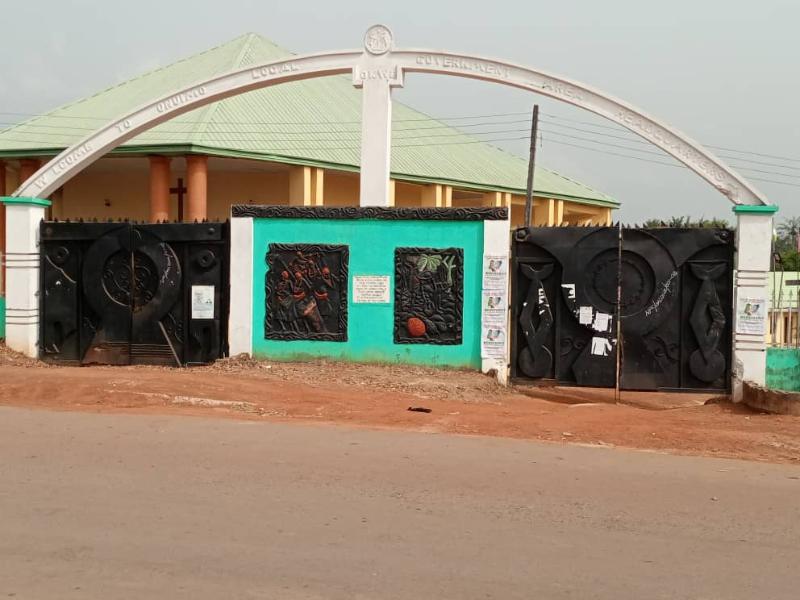
Onuimo is a Local Government Area (LGA) in Imo State, Nigeria, with its administrative headquarters in the town of Okwe. The LGA encompasses four main towns: Okwe, Okwelle, Umuduru-Egbeaguru, and Umuna. Covering an area of approximately 87 square kilometers, Onuimo had a population of 99,247 according to the 2006 census. The postal code for the area is 470.
The region experiences a tropical wet and dry climate, with an average annual temperature of 28.88°C (83.98°F). Elevated at 123.97 meters (406.73 feet) above sea level, Onuimo receives about 234.25 millimeters (9.22 inches) of rainfall annually, with approximately 268.89 wet days per year.
Economically, Onuimo is primarily agrarian, with residents engaged in farming and trading. The Umucheke Market Center serves as a commercial hub for the exchange of goods and services. Additionally, the area is represented politically within the Isiala Mbano/Okigwe/Onuimo constituency.
Culturally, towns like Okwelle are notable within Onuimo. Okwelle comprises eight original villages and hosts the central market known as Ekego, which attracts traders from neighboring towns across southeastern Nigeria.
In recent developments, the community has benefited from political representation, with local lawmakers providing empowerment initiatives and resources to residents.
Overall, Onuimo offers a blend of cultural heritage, economic activity centered around agriculture and trade, and a commitment to community development.
Summary
Onuimo offers a peaceful, rural lifestyle with a strong focus on agriculture and community values. The region is known for its vibrant markets, such as Umucheke Market Center and Okwelle Market, where local produce and traditional crafts are exchanged.
Expect a calm, family-oriented atmosphere where cultural heritage is celebrated through festivals and social gatherings. The community thrives on tradition, respect, and a tight-knit environment, making it a welcoming place for those seeking a serene, culturally rich lifestyle.
Photos
Sponsored Properties
Side Attraction
What You'll Fall Inlove With
You’ll fall in love with Onuimo's rich cultural heritage and the strong sense of community that defines daily life. The warmth of the people, their traditions, and the way of life centered around farming and local crafts create a welcoming atmosphere. The vibrant markets, where fresh produce and unique goods are traded, will captivate you, as well as the peaceful rural surroundings that offer a break from the hustle and bustle. The local festivals and traditions also add a special charm that wil
What To Expect
In Onuimo, you can expect a peaceful, rural lifestyle with a strong focus on agriculture and community ties. The area offers a close-knit, traditional atmosphere, where locals engage in farming and trading as their primary means of livelihood. You will find a vibrant market culture where fresh produce and local goods are traded. Expect to experience cultural heritage through local festivals, community events, and traditional crafts. The region's lush environment and slow-paced life create an ide
The Lifestyle
The lifestyle in Onuimo is centered around agrarian practices, with most residents engaged in farming, trading, and local craftsmanship. The community places a strong emphasis on family, tradition, and social gatherings, with cultural events and religious activities playing a significant role in daily life. Markets serve as focal points for socializing and economic exchange. Residents enjoy a calm, rural environment, where life moves at a slower pace, and the emphasis is on community bonding, re
The Market
Onuimo is home to several important markets, with Umucheke Market Center being a key commercial hub where residents and traders exchange goods and services. The Okwelle Market, also known as Ekego, is another bustling market that attracts traders from neighboring towns in southeastern Nigeria. These markets primarily trade agricultural produce such as yam, cassava, plantain, and palm products, as well as crafts and local goods, supporting the region's agrarian-based economy.
The Neighbors
Onuimo Local Government Area (LGA) is bordered by Isiala Mbano to the north, Okigwe to the east, and Njaba to the west. It shares its southern boundary with Imo State's Orlu and Orsu LGAs, fostering interaction through trade and cultural exchange. The neighboring communities engage in similar agricultural activities and share cultural ties, with some markets, like Umucheke Market Center, serving as commercial hubs for the surrounding areas.