Tofa
Tofa is a town located in Kano State, Nigeria. It is situated in the Dawakin Tofa Local Government Area, which is part of the Kano Central Senatorial District. Tofa is approximately 25 kilometers northwest of Kano, the capital city of Kano State.Tofa is known for its agricultural activities, with farming being a significant occupation in the area. The fertile land in Tofa supports the cultivation of crops such as maize, millet, rice, and vegetables. Livestock rearing, particularly cattle and poultry farming, is also common in the region.In addition to agriculture, Tofa has a local market where residents and neighboring communities can buy and sell goods. The market is an essential economic hub for the area and contributes to the local economy.Tofa, like other parts of Kano State, has a predominantly Hausa-speaking population. The people of Tofa embrace their cultural heritage and traditional values, including customs, dress, and social practices.While Tofa may not be a major tourist destination, it offers a glimpse into the rural life and traditions of Kano State. Visitors to Tofa can experience the warmth of the local community, explore the local market, and learn about the agricultural activities that sustain the area.
Summary
Tofa is a town located in the Dawakin Tofa Local Government Area of Kano State, Nigeria, situated about 25 kilometers northwest of Kano city. The area is known for its agricultural significance, with fertile land supporting the cultivation of crops like maize, millet, rice, and vegetables. Livestock rearing, particularly cattle and poultry farming, is also common in the region. Tofa features a local market that serves as an essential economic hub for residents and neighboring communities. The town has a predominantly Hausa-speaking population, and the people uphold their rich cultural heritage through traditional customs, dress, and social practices. While Tofa is not a major tourist destination, it offers a chance to experience rural life, explore the local market, and learn about the agricultural activities that sustain the community.
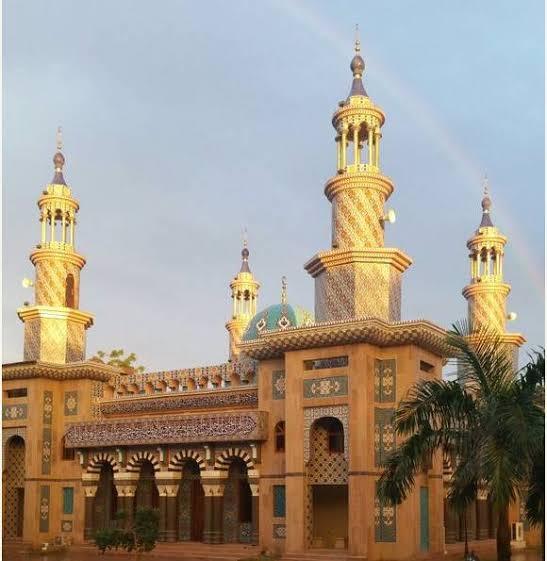
Photos
Sponsored Properties
Side Attraction
YOU'LL FALL IN LOVE WITH
People often develop a love for various aspects of different places or experiences. Some common things people love include natural beauty, rich culture and history, culinary delights, warm hospitality, adventure and exploration, art and creativity, and personal connections. These elements can contribute to a fulfilling and memorable experience, but individual preferences may vary.
THE MARKET
The market in Tofa serves as a vital economic and social hub for the town and its surrounding communities. While I don't have specific information about the market in Tofa, here is some general information about markets in Nigeria that may apply: 1. Importance: Markets are an integral part of the local economy, serving as a central place for buying and selling goods and services. They provide opportunities for both rural and urban communities to trade, exchange goods, and engage in economic activities. 2. Variety of Products: Nigerian markets typically offer a wide range of products, including fresh produce, grains, livestock, clothing, household items, crafts, and more. The availability of goods in the market can vary depending on the specific market and the needs and preferences of the local population. 3. Vibrant Atmosphere: Markets in Nigeria are often bustling with activity and have a vibrant atmosphere. People gather at the market to buy and sell goods, negotiate prices, and engage in lively conversations. The market can be crowded, especially during peak hours and market days. 4. Local Vendors: Markets are primarily populated by local vendors, including farmers, traders, artisans, and small business owners. Many vendors specialize in specific products or services, contributing to the diversity of goods available in the market. Some vendors may have been operating in the market for generations, adding to its unique character. 5. Bargaining: Bargaining is a common practice in Nigerian markets. It is expected that buyers negotiate prices with vendors to reach a mutually agreed-upon price. Bargaining can be seen as a friendly and interactive process, adding to the overall market experience. 6. Social Interaction: Markets serve as social gathering places, fostering community interactions and connections. People from different backgrounds and communities come together, creating a sense of camaraderie and unity. Markets provide opportunities for socializing, exchanging news, and strengthening social bonds. 7. Market Days: Many markets in Nigeria have specific market days, which are designated days of the week when the market is particularly active. On these days, vendors and customers from the surrounding areas gather for increased trading activities.
THE LIFESTYLE
The lifestyle in Tofa, being a rural town in Kano State, Nigeria, is influenced by factors such as the predominantly agrarian economy, traditional culture, and the close-knit community. Here are some aspects that may reflect the lifestyle in Tofa: 1. Agriculture and Farming: Tofa's economy is primarily based on agriculture. Farming activities, including crop cultivation and livestock rearing, play a significant role in the daily lives of the residents. Many families are involved in farming as their main source of income, with crops such as maize, millet, rice, and vegetables being commonly grown. 2. Traditional Values and Culture: Tofa, like other parts of Kano State, has a rich cultural heritage influenced by the Hausa ethnic group. Traditional values, customs, and social practices are important aspects of the lifestyle. Respect for elders, strong family ties, and communal harmony are commonly observed. 3. Community Engagement: The community spirit and close-knit nature of Tofa's residents foster a sense of belonging and interconnectedness. Community events, social gatherings, and communal efforts for activities like farming or celebrations are common. People often come together to support and assist one another. 4. Simple and Relaxed Pace of Life: Tofa's rural setting is characterized by a relatively simpler and more relaxed pace of life compared to urban areas. The lifestyle is generally less hectic, allowing for more time to engage in family and community activities. People often enjoy spending time outdoors, participating in traditional pastimes, or enjoying the natural surroundings. 5. Traditional Attire and Dress: In Tofa, as in other parts of Kano State, traditional attire is still prevalent. Both men and women may be seen wearing traditional Hausa clothing, such as flowing gowns for men (known as "babban riga" or "agbada") and colorful wrappers for women (known as "hijab" or "abaya"). Traditional attire is often worn during cultural celebrations and religious events. 6. Islamic Influence: Islam is the predominant religion in Tofa and Kano State, influencing the lifestyle of the residents. Islamic practices, including daily prayers, Friday congregational prayers at the mosque, and observance of religious festivals, are significant aspects of community life. 7. Limited Infrastructure: As a rural town, Tofa may have limited infrastructure compared to urban areas. Access to amenities such as electricity, water supply, healthcare facilities, and transp
WHAT TO EXPECT
If you are planning to visit or have any dealings in Tofa, here are some things you might expect: 1. Rural Setting: Tofa is a town located in a rural area of Kano State, Nigeria. Expect a quieter and more relaxed environment compared to urban centers. The surroundings are likely to be characterized by farmlands, open spaces, and a closer connection to nature. 2. Agricultural Activities: Tofa is known for its agricultural activities. You can expect to see farmers cultivating crops such as maize, millet, rice, and vegetables. Livestock rearing, including cattle and poultry farming, is also common in the area. Agriculture plays a significant role in the local economy and daily life. 3. Traditional Culture: Tofa, like many other parts of Kano State, has a rich cultural heritage. You can expect to experience the local traditions, customs, and way of life. The people of Tofa predominantly belong to the Hausa ethnic group, and you may have the opportunity to witness traditional attire, language, music, and dance. 4. Warm Hospitality: Nigerian culture is known for its warm hospitality, and this extends to Tofa as well. Expect friendly and welcoming locals who may be eager to share their customs and traditions with you. You might have the chance to engage in conversations, taste local cuisine, and experience the warmth of the community. 5. Local Market: Tofa likely has a local market where residents and neighboring communities gather for buying and selling goods. Expect a bustling atmosphere with various vendors selling fresh produce, household items, and other goods. Exploring the market can be a vibrant and lively experience. 6. Limited Infrastructure: As a rural area, Tofa may have limited infrastructure compared to urban centers. Basic amenities such as electricity, water supply, and transportation services may not be as readily available or as reliable. It's advisable to be prepared for potential challenges in this regard. 7. Natural Beauty: Tofa's rural setting may offer opportunities to appreciate natural beauty. The surrounding farmlands, scenic landscapes, and open spaces can be visually appealing. You might also have the chance to witness stunning sunrises or sunsets, particularly in the countryside.
THE NEIGHBOURS
Tofa, being located in the Dawakin Tofa Local Government Area of Kano State, Nigeria, shares borders with several other towns and local government areas. While I don't have access to the most up-to-date information, based on the available data up until September 2021, here are some of the neighboring areas: 1. Kano: Tofa is located approximately 25 kilometers northwest of Kano, the capital city of Kano State. Kano is a major urban center and the most populous city in northern Nigeria. 2. Dawakin Kudu: Dawakin Kudu is situated to the northeast of Tofa. It is a local government area in Kano State and is known for its agricultural activities and educational institutions. 3. Gabasawa: Gabasawa is located to the northwest of Tofa. It is another local government area in Kano State and is known for its rural communities and agricultural practices. 4. Rimin Gado: Rimin Gado is situated to the southwest of Tofa. It is a local government area in Kano State and is known for its agricultural activities, including the cultivation of crops and livestock rearing. 5. Kura: Kura is located to the west of Tofa. It is a local government area in Kano State and is known for its rural communities and agricultural practices. These are some of the neighboring areas around Tofa based on the available information. However, it's important to note that there may be additional towns or local government areas that border Tofa that are not mentioned in this list. For the most accurate and up-to-date information, it's recommended to refer to updated sources or official maps.