Wudil
Wudil is a town located in Kano State, Nigeria. It is the headquarters of the Wudil Local Government Area and is situated in the northern part of the country. The town is primarily inhabited by the Hausa ethnic group, which is the dominant ethnic group in northern Nigeria.Wudil is known for its rich cultural heritage and historical significance. It is home to several traditional festivals and events that showcase the customs, traditions, and folklore of the Hausa people. These festivals attract both locals and tourists who are interested in experiencing the unique cultural offerings of the region.Economically, Wudil is predominantly an agrarian community, with farming being the primary occupation of the residents. The fertile soil in the area supports the cultivation of crops such as millet, maize, sorghum, and vegetables. Livestock farming, including cattle, sheep, and goats, is also prevalent.In recent years, Wudil has witnessed some development in terms of infrastructure and education. The town is home to Wudil Federal College of Education, a higher education institution that offers degree programs in various fields. The college has contributed to the educational advancement of the town and its surrounding communities.Overall, Wudil is a town in northern Nigeria with a rich cultural heritage and an economy primarily based on agriculture. It continues to evolve and grow, contributing to the social and economic development of the region.
Summary
Wudil is a town in Kano State, Nigeria, serving as the headquarters of the Wudil Local Government Area. The town is predominantly inhabited by the Hausa ethnic group and is known for its rich cultural heritage, with traditional festivals and events showcasing Hausa customs and folklore. Wudil’s economy is mainly agrarian, with the cultivation of crops like millet, maize, sorghum, and vegetables, alongside livestock farming. The town is also home to Wudil Federal College of Education, contributing to educational development.
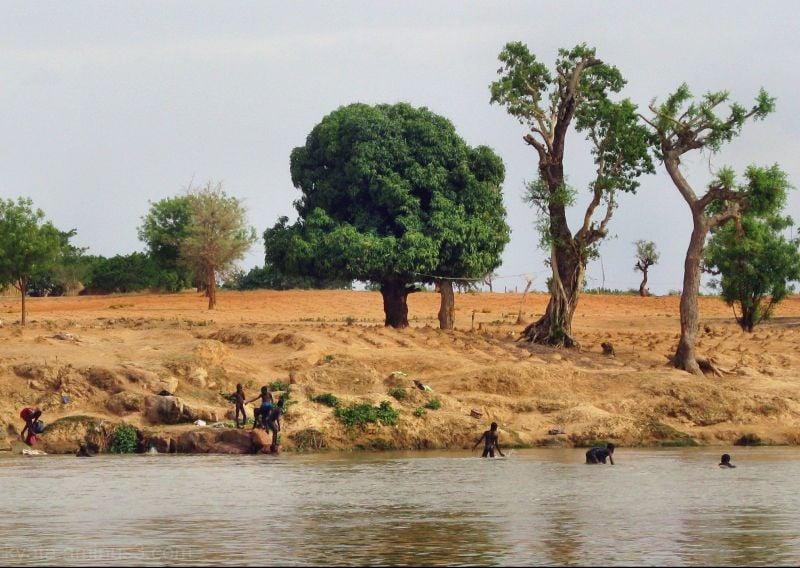
Photos
Sponsored Properties
Side Attraction
YOU'LL FALL IN LOVE WITH
Wudil and its neighboring areas offer a rich cultural heritage, warm hospitality, and a vibrant market scene. The lifestyle is influenced by traditional values, Islamic practices, and an agricultural-based economy. The market provides a variety of goods, including fresh produce, traditional crafts, and local cuisine. It serves as an economic hub and a social gathering place. Visitors can expect a blend of traditional and modern influences, with a strong sense of community and opportunities to immerse themselves in the local culture.
YOU'LL FALL IN LOVE WITH
The market in Wudil and its neighboring areas is an essential hub of economic activity and a vibrant social gathering place. Here's what you can expect when visiting the local market: 1. Variety of Goods: The market offers a wide range of goods, including fresh produce, grains, spices, clothing, household items, handicrafts, and more. You can find locally grown fruits and vegetables, such as tomatoes, peppers, onions, melons, and leafy greens. Grains like millet, maize, and rice are also commonly available. 2. Traditional Crafts: Local markets are a great place to find traditional crafts and artisanal products. You can discover beautifully woven textiles, hand-carved wooden crafts, pottery, leather goods, and traditional musical instruments. These crafts are often made by skilled artisans from the region and reflect the cultural heritage and craftsmanship of the area. 3. Food and Street Vendors: The market is usually bustling with food and street vendors offering a variety of delicious local snacks and meals. You can try popular street foods like suya (spiced grilled meat), masa (rice pancakes), kuli-kuli (groundnut snacks), and more. These vendors provide an opportunity to taste the flavors of the region's cuisine. 4. Livestock Section: Many markets in the region have a dedicated section for livestock trading. You can expect to see cattle, goats, sheep, and other animals being bought and sold. This section is lively and can be an interesting experience to observe the trade and interaction between buyers and sellers. 5. Bargaining and Negotiation: Bargaining is a common practice in the market. Sellers often set their prices higher initially, expecting customers to negotiate for a lower price. Engaging in friendly negotiation can be a part of the shopping experience and an opportunity to interact with the locals. 6. Cultural Experience: The market is not just a place for commerce; it is also a social and cultural gathering spot. You can witness the hustle and bustle of daily life, observe traditional clothing styles, and experience the vibrant atmosphere of the local community interacting with one another. 7. Economic Hub: The market plays a crucial role in the local economy, providing livelihoods for traders and contributing to the circulation of goods and services. It serves as a meeting point for buyers and sellers from different communities, fostering economic exchange and regional trade. When visiting the market, it's recommended to carry small denomin
THE LIFESTYLE
The lifestyle in Wudil and its neighboring areas is influenced by a mix of traditional customs, religious beliefs, and contemporary influences. Here are some aspects of the lifestyle you can expect: 1. Traditional Values: The people in Wudil and the surrounding areas often hold strong traditional values. Respect for elders, hospitality, and communal living are important aspects of the lifestyle. Family and community ties are highly valued, and social interactions often revolve around gatherings, celebrations, and shared responsibilities. 2. Religion: Islam is the predominant religion in the region, and it plays a significant role in shaping the lifestyle and daily routines of the residents. Mosques are central to the community, and you can expect to see Muslims engaging in daily prayers, observing religious festivals, and incorporating Islamic principles into their daily lives. 3. Agriculture-Based Economy: The lifestyle in these areas is closely connected to agriculture. Many residents are involved in farming, cultivating crops, and rearing livestock. The agricultural calendar often dictates the rhythm of life, with planting, harvesting, and other agricultural activities being significant events. 4. Traditional Dress: Traditional attire is commonly worn, especially during cultural events and religious occasions. For men, this often includes flowing robes called babban riga or the more casual kaftan, along with a cap known as a fila. Women typically wear colorful wrappers called wrappers or gowns known as boubous, often paired with a headscarf or hijab. 5. Socializing and Community Life: Socializing is an integral part of the lifestyle in Wudil and its neighboring areas. Community gatherings, weddings, naming ceremonies, and religious events provide opportunities for people to come together, share meals, engage in lively conversations, and celebrate important milestones. 6. Traditional Arts and Crafts: The region has a rich tradition of arts and crafts. Skilled artisans create intricate pottery, handwoven fabrics, leatherwork, wood carvings, and traditional musical instruments. These crafts are not only an expression of creativity but also serve practical purposes and carry cultural significance. 7. Modern Influences: While traditional values remain strong, modern influences are gradually shaping the lifestyle in these areas. Access to technology, improved infrastructure, and education have brought changes in communication, transportation, and livelihoods.
YOU'LL FALL IN LOVE WITH
When visiting or exploring Wudil and its neighboring areas, there are several things you can expect: 1. Rich Cultural Heritage: Wudil and the surrounding towns have a strong cultural heritage, predominantly influenced by the Hausa ethnic group. Expect to encounter vibrant traditional festivals, music, dance, and art forms that showcase the local customs and traditions. 2. Warm Hospitality: The people of Wudil and its neighboring areas are known for their hospitality and friendliness. You can expect a warm welcome and a hospitable environment during your interactions with the locals. 3. Agricultural Activities: The region is primarily agrarian, so expect to see vast farmlands and agricultural activities. You may witness farmers cultivating crops such as millet, maize, sorghum, rice, and vegetables. Livestock farming, including cattle, sheep, and goats, is also common. 4. Local Markets: The towns in and around Wudil have bustling local markets where you can experience the vibrant atmosphere of trading and commerce. These markets offer a variety of goods, including fresh produce, spices, textiles, handicrafts, and more. 5. Historical Sites: In addition to the cultural heritage, the region is home to historical sites that reflect the rich history of the area. Examples include Gidan Dan Hausa in Bichi, which is a traditional palace-turned-museum, and other historical landmarks that provide insights into the local history and architecture. 6. Natural Beauty: The landscapes around Wudil and its neighboring areas often boast natural beauty, with scenic views, rivers, and greenery. Expect to find picturesque surroundings that are perfect for nature walks, photography, and relaxation. 7. Local Cuisine: Don't miss the opportunity to indulge in the local cuisine. Hausa cuisine is known for its flavorsome dishes, including tuwo shinkafa (a rice-based dish), miyan kuka (baobab leaf soup), kilishi (dried spiced meat), and various delicious street food options. 8. Traditional Crafts: The region is known for its traditional craftsmanship. You can expect to find artisans creating intricate pottery, weaving colorful fabrics, crafting leather goods, and producing traditional musical instruments. Exploring local craft markets can be a fascinating experience. Remember to respect local customs and traditions, dress modestly, and interact respectfully with the local community. Engaging in cultural activities, trying local food, and immersing yourself in the unique atmosphere will
THE NEIGHBOURS
Wudil is surrounded by several towns and cities in Kano State, Nigeria. Here are some of its neighboring areas: 1. Kano: Kano is the capital city of Kano State and is located approximately 30 kilometers northeast of Wudil. It is the second-largest city in Nigeria and a major commercial and industrial hub in the country. 2. Dawakin Tofa: Dawakin Tofa is a local government area in Kano State situated to the west of Wudil. It is known for its agricultural activities, particularly the cultivation of crops such as rice, maize, and groundnuts. 3. Bichi: Bichi is another local government area in Kano State located to the northwest of Wudil. It is known for its historical significance and is home to the famous Gidan Dan Hausa, a traditional palace-turned-museum that showcases the rich history and culture of the Hausa people. 4. Bagwai: Bagwai is a local government area in Kano State situated to the north of Wudil. The area is predominantly rural, with agriculture being the mainstay of the local economy. 5. Gabasawa: Gabasawa is a local government area in Kano State located to the east of Wudil. It is known for its scenic landscapes and is primarily an agricultural area, with farming activities playing a significant role in the local economy. These are just a few examples of the neighboring areas around Wudil in Kano State. Each of these areas has its own unique characteristics, cultural heritage, and economic activities that contribute to the overall diversity and development of the region.