Abia
Abia State is home to various ethnic groups, with the dominant ones being the Igbo people. The major languages spoken in the state are Igbo and English. The Igbo culture is richly expressed in various aspects of life, including art, music, dance, and traditional festivals.
Abia State has a diverse economy. The city of Aba is known as a major commercial and industrial hub in Nigeria. It is renowned for its vibrant small-scale and informal manufacturing industries, including textiles, garments, shoes, leatherworks, and metal fabrication. Aba is often referred to as the “Japan of Africa” due to its industrial activities. Agriculture is also significant in the state, with crops such as oil palm, cocoa, yam, rice, and cassava being cultivated.
Abia State has several higher educational institutions, including the Abia State University in Uturu, which is the state’s premier university. There are also other institutions like the Michael Okpara University of Agriculture in Umudike and the Abia State Polytechnic in Aba.
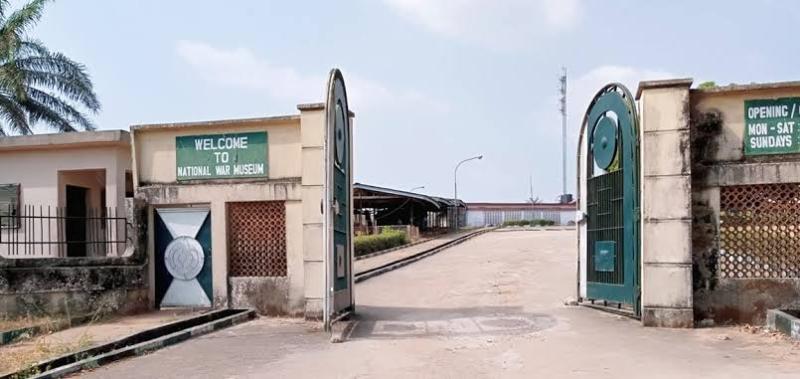
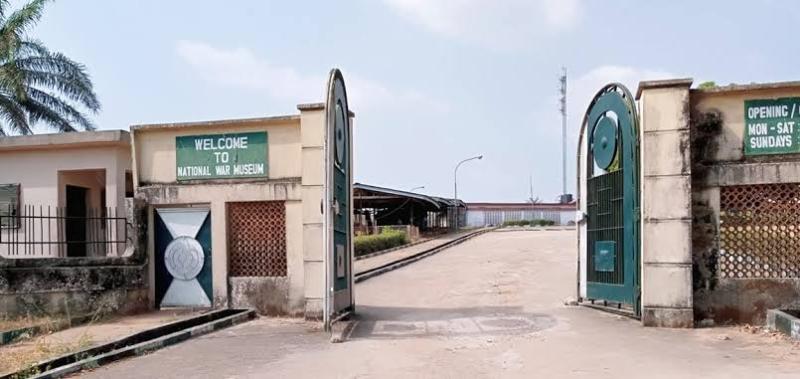
The state has a few notable tourist attractions. The National War Museum in Umuahia showcases artifacts and history from the Nigerian Civil War. Other attractions include the Azumini Blue River, Arochukwu Long Juju Slave Route, Ogbunike Caves, and the Umuagbai-Nigeria Naval War Memorial, among others.
Axis

Active Listings in Abia

Serviced 4 Bedroom Detached Townhouse With Bq
Valley View Layout Afara, Umuahia North Abia
 4 Beds
 4 Baths
 5 Toilets
₦ 150,000,000
View this listing
Real Estate Agents
Real Estate Agents
Real Estate Agents
Summary
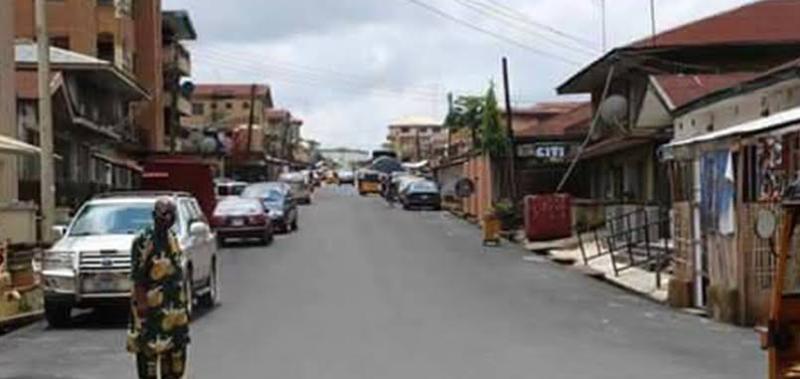
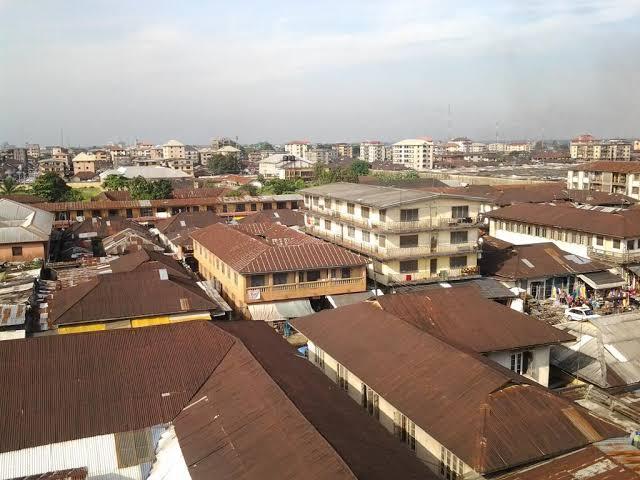
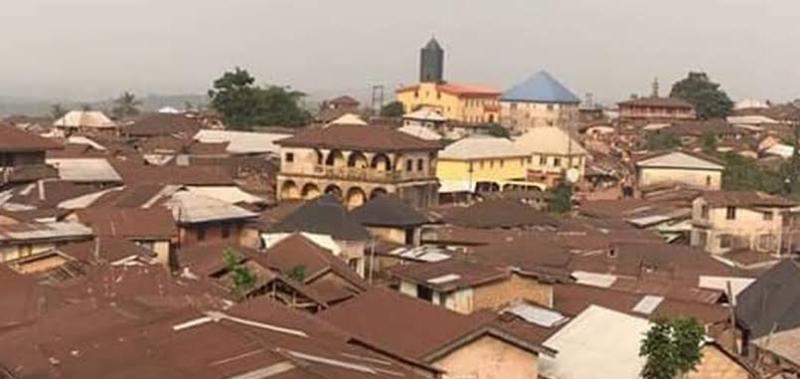
Abia State is located in the southeastern part of Nigeria. It was created on August 27, 1991, from part of the former Imo State during the military regime of General Ibrahim Babangida. The state’s capital is Umuahia, while its largest city is Aba, known for its industrial and commercial activities. Abia State is bordered by Imo State to the west, Enugu State to the east, Rivers State to the south, and Ebonyi State to the north. The state is predominantly characterized by lowland plains, except for the northwestern part, which has hills and highlands.
Photos
Sponsored Properties
Side Attraction
What You'll Fall Inlove With
You'll fall in love with Abia State’s rich cultural heritage, entrepreneurial spirit, and warm hospitality. The bustling markets of Aba, known for their locally crafted goods, offer a unique shopping experience. The state's natural beauty, including scenic landscapes and rivers, provides a refreshing escape. Traditional Igbo festivals, music, and dance bring vibrant energy to daily life. The delicious cuisine, featuring delicacies like Oha soup and Ukazi soup, adds to the charm. Whether it's the industrious nature of the people or the deep-rooted traditions, Abia State has a captivating essence that leaves a lasting impression.
What To Expect
In Abia State, you can expect a vibrant mix of commerce, culture, and hospitality. The state is known for its entrepreneurial spirit, with Aba serving as Nigeria’s hub for locally made goods, especially textiles, shoes, and leather products. The people are warm and welcoming, with a strong sense of community and tradition. Infrastructure varies, with bustling urban areas like Aba and Umuahia contrasting with quieter rural towns. Expect a rich culinary scene featuring traditional Igbo delicacies such as Abacha, Oha soup, and Ukazi soup. The state also has a growing industrial sector, making it a dynamic place for business and investment.
The Market
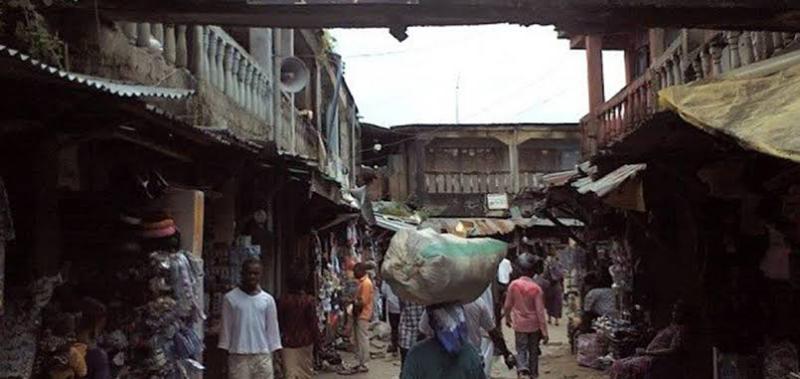
The market scene in Abia State is dominated by Aba, home to one of the largest commercial hubs in Nigeria—Ariaria International Market. Known for its locally made goods, including textiles, shoes, and leather products, the market attracts traders from across West Africa. Other notable markets include Umuahia Main Market, where agricultural produce and household goods are traded, and Good Morning Market in Aba, which specializes in wholesale food items. These markets serve as economic lifelines, offering a wide variety of goods while reflecting the entrepreneurial spirit of the people.
The Lifestyle
The lifestyle in Abia State is a blend of tradition, commerce, and modernity. As a commercial hub, particularly in Aba, the state is known for its vibrant entrepreneurial spirit, with industries ranging from textile production to manufacturing. The people are hardworking, resourceful, and deeply connected to trade and craftsmanship, making the state a center for locally made goods and innovations. Social life in Abia revolves around community gatherings, cultural festivals, and a strong sense of kinship. Traditional Igbo customs influence daily life, from food to fashion and celebrations. The cuisine features delicacies like Abacha (African salad), Ukazi soup, and well-prepared rice dishes. Despite its bustling markets and business-driven environment, Abia also offers a peaceful rural setting, with serene villages, historic sites, and eco-tourism spots that provide a contrast to the busy city life. The combination of commerce, culture, and community makes Abia State a unique and dynamic place to live.
THE NEIGHBOURS
The people of Abia State are predominantly of Igbo descent, with the Igbo being the major ethnic group in the state. The Igbo people have a rich cultural heritage and are known for their entrepreneurial spirit, industriousness, and strong sense of community. Traditionally, the Igbo society is organized around extended family units and lineage systems. They have a diverse range of cultural practices, including masquerade festivals, traditional dances such as the Ekpe and Mmanwu, and art forms like wood carving, pottery, and weaving.