Akwa Ibom
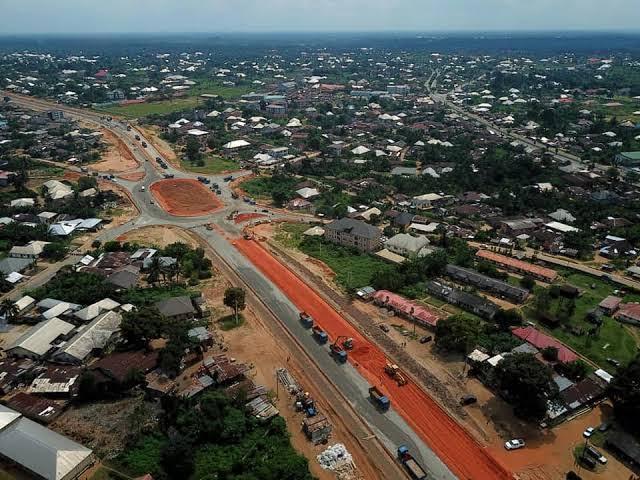
Akwa Ibom State is a state located in the southern part of Nigeria. It is one of the 36 states in the country and was created on September 23, 1987. The state is named after the Qua Iboe River, which forms one of its boundaries. Akwa Ibom State is known for its rich oil reserves, agricultural resources, and tourist attractions.
Akwa Ibom State is divided into 31 local government areas (LGAs), each with its own local government administrationLying between Latitudes 4o 32” and 5o 33” North and Longitudes 7o 35” and 8o 25” East, the State is bounded on the East by Rivers State, on the West by Cross River State, on the North by Abia State and on the South by the Gulf of Guinea.
Akwa Ibom State currently covers a total land area of 7,249 square kilometers. The area does not take into consideration disputed territories. It is the 10th largest state in Nigeria in terms of landmass. About 13.4 percent of the 960km of Nigeria’s Atlantic Ocean coastline runs through the State.
Axis


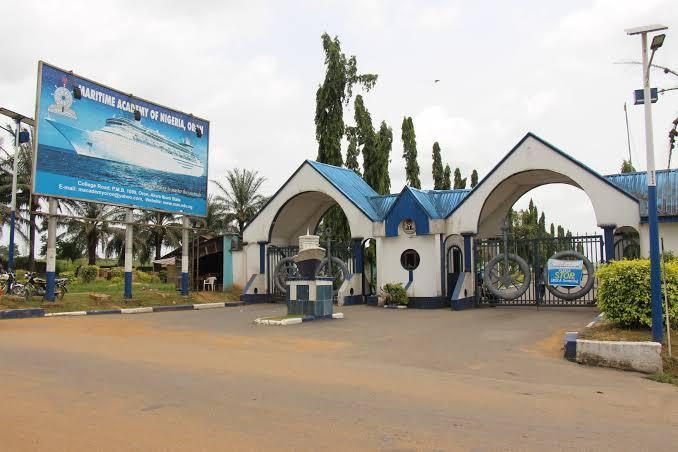
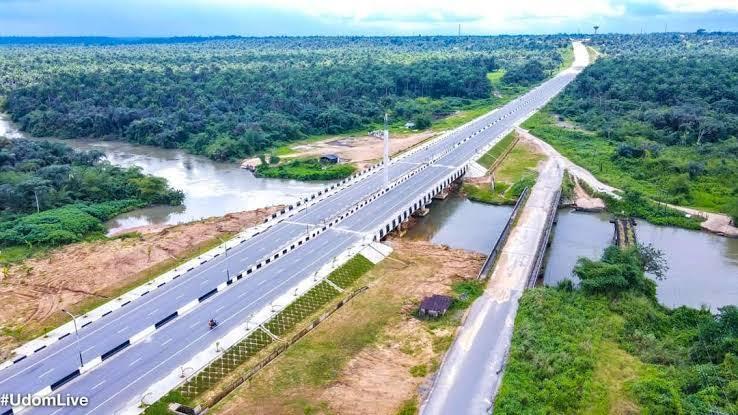

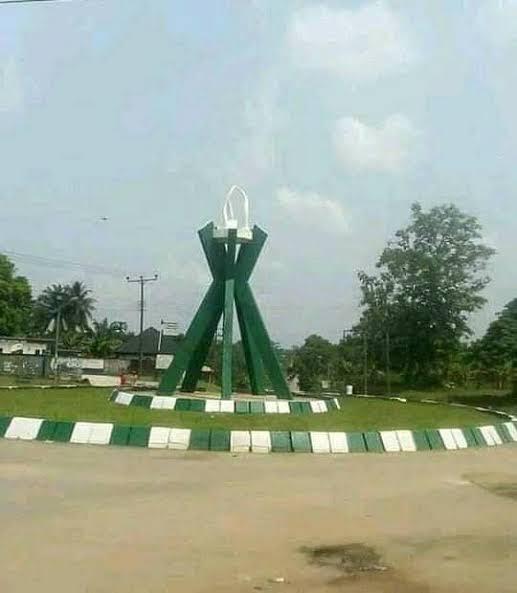

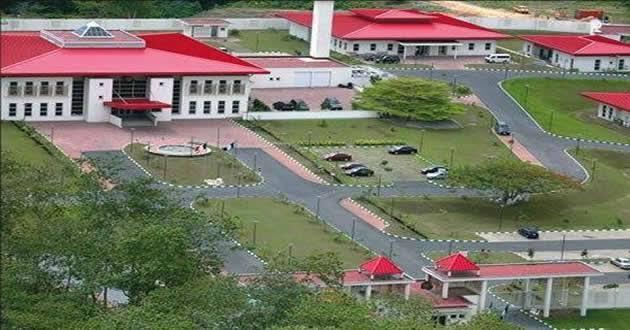
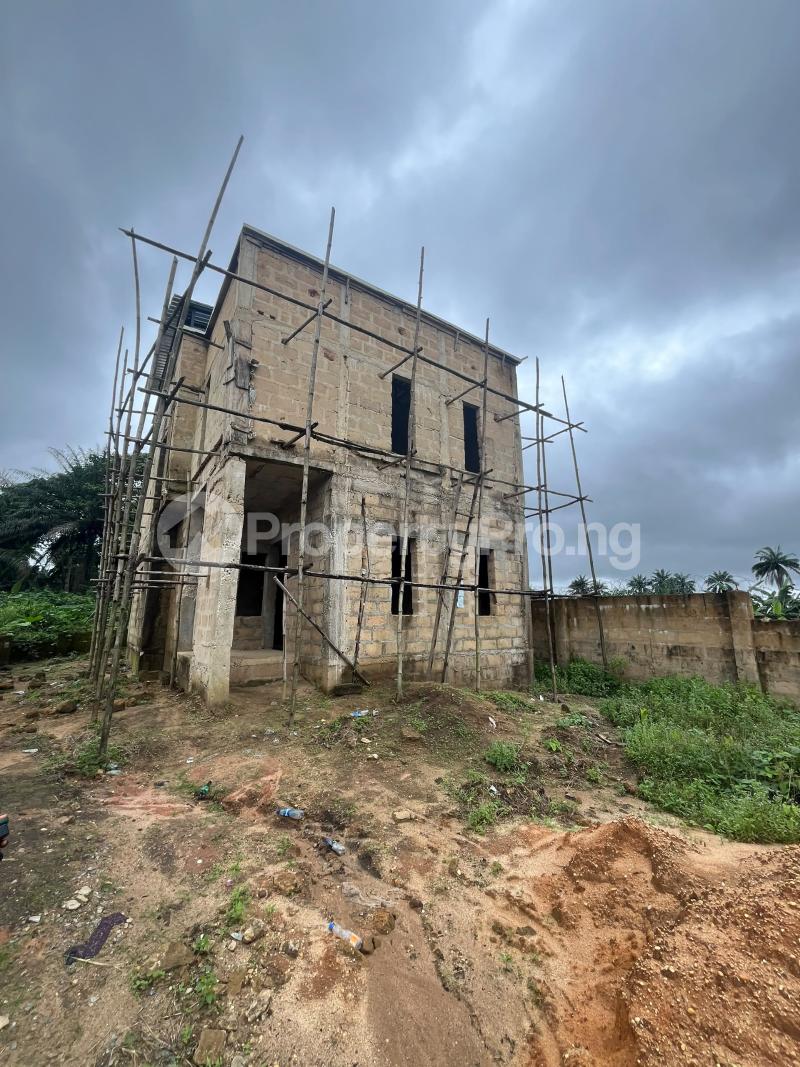
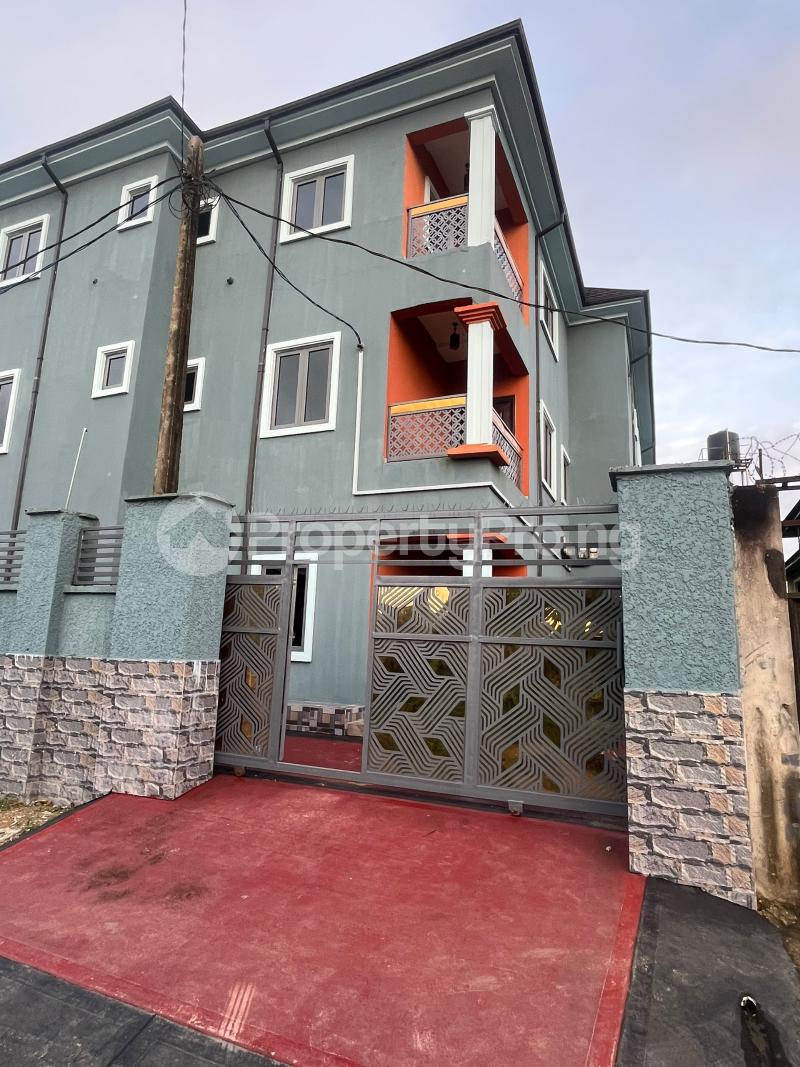
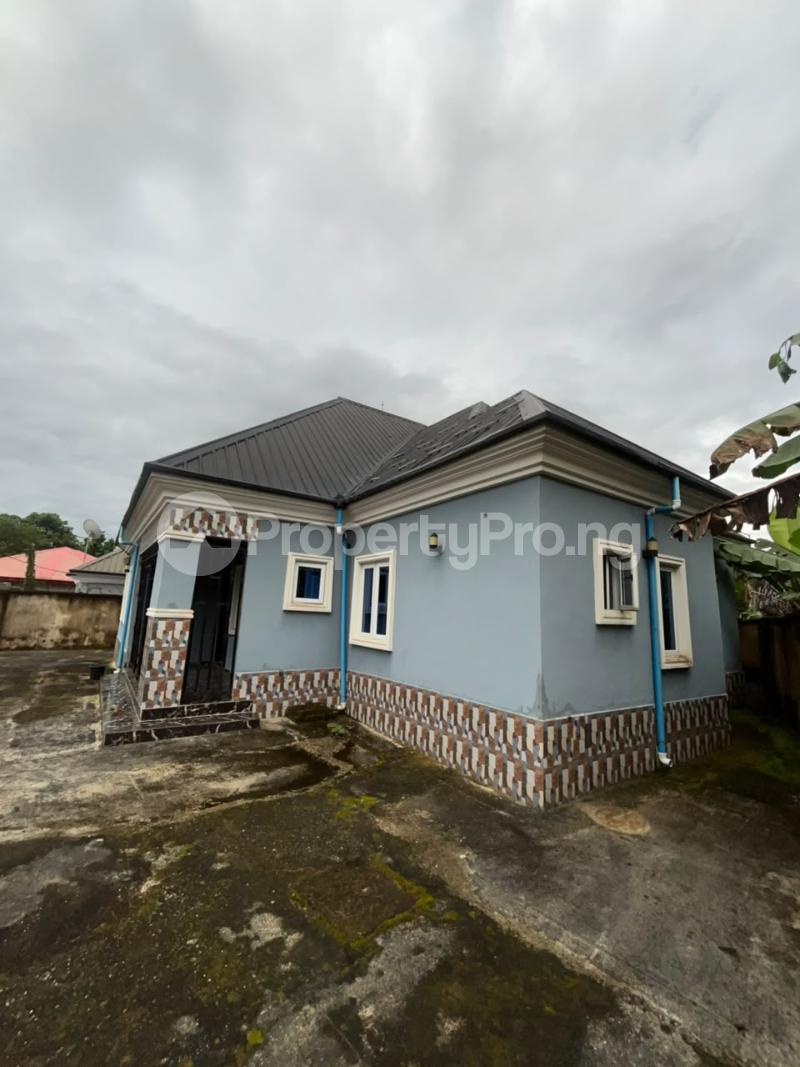
Active Listings in Akwa Ibom

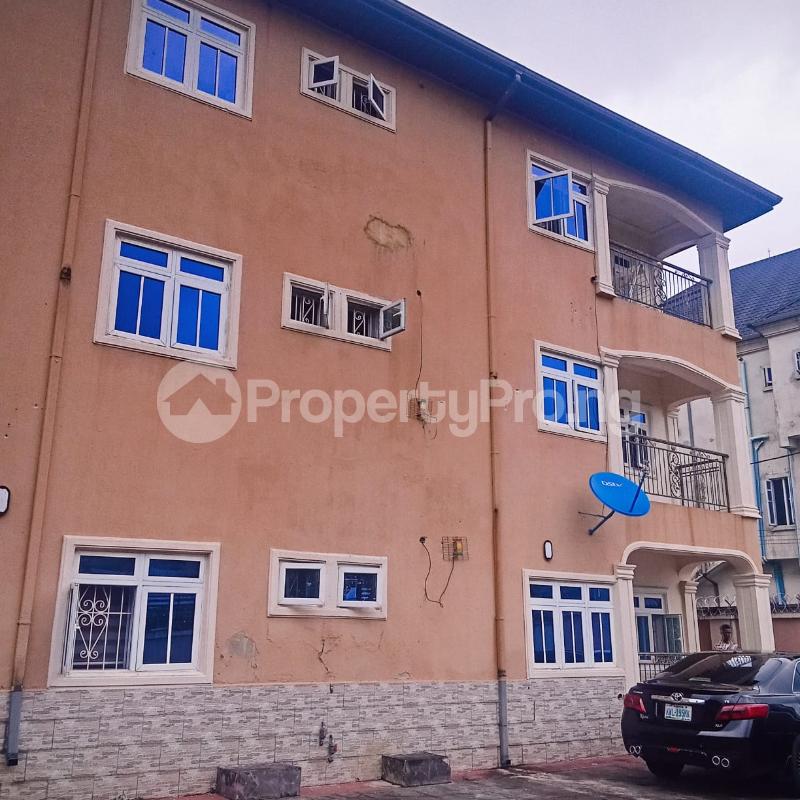
 3 Beds
 4 Baths
 4 Toilets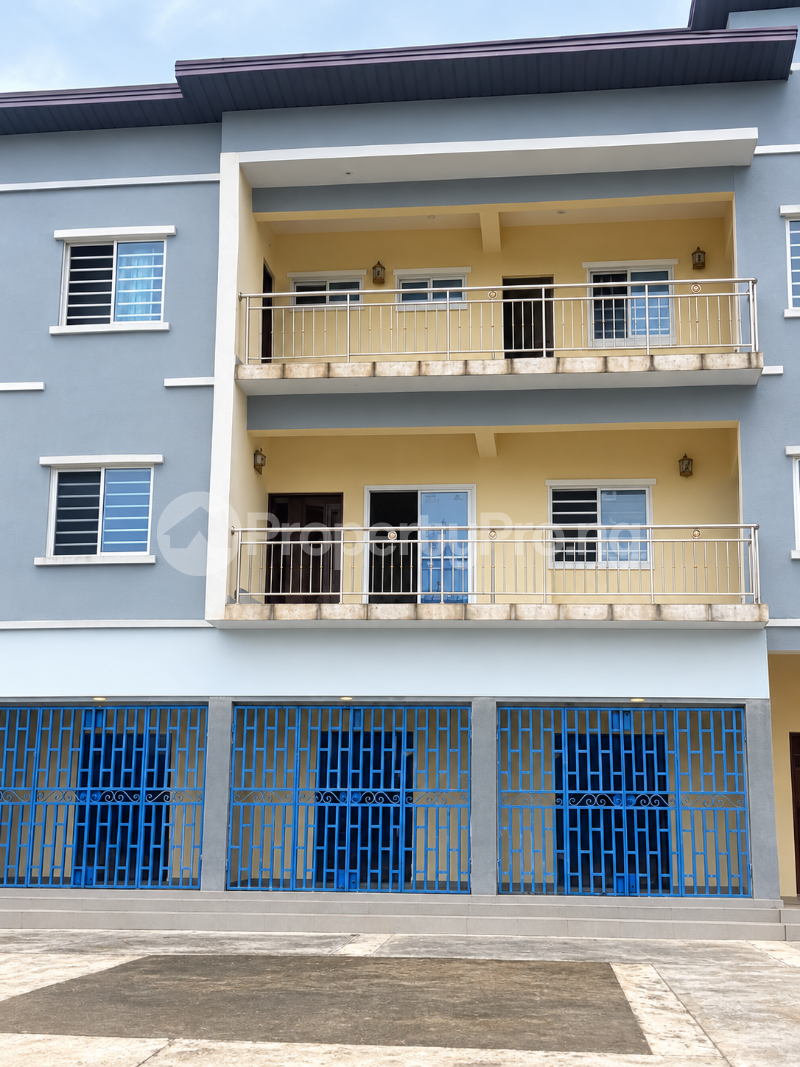
Summary
Akwa Ibom is a coastal state in southern Nigeria known for its rich oil reserves, beautiful landscapes, and vibrant culture. The lifestyle is a mix of modern city living and deep-rooted traditions, with a strong emphasis on hospitality and community. Expect a warm and humid climate, delicious seafood, and a thriving entertainment scene.
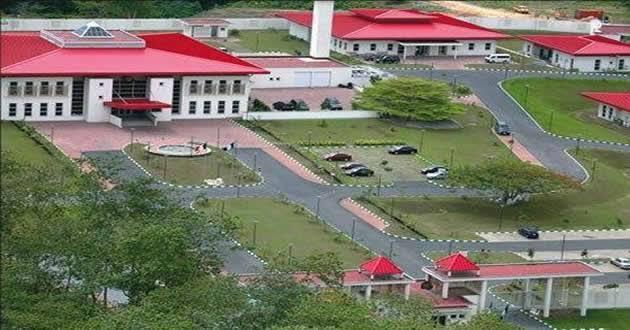
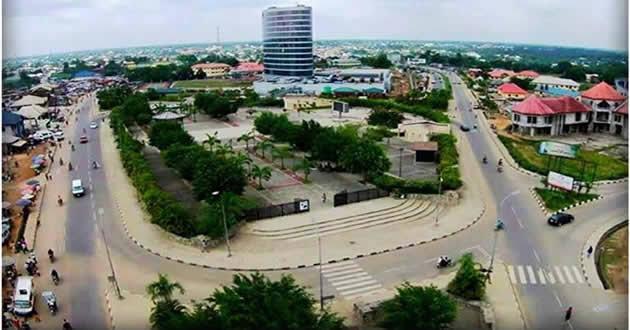
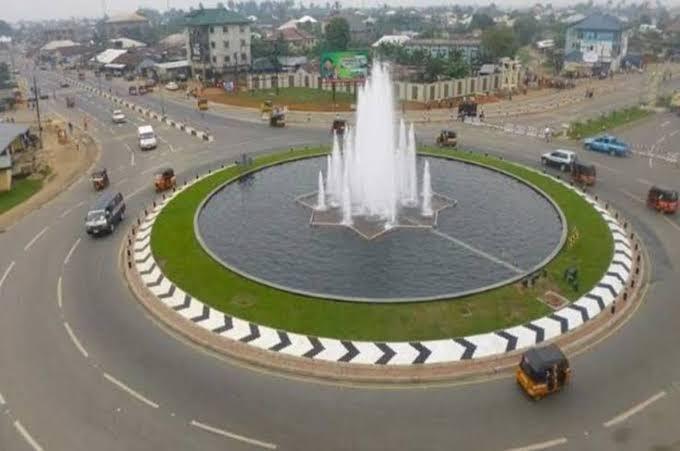
The markets, such as Itam Market and Akpan Andem Market, offer fresh produce, seafood, and locally made crafts. What you’ll fall in love with is the state's stunning beaches, cultural festivals, and the famous Ibom Plaza in Uyo. Akwa Ibom shares borders with Cross River, Rivers, and Abia states, making it a key hub for trade and tourism.
Photos
Sponsored Properties
Side Attraction
What You'll Fall Inlove With
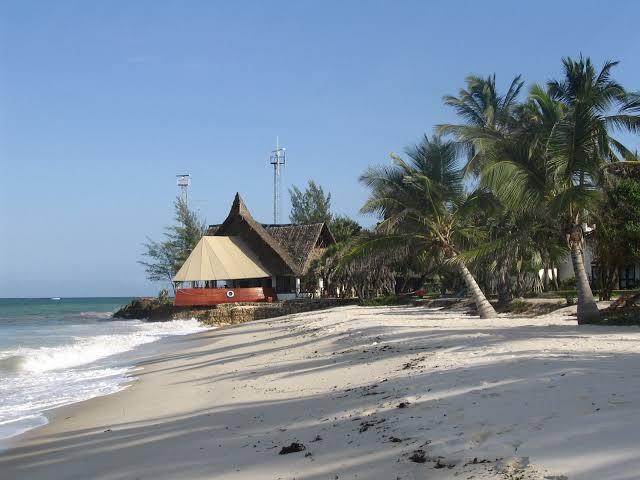
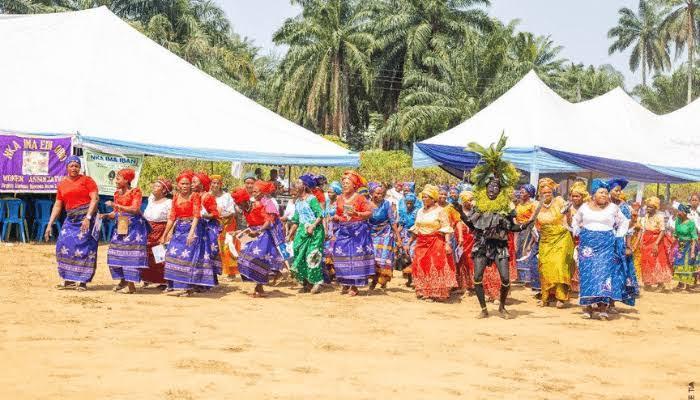
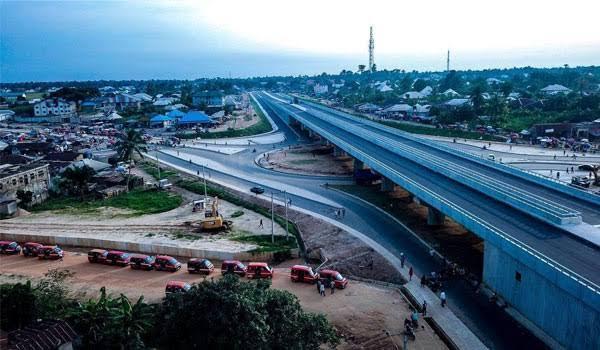
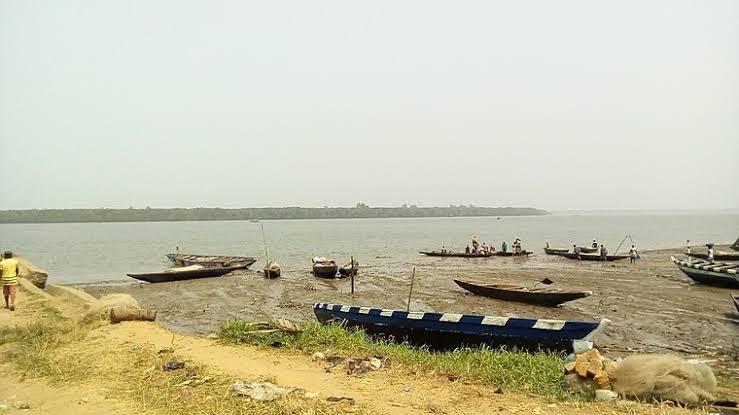
In Akwa Ibom, you'll fall in love with its beautiful coastline, featuring pristine beaches and resorts along the Atlantic Ocean, perfect for relaxation and exploration. The state's rich cultural heritage, highlighted by vibrant festivals, dances, and traditions, offers a unique and immersive experience. The warm hospitality of the people, alongside the diverse local cuisine, adds to the appeal. You’ll also be captivated by the modernity of Uyo, with its growing infrastructure, and the lush, fertile landscapes that contribute to its agricultural abundance.
The Market
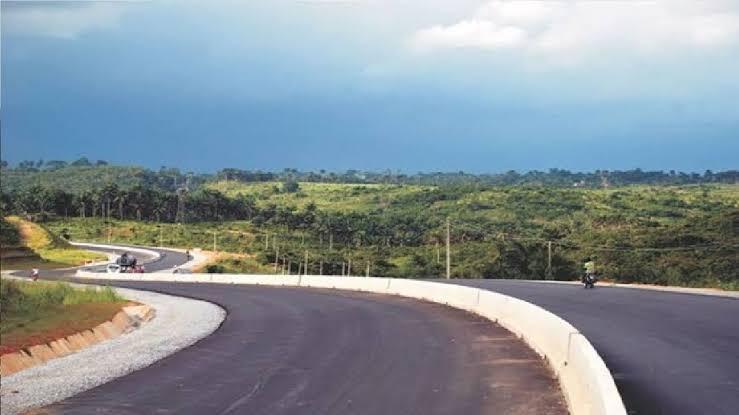
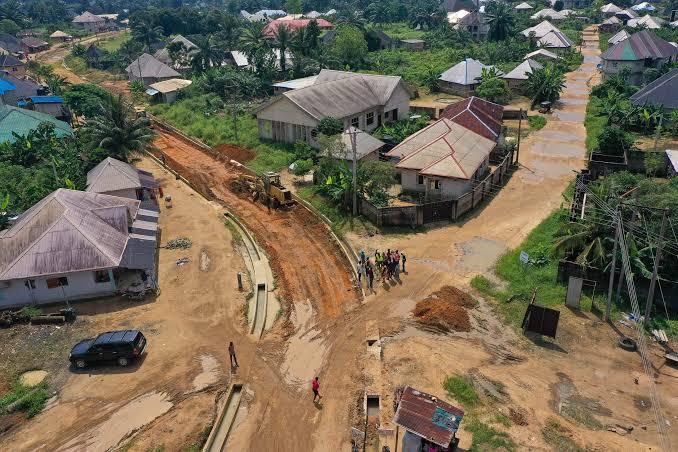
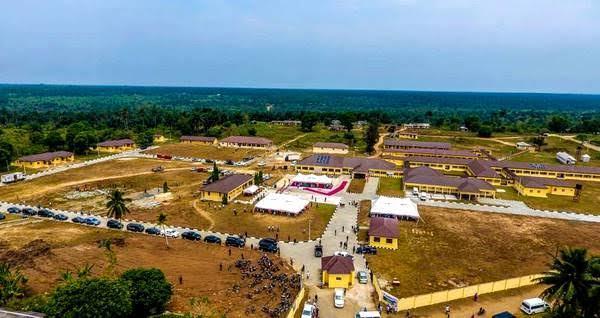
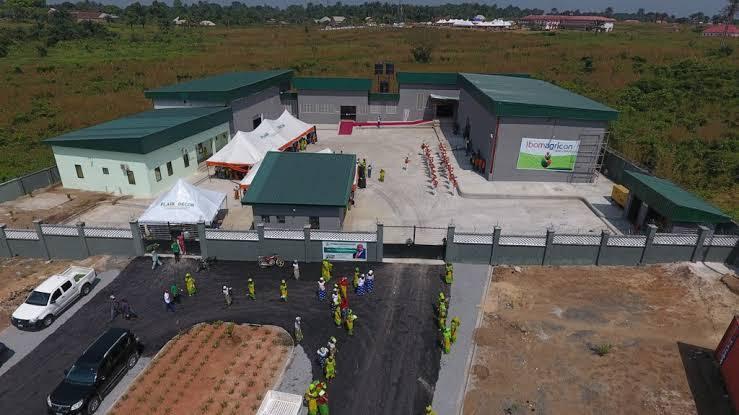
Akwa Ibom’s market is driven by its oil-rich economy, with oil production being a major contributor to the state’s revenue. Agriculture also plays a key role, with the state producing crops like yam, cassava, plantain, and oil palm, which support both local consumption and trade. The retail market in Uyo and other urban centers is growing, with a variety of goods including food, textiles, and household items. The state also has a developing tourism market, driven by its beaches and cultural heritage. Despite the oil wealth, challenges such as infrastructure development and distribution remain.
What To Expect
In Akwa Ibom, you can expect a vibrant cultural scene, with traditional festivals, dances, and rich ethnic diversity, primarily from the Ibibio and Annang communities. The state's beautiful coastline and beaches along the Atlantic Ocean offer stunning views and potential for tourism. Akwa Ibom is known for its oil-rich economy, contributing significantly to Nigeria’s oil production, alongside a thriving agricultural sector. The capital, Uyo, offers modern infrastructure and growing opportunities in commerce, but challenges like infrastructure gaps in rural areas may still exist.
The Neighbors
Akwa Ibom shares borders with Cross River to the east, Abia to the north, Rivers to the west, and the Atlantic Ocean to the south.