Ogun
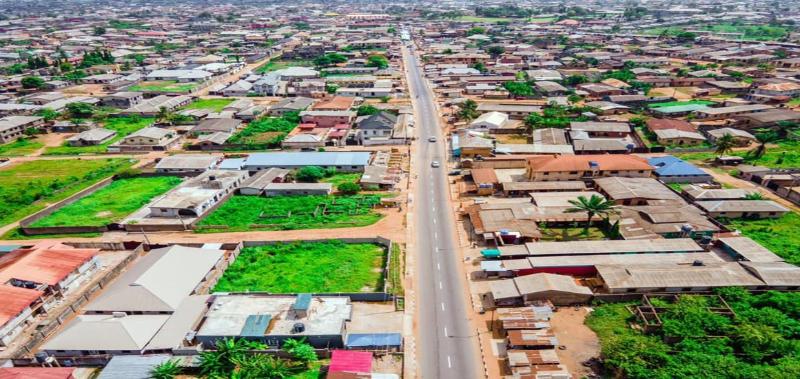
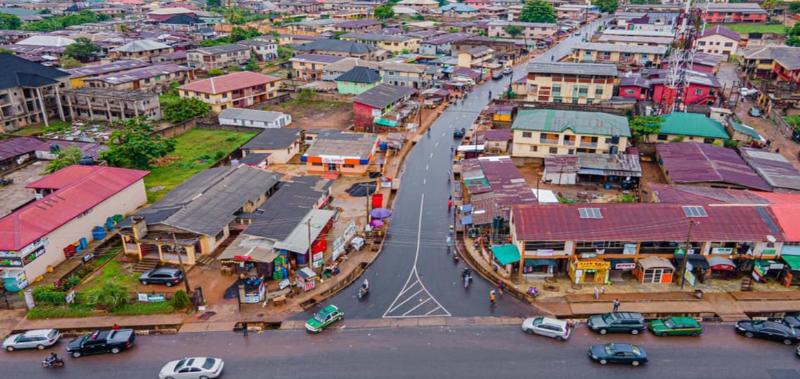
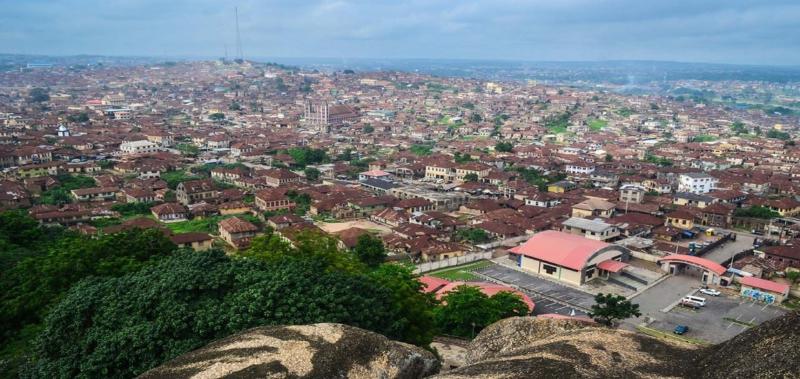
Ogun State is located in the southwestern region of Nigeria and was officially created on February 3, 1976. The state's capital is Abeokuta, a city rich in history and culture, famously known for the Olumo Rock, a significant landmark that attracts both locals and tourists. Ogun shares borders with Lagos State to the south, Oyo State to the north, Ondo State to the east, and the Republic of Benin to the west, making it a strategically positioned state with easy access to both local and international markets.
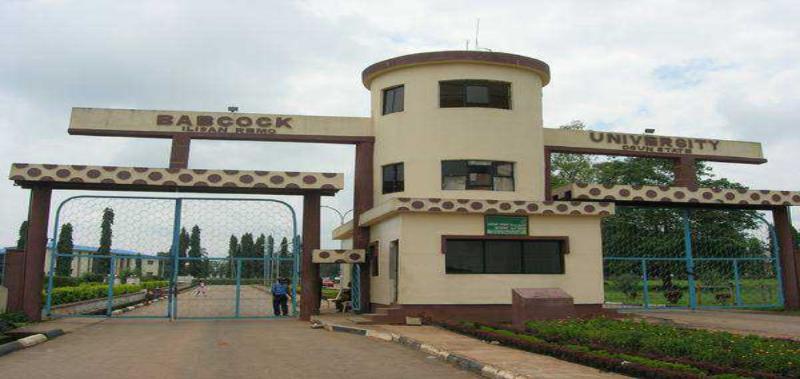
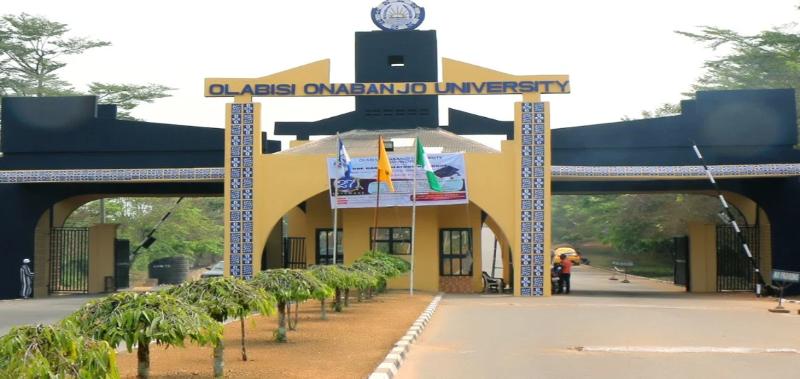
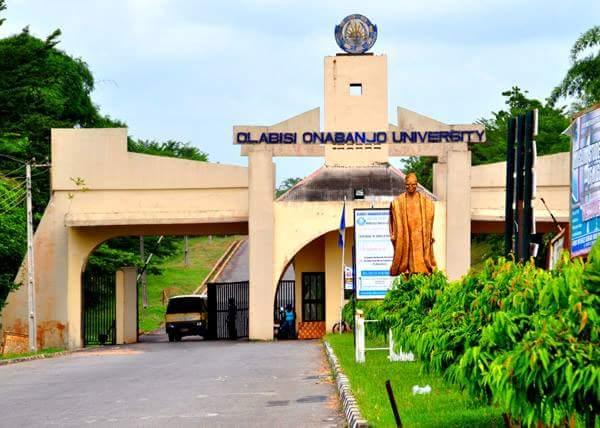
The state is historically significant, with Abeokuta being the seat of the Egba people and playing a vital role during the colonial period. Ogun is also known for its significant contributions to education, with prestigious institutions such as Covenant University, The Polytechnic, Ibadan, and several other secondary schools and colleges, which make the state an educational hub in the southwest.
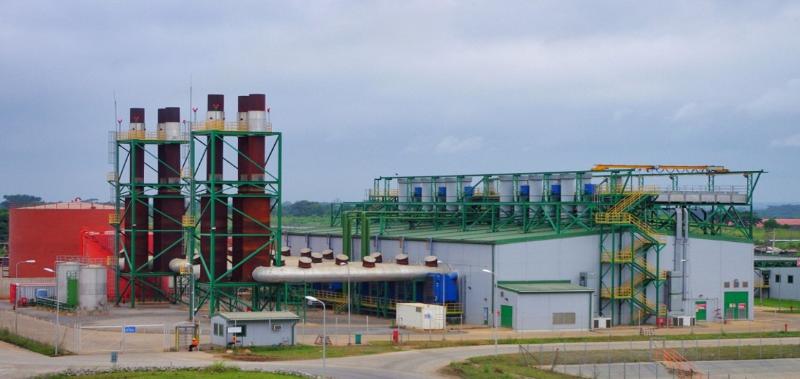
Economically, Ogun State is highly industrialized, housing several large manufacturing companies, especially in textiles, cement, and agriculture. Its agricultural production includes cassava, maize, yams, and cocoa, with the fertile land of Ogun providing a significant portion of Nigeria’s food supplies. In addition, Ogun is rich in natural resources like limestone, clay, and granite, which support the state's growing industrial sector.
Culturally, Ogun is home to a variety of ethnic groups, including the Yoruba, Egba, and Ogun, all of whom contribute to the state’s vibrant traditions, festivals, and languages. The state hosts the Ojude Oba Festival in Ijebu Ode, a cultural celebration that attracts thousands of people annually. Ogun's strategic location, educational influence, economic strength, and rich cultural heritage make it a unique and significant state in Nigeria, blending modern development with traditional values.
Axis




Active Listings in Ogun





Very Decent Single Room Self Contained
Arepo Arepo Ogun
 1 Beds
 1 Baths
 1 Toilets
₦ 650,000/year
View this listing
Newly Renovated 3 Bedroom Flat
Arepo Arepo Ogun
- 3 Beds
- 3 Baths
- 4 Toilets
₦ 2,000,000/year
View this listingReal Estate Agents
Real Estate Agents
Real Estate Agents
Real Estate Agents
Real Estate Agents
Real Estate Agents
Real Estate Agents
Real Estate Agents
Summary
Ogun State, located in southwestern Nigeria, was created in 1976 with Abeokuta as its capital. It is bordered by Lagos State to the south, Oyo State to the north, Ondo State to the east, and the Republic of Benin to the west. Ogun is historically significant, known for Olumo Rock and its role in Nigeria's colonial past. It is an educational hub, home to institutions like Covenant University and The Polytechnic, Ibadan. The state has a strong economy, driven by manufacturing, agriculture (cassava, maize, cocoa), and natural resources like limestone. Culturally, it is known for its vibrant traditions, including the Ojude Oba Festival in Ijebu Ode, and has a diverse population of Yoruba and Egba people.
Photos

Sponsored Properties

Side Attraction
YOU'LL FALL IN LOVE WITH
You might love Ogun State for its rich cultural heritage and beautiful landscapes, its delicious food, industrial hub, friendly people, and educational opportunities.
THE MARKET
Ogun State is one of the major industrial hubs in Nigeria, with a strong presence in manufacturing, trade, and commerce. The state is home to many industries, such as the Nestle Food Factory, the Lafarge Cement Factory, and the Procter & Gamble Factory. If you're interested in business and entrepreneurship, you'll find many opportunities in Ogun State.
THE LIFESTYLE
Ogun State is a vibrant and culturally rich state with a diverse economy and many tourist attractions. Whether you're interested in history, culture, nature, or business, you'll find plenty to explore and enjoy in Ogun State.
WHAT TO EXPECT
Ogun State is home to many beautiful natural landscapes, including the Omo Forest Reserve, the Oyan Dam, and the Ijamido River. If you love nature and outdoor activities, you'll find plenty to enjoy in Ogun State.
THE NEIGHBOURS
Ogun State has a population of over 4 million people, and the major ethnic groups are the Yoruba, Egba, Awori, and Egun. The official language of the state is English, but Yoruba is also widely spoken.