Sokoto
Sokoto State, located in the northwestern region of Nigeria, is one of the most historically significant and culturally rich states in the country. It is often referred to as the "Seat of the Caliphate," as it was the center of the powerful Sokoto Caliphate, founded by the legendary Islamic scholar and reformer Usman Dan Fodio in 1804. The Sokoto Caliphate played a pivotal role in the spread of Islam across West Africa and became one of the most influential empires in the region. Today, Sokoto remains a hub for Islamic scholarship, with numerous Quranic schools and Islamic institutions that attract students and scholars from all over the world.
Sokoto State is characterized by its arid climate and vast landscapes, which include rolling savannahs and expansive plains. The state's economy is primarily based on agriculture, with crops such as millet, maize, groundnuts, and cotton being significant contributors to its economy. Livestock farming, especially cattle, sheep, and goats, also play an important role in the state's economy, with Sokoto being one of Nigeria's major producers of cattle.
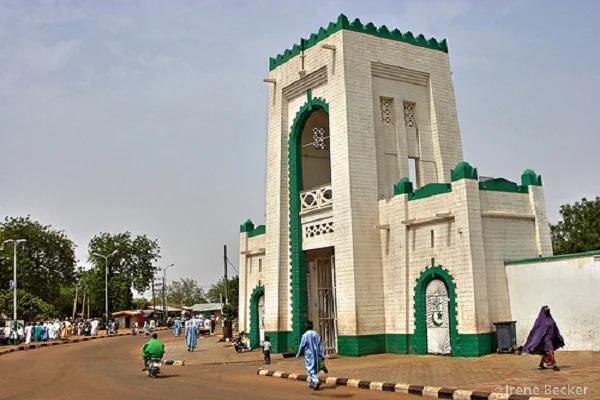
Sokoto’s cultural heritage is rich and diverse, with traditional music, dance, and festivals showcasing the state's deep Islamic influence. The state is home to various ethnic groups, including the Hausa, Fulani, and other indigenous communities, each contributing to the state’s unique cultural mosaic. Sokoto's historical landmarks, such as the Sultan's Palace, the ancient city walls, and the Gidan Raba Museum, draw tourists interested in exploring the state's heritage.
Additionally, Sokoto has a strong presence in Nigerian politics, with the state producing prominent political leaders and serving as a major political base for northern Nigeria. The state's political importance is highlighted by its role in the selection of Nigeria's national leaders, with the Sultan of Sokoto being regarded as the spiritual leader of Nigeria's Muslim community.
Summary
Sokoto State, located in northwestern Nigeria, is historically significant as the center of the Sokoto Caliphate, founded by Usman Dan Fodio in 1804. Known as the "Seat of the Caliphate," it remains a hub for Islamic scholarship and politics. The state's economy is primarily agricultural, with millet, maize, and livestock farming being key contributors. Sokoto is home to diverse ethnic groups, including the Hausa and Fulani, and boasts rich cultural traditions, festivals, and landmarks like the Sultan's Palace.
Photos
Sponsored Properties
Side Attraction
YOU'LL FALL IN LOVE WITH
Sokoto’s rich history and cultural heritage make it an exciting place to explore. The Sultan’s Palace, home to the Sultan of Sokoto, is a historical landmark and a symbol of Islamic leadership in Nigeria. The Usman Dan Fodio Tomb is a must-visit for those interested in the history of the Sokoto Caliphate. Nature lovers will enjoy the Goronyo Dam, a scenic water reservoir perfect for fishing and relaxation. The Waziri Junaidu History and Culture Museum offers a deep dive into Hausa-Fulani traditions and artifacts.
THE MARKET
Sokoto’s markets are known for their trade in textiles, leather, and grains. The Sokoto Central Market is one of the largest in the region, offering fabrics, handcrafted leather goods, and fresh produce. Bodinga Market is a hub for livestock trading, while Illela Border Market facilitates cross-border commerce with Niger Republic, making it a hotspot for international goods.
THE LIFESTYLE
Sokoto’s social life revolves around Islamic traditions, agriculture, and trade. The people are welcoming and known for their strong community values.
WHAT TO EXPECT
A rich Islamic culture, historic landmarks, and a bustling trade environment. Sokoto is known for its hot climate but also for being one of the most peaceful and culturally significant states in Nigeria.
THE NEIGHBOURS
Sokoto shares borders with Kebbi and Zamfara States, as well as Niger Republic, making it an important trade route between Nigeria and West Africa.