Taraba
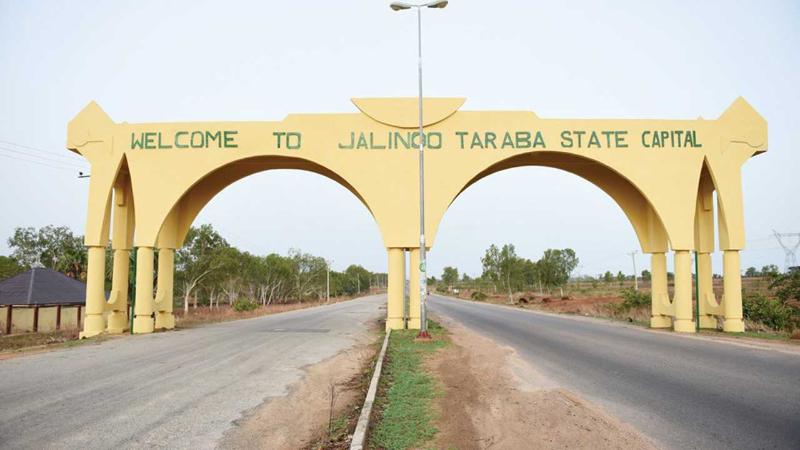
Taraba State, situated in northeastern Nigeria, is renowned as "Nature’s Gift to the Nation" due to its stunning landscapes, diverse wildlife, and abundant natural resources. Established in 1991, it is one of Nigeria's most ecologically rich states, offering picturesque views of mountains, valleys, and forests. The state is home to a variety of tourist attractions, including the Mambilla Plateau, a highland area known for its cool climate, scenic beauty, and coffee plantations. The Ngel Nyaki Forest Reserve and Gashaka-Gumti National Park are significant for their rich biodiversity, offering opportunities for wildlife conservation and eco-tourism.
Taraba is culturally diverse, with over 40 ethnic groups, including the Jukun, Mambilla, Chamba, and Kuteb, contributing to its vibrant traditions and festivals. The state's rich cultural heritage is evident in its music, dance, art, and festivals, such as the Jukun Festival and the Mambilla Festival. The people of Taraba are known for their hospitality and community spirit, and the state has become a melting pot for different cultures, languages, and traditions.
Economically, Taraba's agriculture plays a central role. The state is a significant producer of crops such as maize, yam, rice, and millet. Its fertile land also supports the cultivation of fruits, vegetables, and cash crops like cocoa and coffee. Livestock farming, particularly cattle and goats, is also common in the state, contributing to the local economy. Despite the challenges posed by insecurity in some areas, Taraba remains a key agricultural player in the northeastern region.
Summary
Taraba State, located in northeastern Nigeria, is known for its breathtaking landscapes, wildlife, and cultural diversity, earning it the title "Nature’s Gift to the Nation." Created in 1991, the state is home to over 40 ethnic groups, including the Jukun, Mambilla, and Chamba. It boasts attractions like the Mambilla Plateau, Ngel Nyaki Forest Reserve, and Gashaka-Gumti National Park, making it a hub for eco-tourism. The state's economy is driven by agriculture, with crops such as maize, rice, and coffee, along with livestock farming.
Photos
Sponsored Properties
Side Attraction
YOU'LL FALL IN LOVE WITH
Taraba is home to some of Nigeria’s most breathtaking landscapes. The Mambilla Plateau, the highest plateau in Nigeria, is a dream destination for hikers, nature lovers, and tea enthusiasts. The Gashaka-Gumti National Park, the largest wildlife reserve in Nigeria, offers an opportunity to see chimpanzees, elephants, and exotic birds. The Kashimbila Waterfalls provide a stunning backdrop for photography and adventure, while the Nwunyu Fishing Festival in Ibi showcases cultural boat races and traditional fishing techniques.
THE MARKET
Markets in Taraba are rich in local produce and cultural crafts. The Jalingo Market is the heart of commerce, offering fresh farm produce, textiles, and handcrafted items. Wukari Market is famous for cattle trade and agricultural products, while Gembu Market, located on the Mambilla Plateau, is known for its locally produced tea and dairy products.
THE LIFESTYLE
Taraba has a mix of urban and rural life, with many people engaged in farming, trading, and tourism-related activities.
WHAT TO EXPECT
A paradise for nature lovers and adventure seekers. The state is home to Nigeria’s largest game reserve, scenic mountains, and vast farmlands.
THE NEIGHBOURS
Taraba shares borders with Adamawa, Gombe, Plateau, Benue, and Nasarawa States, as well as Cameroon, making it an important gateway for international trade and tourism.