Yobe
Yobe State, located in northeastern Nigeria, was established in 1991 when it was split from Borno State. Often referred to as the "Pride of the Sahel," the state is known for its vast deserts, expansive sand dunes, and rich history. Yobe is an agricultural powerhouse, particularly renowned for its livestock farming, with cattle rearing being a key part of the state's economy. The state also produces significant quantities of date palms and gum Arabic, which are vital to both local consumption and export.
Geographically, Yobe lies within the Sahelian belt, characterized by its semi-arid climate, which shapes the livelihoods of the people. It is bordered by other key states, including Borno, Jigawa, and Bauchi, with the Chad Basin and the Niger Republic to the north. This strategic location has made Yobe an important center for trade and commerce, with its markets and towns connecting Nigeria to neighboring regions.
Yobe’s cultural heritage is a blend of its ethnic diversity, with major groups including the Kanuri, Shuwa, and Fulani. The state’s history is rich with the influence of ancient empires and Islamic scholarship, and it is home to significant historical landmarks, including ancient mosques and trading routes.
In addition to agriculture, the state’s economy is buoyed by small-scale industries, particularly in handicrafts and food processing. However, Yobe faces challenges such as insecurity due to insurgency, which has affected its development.
Summary
Yobe State, located in northeastern Nigeria and created in 1991, is known as the "Pride of the Sahel" due to its vast deserts, sand dunes, and agricultural prominence. The state is a major hub for livestock farming, particularly cattle rearing, and is also known for producing date palms and gum Arabic. Yobe’s economy benefits from its strategic location, connecting Nigeria to neighboring regions, and its diverse population includes ethnic groups like the Kanuri, Shuwa, and Fulani. Despite challenges such as insecurity, Yobe remains an important agricultural and trade center, with its capital, Damaturu, playing a key role in its development.
Photos
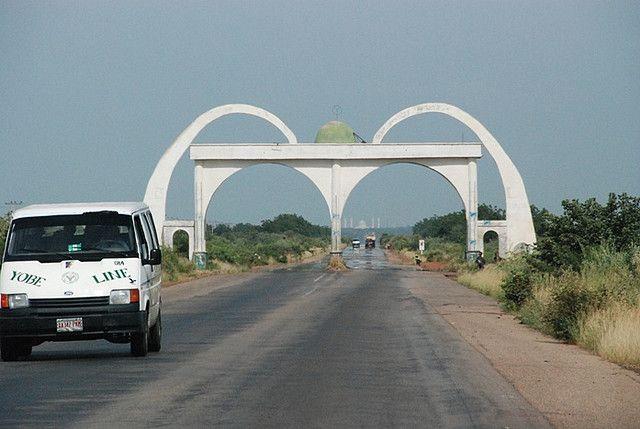
Sponsored Properties
Side Attraction
YOU'LL FALL IN LOVE WITH
Yobe’s unique blend of desert landscapes, wildlife, and historical sites makes it an attractive destination. The Tulo-Tulo Sand Dunes offer a stunning desert experience, while the Dagona Birds Sanctuary is home to migratory birds from Europe, making it a paradise for bird watchers. The Bade Emir’s Palace showcases traditional Kanuri architecture, and the Yobe Sahel Safari gives visitors a chance to experience the Nigerian savannah wildlife, including antelopes and gazelles.
THE MARKET
Yobe’s markets are vibrant centers for livestock, grains, and handcrafted goods. The Damaturu Market is the largest, dealing in cattle, grains, and fabrics. Nguru Market is a major hub for livestock and gum Arabic exports, while Geidam Market is known for dried fish, dates, and leather goods. These markets play a vital role in Yobe’s economy, connecting the state with neighboring regions.
THE LIFESTYLE
Yobe has a rural and semi-urban lifestyle, with many people engaged in farming, herding, and trading. The Kanuri, Fulani, and Bade people dominate the cultural scene, known for their colorful festivals and traditional wrestling.
WHAT TO EXPECT
A state rich in traditional culture, nomadic lifestyles, and a strong agricultural economy. It is home to some of the best grazing lands in Nigeria, attracting herders and traders from across the region.
THE NEIGHBOURS
Yobe borders Borno, Jigawa, Bauchi, and Gombe States, as well as Niger Republic, making it a key player in cross-border trade.