Zamfara
Zamfara State, located in the northwestern region of Nigeria, was created in 1996 from Sokoto State. It shares borders with Kebbi State to the west, Sokoto State to the north, Katsina State to the east, and Niger State to the south. The state is strategically placed in a region that is deeply ingrained in Nigeria's agricultural and cultural traditions. Its capital is Gusau, a city that plays a pivotal role in the governance and administration of the state.
Agriculture and Economy
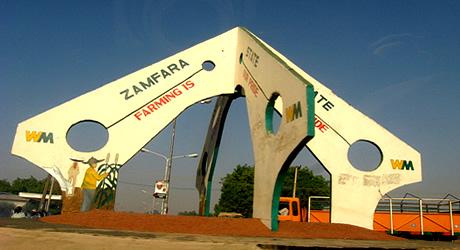
Zamfara State is one of Nigeria's agricultural powerhouses, primarily known for the production of grains like millet, sorghum, and maize, which thrive in its fertile lands. The state is also a significant producer of livestock, especially cattle, goats, and sheep, supporting Nigeria’s vast livestock industry. Zamfara's agricultural sector is complemented by its mining industry, particularly gold, which has made the state one of the key producers of gold in Nigeria. The discovery of gold in the region has sparked both local and foreign interest, further boosting the state's economic profile.
Cultural Heritage
Zamfara is home to a rich Islamic heritage, with a population predominantly made up of Hausa and Fulani people. The state is known for its strong connection to Islamic traditions, seen in the daily practices, festivals, and historic Islamic sites scattered across the region. The influence of Hausa and Fulani culture is apparent in the state's art, music, food, and festivals, making it an important center of tradition and religious life in Nigeria.
Tourism and Attractions
Zamfara offers natural beauty with its rolling hills, savannahs, and river valleys. The state has potential for tourism, particularly eco-tourism, thanks to its diverse landscapes and cultural landmarks. There are historical and religious sites like the ancient city of Tsafe, known for its ties to the Hausa-Fulani heritage, and the beautiful natural formations around the Shagari River. However, the region’s tourism sector remains underdeveloped and presents an opportunity for growth.
Summary
Zamfara State, known for its agricultural strength, especially in grain farming and livestock, as well as its rich Islamic and Hausa-Fulani heritage, is a key state in Nigeria's northwestern region. It plays an essential role in Nigeria's mining sector, particularly gold, and offers cultural and natural beauty
Photos
Sponsored Properties
Side Attraction
YOU'LL FALL IN LOVE WITH
Zamfara offers an exciting mix of wildlife, history, and gold mining. The Kuyanbana Game Reserve is home to elephants and antelopes, making it a great place for wildlife enthusiasts. Gusau Dam provides a scenic escape for relaxation and fishing. The Emir’s Palace in Gusau is a cultural masterpiece showcasing Hausa-Fulani heritage, while the Zamfara Gold Mines give visitors a firsthand look at the state’s thriving gold industry.
THE MARKET
Zamfara’s markets are rich in agricultural produce, gold, and handcrafted goods. Gusau Market is the main trading hub for cattle, grains, and textiles. Kaura Namoda Market is famous for gold trading and handcrafted leather products, while Anka Market specializes in groundnut and rice trade. These markets are essential for the state’s economy, attracting traders from across Nigeria and beyond.
THE LIFESTYLE
Zamfara has a deeply traditional lifestyle, where people engage in farming, trading, and local crafts. The state is famous for its leatherworks, textile weaving, and traditional festivals.
WHAT TO EXPECT
A state with rich farmlands, strong Islamic traditions, and an evolving mining sector. The economy thrives on farming, gold mining, and trade.
THE NEIGHBOURS
Zamfara borders Sokoto, Kebbi, Katsina, Kaduna, and Niger States, positioning it as a key agricultural and mining hub in Nigeria.