Houses for Sale in Abuja: Area-by-Area Price Guide (2026)
A practical area-by-area price guide to houses for sale in Abuja. Compare current 2026 prices across Maitama, Asokoro, Guzape, Gwarinpa, Lugbe, Kubwa and other…

If you are searching for houses for sale in Abuja, the most important thing to understand is that this city does not have one housing market — it has at least four. A 4-bedroom duplex in Maitama can cost ₦1 billion while a comparable house in Kubwa sells for ₦25 million. The difference is not just about size or finishing; it is about district, infrastructure, title security, and how close you are to the city centre. This guide breaks down what houses actually cost in Abuja right now, area by area, so you can match your budget to the right neighbourhood and find verified listings on PropertyPro.
Houses for Sale in Abuja by Area: Current Prices
Abuja’s residential districts are organised into development phases, and prices track closely with phase, infrastructure quality, and proximity to the Central Business District. Below are current price ranges for houses across Abuja’s major districts.
Prime Districts: Maitama, Asokoro, and Wuse II
These are Abuja’s most established and expensive residential areas. Maitama and Asokoro house embassies, diplomatic residences, and senior government officials. Wuse II blends residential and commercial space, making it attractive for buyers who want walkable access to restaurants, offices, and retail.
Current house prices in prime districts:
- Maitama: 4-bedroom detached houses range from ₦350 million to over ₦1 billion. Price per square metre reaches ₦4.5 million in the most exclusive plots.
- Asokoro: 4-bedroom houses start around ₦300 million and reach ₦800 million for premium units with full security infrastructure.
- Wuse II: 4-bedroom houses range from ₦200 million to ₦500 million, depending on finishing and plot size.
These districts hold value because land supply is effectively frozen — there is no room for new development, so prices are driven by scarcity and prestige. If you are buying in this tier, you are paying for location certainty, not speculative growth.
Browse houses for sale in Abuja across all districts on PropertyPro.
Mid-Range Districts: Guzape, Jahi, Katampe, Life Camp, and Gwarinpa
This is where most Abuja buyers actually purchase. These districts offer a balance of affordability, security, and reasonable commute times to the city centre. Several have seen significant price appreciation over the past two years as infrastructure improvements make them more attractive.
Current house prices in mid-range districts:
- Guzape: ₦80 million – ₦180 million for a 4-bedroom duplex. One of Abuja’s fastest-appreciating areas due to road upgrades and new estate development.
- Jahi: ₦70 million – ₦150 million for a 4-bedroom duplex. Prices here have risen 18–30% year-on-year as the district benefits from improved connectivity.
- Katampe Extension: ₦100 million – ₦250 million for a 4-bedroom house. Popular with professionals who want proximity to the city centre without prime-district pricing.
- Life Camp: ₦65 million – ₦130 million for a 4-bedroom duplex. A quiet, family-friendly area with established infrastructure.
- Gwarinpa: ₦55 million – ₦120 million for a 4-bedroom duplex. One of Abuja’s most active residential markets, known for its structured layout and range of housing types.
Find houses for sale in Abuja across these mid-range neighbourhoods on PropertyPro.
Affordable Districts: Lugbe, Kubwa, Lokogoma, and Karsana
For first-time buyers and investors targeting the rental market, Abuja’s outer districts offer the lowest entry prices. These areas appeal to young families, government workers, and investors who want property ownership without the premium cost of inner-city districts.
Current house prices in affordable districts:
- Lugbe: ₦25 million – ₦55 million for a 4-bedroom duplex. Located along the Airport Road corridor, Lugbe has benefited from improved connectivity that has reduced its effective distance from the city centre.
- Kubwa: Bungalows start around ₦20 million, with 3–4 bedroom houses up to ₦45 million. Kubwa is one of the most affordable places to buy a house in Abuja.
- Lokogoma: ₦28 million – ₦65 million for a 4-bedroom duplex. A rapidly developing area absorbing much of Abuja’s population growth.
- Karsana: ₦28 million – ₦60 million for a 4-bedroom house. Part of the Phase 4 development zone with active new construction.
For budget-conscious buyers, PropertyPro maintains a filter for houses in Abuja between ₦20 million and ₦40 million — one of the most searched price bands.
You can also browse all affordable houses for sale in Abuja on PropertyPro.
What Does a House in Abuja Actually Cost?
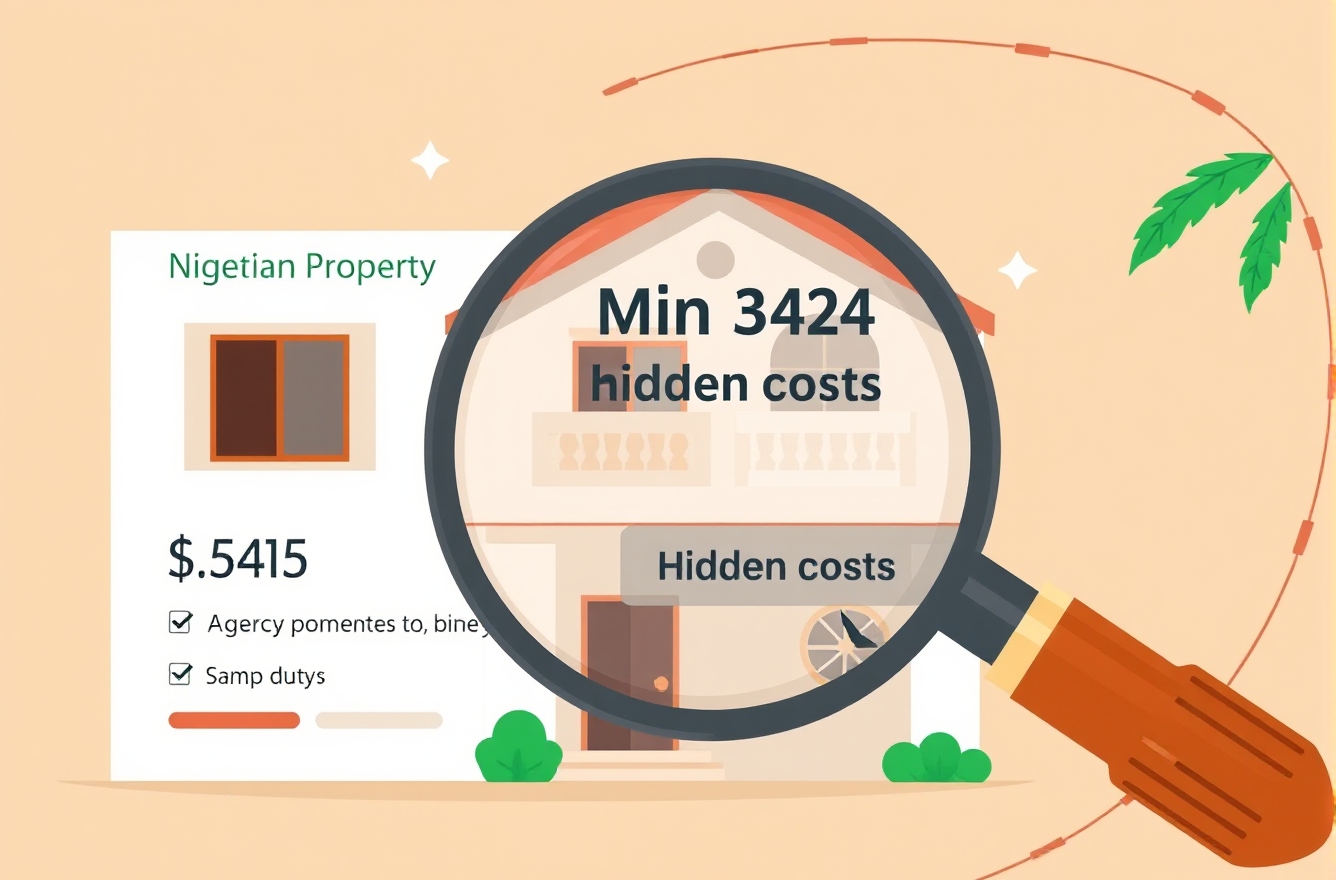
Beyond the headline asking price, Abuja buyers should budget an additional 14–25% for acquisition costs. These include:
- Certificate of Occupancy (C of O): ₦3,500,000 flat rate — the strongest land title in Abuja.
- Land search at AGIS: ₦10,000 – ₦20,000 for residential properties.
- Governor’s Consent: ₦50,000 – ₦100,000, required for all property transfers in the FCT.
- Stamp duty: 7.5% of the property value.
- Legal fees: 5–10% of the purchase price for drafting and reviewing the Deed of Assignment.
- Agency commission: Typically 5% of the purchase price.
- Survey plan (if needed): ₦150,000 – ₦500,000.
A useful rule: if your target house costs ₦50 million, budget ₦57–62.5 million all-in. New-build homes typically cost about 25% more than older properties due to modern layouts, better finishes, and lower repair risk, but they also come with estate services that older standalone houses may lack.
Read Next
 Studio Apartments in Lagos: Where to Find Them and What They Cost (2026)
For a detailed walkthrough of the full buying process, see PropertyPro’s guide on how to buy a house in Abuja.
Where to Find Houses for Sale in Abuja
PropertyPro curates verified listings across all Abuja districts. Every listing includes confirmed pricing, title documentation status, agent-verified photos, and direct contact with the listing agent. Here is how to find what matches your budget:
- All Abuja houses for sale: Browse the full Abuja listing collection
- Filter by house type: Houses only (excluding flats and land)
- Budget band ₦20M–₦40M: Affordable houses in Abuja
- Luxury houses: Luxury property for sale in Abuja
- Land for building: Verified plots of land in Abuja
- Work with an agent: Verified real estate agents in Abuja
If you are also comparing Abuja with Lagos, see our analysis of Lagos vs Abuja property investment in 2026.
What to Check Before Buying a House in Abuja
Abuja’s property market is well-regulated compared to many Nigerian cities, but it still requires careful due diligence. Three checks are non-negotiable:
Verify the title at AGIS. The Abuja Geographic Information Systems (AGIS) office at 4 Peace Drive, Garki Central Business District handles all land records. You can also initiate searches via the AGIS website. A residential land search costs ₦10,000–₦20,000 and confirms whether the property exists, whether the seller has the right to sell, and whether there are encumbrances or government interests on the plot. Never skip this step — the ₦20,000 fee protects you from losing millions to fake or double-sold plots.
Inspect the property at least twice. Visit at different times of day to assess traffic, security, water supply, and road access. Properties on tarred roads with easy highway access generally hold value better than those on unpaved roads. Speak to neighbours about the area’s security situation.
Budget for the full acquisition cost. Many first-time buyers spend their entire budget on the purchase price and cannot afford stamp duty, legal fees, or basic furnishing. Always add 15–25% on top of the asking price for the full buying process.
For more detail on the documentation required, see PropertyPro’s complete Abuja home buying guide, which covers every document from the C of O to the Deed of Assignment.
Abuja House Prices in Context
Abuja’s housing market is structurally different from Lagos. Where Lagos is driven by commercial activity, population density, and private investment, Abuja’s demand base is institutional — government workers, diplomats, and contractors whose housing is often employer-supported. This makes Abuja prices more stable but also means entry-level pricing is higher than in many parts of Lagos.
Nominal property prices in Abuja have risen 10–18% year-on-year across many districts, with the strongest growth in mid-range areas like Jahi and Katampe Extension. However, once inflation is accounted for, real growth is more modest. Abuja property is best understood as a capital preservation asset with steady rental income potential, not a market for rapid speculative gains.
For a broader market analysis, see PropertyPro’s Abuja housing market 2026 analysis and our guide to fast-growing Abuja neighbourhoods to watch.
Frequently Asked Questions
Where are the cheapest houses for sale in Abuja?
Kubwa, Lugbe, Lokogoma, and Karsana offer the lowest entry prices. Bungalows in Kubwa start around ₦20 million, while 4-bedroom duplexes in Lugbe range from ₦25 million to ₦55 million. Browse affordable houses for sale in Abuja on PropertyPro.
How much do I need to buy a house in Maitama?
A 4-bedroom house in Maitama typically costs between ₦350 million and ₦1 billion+. Maitama is Abuja’s most expensive residential district, with price per square metre reaching ₦4.5 million. Properties here are scarce and rarely come to the open market.
Is Abuja a good place to buy a house for investment?
Yes, particularly in mid-range and developing districts. Areas like Jahi, Katampe Extension, and Guzape have seen 18–30% price appreciation year-on-year. Rental demand is strong due to Abuja’s institutional workforce. The key is buying in areas with confirmed title documentation and improving infrastructure.
Can I find distressed houses for sale in Abuja?
Distressed sales do occur, particularly in outer districts. PropertyPro’s ₦20M–₦40M filter is useful for finding budget-priced houses, some of which are motivated sales. Always verify the title at AGIS before purchasing any property advertised as distressed.
What is the difference between buying a house and buying land in Abuja?
Buying land gives you more control over design and finishes but requires managing construction costs and timelines. Buying an existing house is faster and lets you inspect the finished product before paying. PropertyPro has both: houses for sale and land for sale in Abuja.
Finding the right house in Abuja comes down to matching your budget to the right district and verifying every document before you pay. Whether you are looking for a ₦20 million bungalow in Kubwa or a ₦800 million duplex in Asokoro, PropertyPro’s verified listings give you direct access to the agents who can show you the property today. Start your search for houses for sale in Abuja and move forward with confidence.
Pricing sources: All house price ranges in this guide are verified from live PropertyPro listings across Abuja districts as of July 2026, cross-referenced with PropertyPro’s published Abuja buying guide. Acquisition cost estimates (C of O, AGIS fees, stamp duty, legal fees) reflect standard FCT rates as of 2026. Price appreciation figures are based on observed year-on-year trends in mid-range districts including Jahi, Katampe Extension, and Guzape.

Ada
PropertyPro Insider shares practical real estate guidance, market context, and home ownership stories for readers across Nigeria.