Gbako
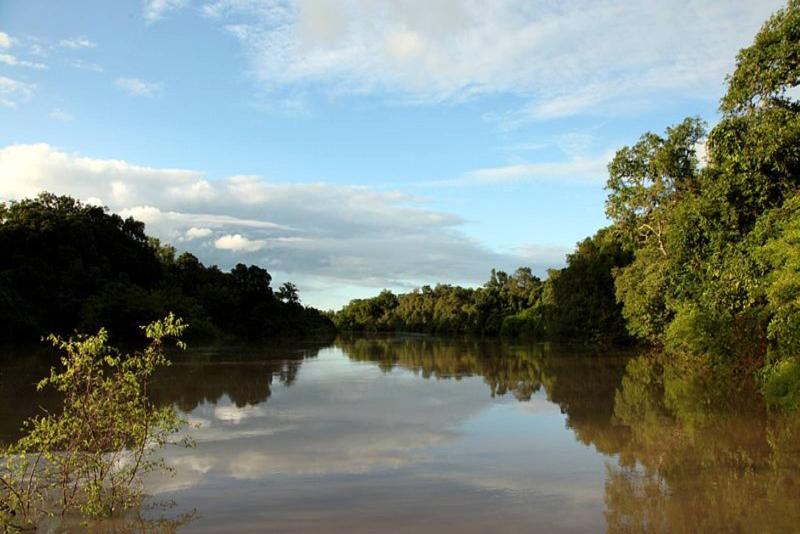
Gbako is a Local Government Area in Niger State, Nigeria. Its headquarters are in the town of Lemu. The Kaduna River forms its western boundary. It has an area of 1,753 km² and a population of 127,466 at the 2006 census. The postal code of the area is 912.
The major ethnic groups in Gbako are the Gwari, Hausa, and Fulani. The Gwari are the largest ethnic group in the area and they make up about 60% of the population. The Hausa are the second largest ethnic group and they make up about 30% of the population. The Fulani are the third largest ethnic group and they make up about 10% of the population.
The major languages spoken in Gbako are Gwari, Hausa, and Fulfulde. Gwari is the most widely spoken language in the area and it is the language of government and education. Hausa is also widely spoken in the area and it is the language of trade and commerce. Fulfulde is spoken by the Fulani people and it is the language of the nomadic Fulani herdsmen.
The major religions in Gbako are Islam and Christianity. Islam is the majority religion in the area and it is practiced by about 80% of the population. Christianity is the minority religion in the area and it is practiced by about 20% of the population.
The major economic activities in Gbako are agriculture, livestock, and trade. Agriculture is the most important economic activity in the area and it accounts for about 70% of the employment in the area. The major crops grown in Gbako are millet, sorghum, rice, and cassava. Livestock is also an important economic activity in the area and it accounts for about 20% of the employment in the area. The major livestock raised in Gbako are cattle, goats, and sheep. Trade is also an important economic activity in the area and it accounts for about 10% of the employment in the area. The major goods traded in Gbako are food, livestock, and agricultural products.
The major challenges facing Gbako are poverty, illiteracy, and unemployment. Poverty is a major challenge in Gbako and it is estimated that about 70% of the population lives below the poverty line. Illiteracy is also a major challenge in Gbako and it is estimated that about 60% of the adult population is illiterate. Unemployment is also a major challenge in Gbako and it is estimated that about 50% of the youth are unemployed.
The major achievements of Gbako in recent years include the construction of roads, schools, and hospitals. The construction of roads has made it easier for people to travel and trade. The construction of schools has increased the literacy rate in the area. The construction of hospitals has improved the health care system in the area.
The major plans for Gbako in the future include the development of agriculture, livestock, and trade. The development of agriculture will increase food production and create jobs. The development of livestock will increase milk production and create jobs. The development of trade will increase the flow of goods and services and create jobs.
Summary
Gbako is a Local Government Area in Niger State, Nigeria, with its headquarters in Lemu. Covering 1,753 km², it had a population of 127,466 as of the 2006 census. The Kaduna River forms its western boundary, and its postal code is 912. The major ethnic groups are the Gwari (60%), Hausa (30%), and Fulani (10%), with Gwari as the dominant language used in government and education, while Hausa and Fulfulde serve as trade and cultural languages. Islam is the predominant religion, followed by Christianity. The economy is primarily agricultural, with millet, sorghum, rice, and cassava as staple crops, alongside livestock farming and trade. However, Gbako faces challenges such as poverty, illiteracy, and unemployment, affecting a significant portion of the population. Recent developments include infrastructure improvements in roads, schools, and hospitals, leading to better transportation, education, and healthcare. Future plans focus on advancing agriculture, livestock farming, and trade to boost food production, job creation, and economic growth.
Photos
Sponsored Properties
Side Attraction
YOU'LL FALL IN LOVE WITH
*The people are warm, welcoming, and friendly. * The culture is rich and vibrant. * The landscape is beautiful. * The food is delicious. * The hospitality is unmatched. If you are looking for a place to relax, have fun, and learn about a new culture, then Gbako is the perfect place for you.
THE MARKET
*The market is a major trading center for the region and a place where people from all walks of life come together to buy and sell goods. * The market is home to a wide variety of stalls, selling everything from food to clothing to household goods. * The market is a great place to experience the culture of Gbako and learn about the local culture and traditions. * The market is a great place to bargain and find good deals on goods. * The market is a unique and rewarding experience.
THE LIFESTYLE
The lifestyle of Gbako is a simple one. The people are mostly farmers and herders, and they live off the land. The main source of income is agriculture, with crops such as maize, millet, and sorghum being grown. Livestock, such as cattle, sheep, and goats, are also important, providing milk, meat, and manure. The people of Gbako are known for their hospitality and their strong sense of community. They are always willing to help out their neighbors, and they are always there to celebrate each other's successes. The lifestyle of Gbako is a peaceful one. The people are content with their simple lives, and they enjoy the beauty of their surroundings. They are grateful for the land that provides for them, and they are proud of their culture and heritage. Here are some of the things that people in Gbako do for a living: * Farming: The majority of people in Gbako are farmers. They grow a variety of crops, including maize, millet, sorghum, rice, and vegetables. * Herding: Some people in Gbako are herders. They raise cattle, sheep, goats, and other livestock. * Trading: There are a few traders in Gbako. They sell goods such as food, clothing, and tools. * Government: There are a few government officials in Gbako. They work in the local government office. * Education: There are a few teachers in Gbako. They teach in the local schools. * Health care: There are a few health care workers in Gbako. They work in the local clinic. The people of Gbako are very resourceful and they are always finding ways to make a living. They are also very creative and they are always coming up with new ways to improve their lives. The lifestyle of Gbako is a simple one, but it is also a rich and rewarding one. The people of Gbako are proud of their culture and their heritage, and they are always looking for ways to improve their lives.
WHAT TO EXPECT
*Gbako is a beautiful area with a lot of natural beauty to offer, including the Gurara River and the Borgu National Park. * Gbako has a rich culture and history that dates back centuries, which you can learn about by visiting the Gbako Palace, the Gbako Museum, the local markets, and the local festivals. * The people of Gbako are known for being friendly and welcoming. Overall, Gbako is a great place to visit if you are looking for a relaxing and cultural experience.
THE NEIGHBOURS
Gbako is bordered by the following Local Government Areas in Niger State: * Rafi to the north * Edati to the east * Lapai to the south * Suleja to the southwest * Gurara to the west Gbako is also bordered by the Kaduna State Local Government Area of Kubau to the northwest.