Niger
Niger State is one of the 36 states in Nigeria. It is located in the north-central region of the country and is bordered by Kebbi State to the north, Kwara State to the south, Kogi State to the southwest, and the Federal Capital Territory (FCT) to the east. Niger State is the largest state in Nigeria, with a land area of 76,363 square kilometers.
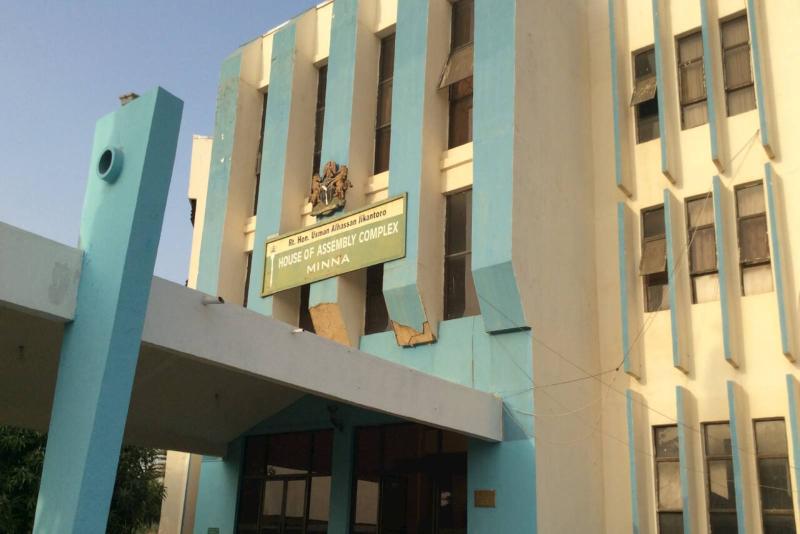
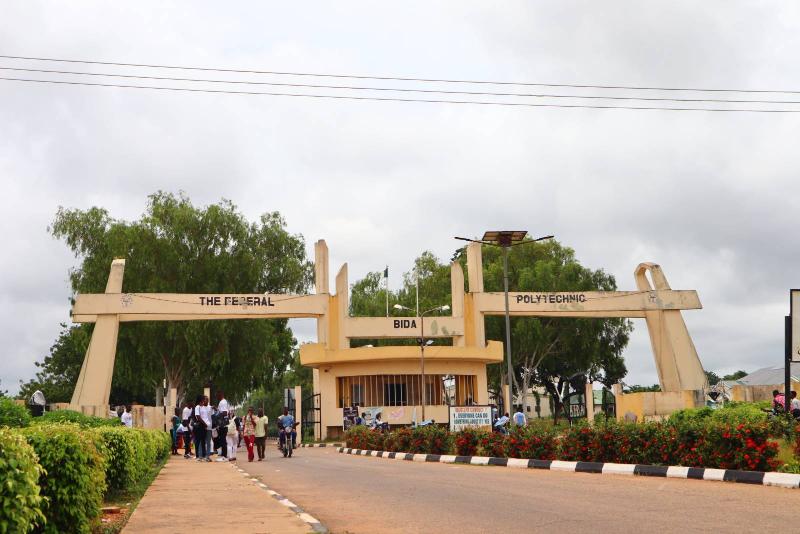
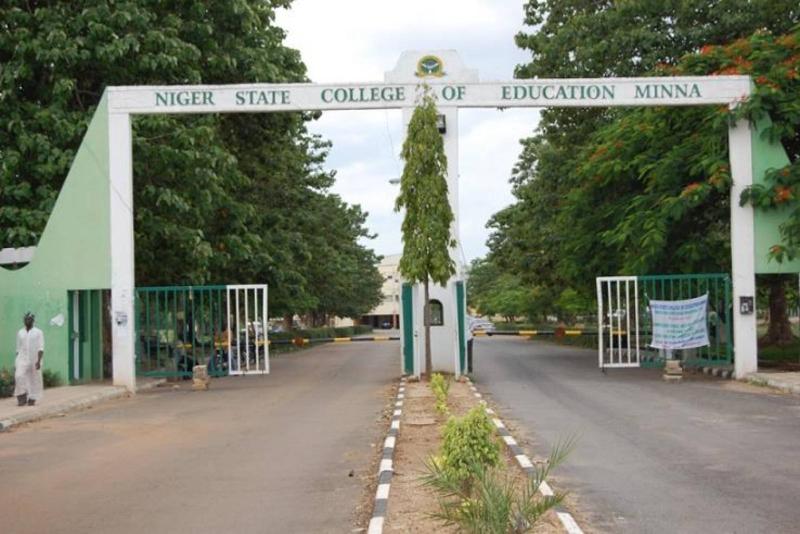
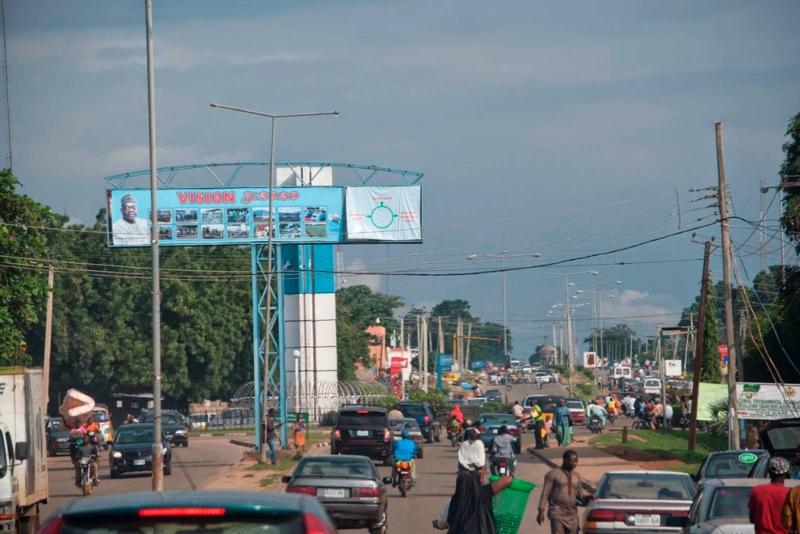
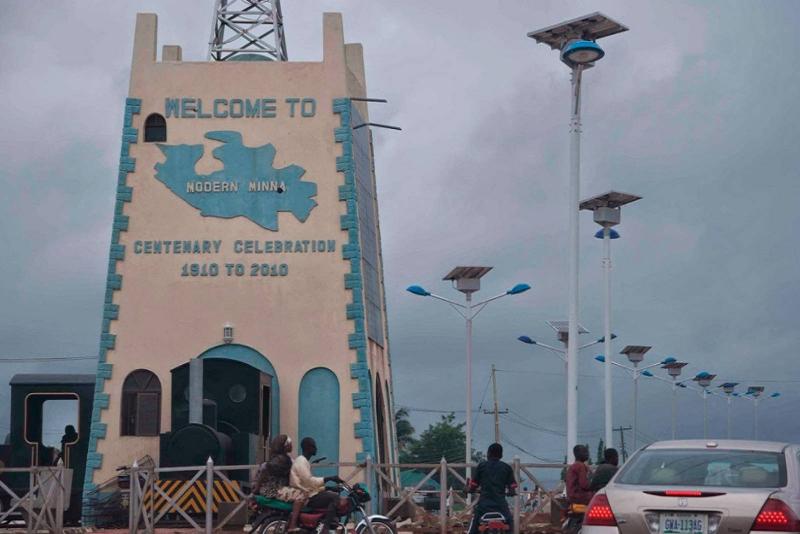
The capital of Niger State is Minna. Other major cities in the state include Bida, Kontagora, and Suleja. The state is home to a diverse population of over 4 million people, including Hausa, Fulani, Nupe, Gwari, and Yoruba.
The economy of Niger State is based on agriculture, livestock, and mining. The state is a major producer of cotton, peanuts, and sorghum. Niger State is also home to several large mining operations, including the Ajaokuta Steel Company and the Itakpe Iron Ore Mine.
Niger State is a relatively poor state, with a Human Development Index of 0.482. The state faces several challenges, including poverty, illiteracy, and insecurity. However, Niger State is also a land of opportunity, with a young and growing population. The state has several development initiatives underway, including the construction of new roads, schools, and hospitals.
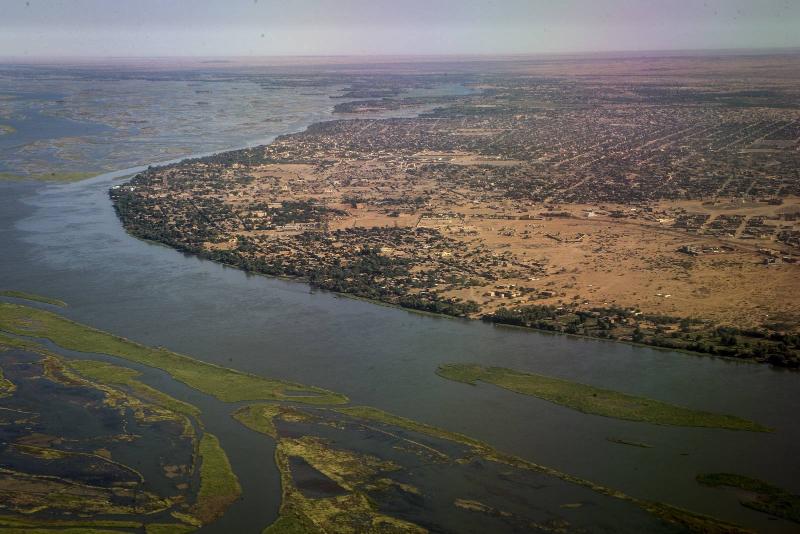
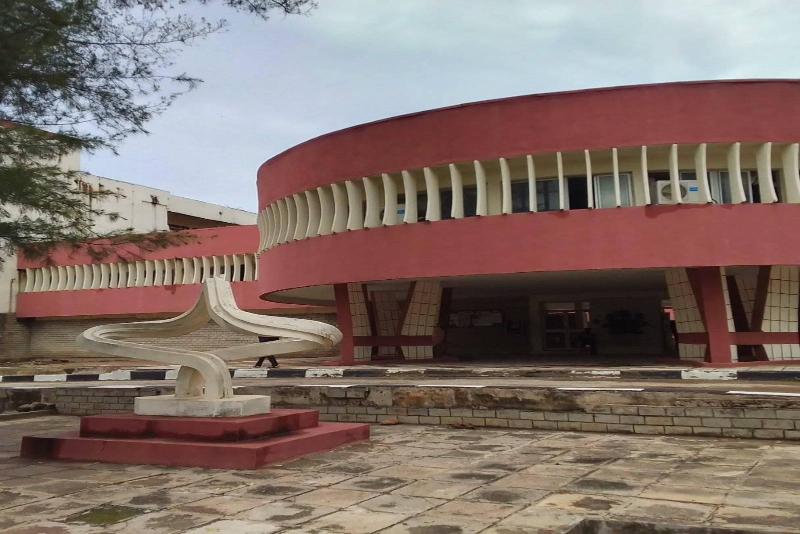
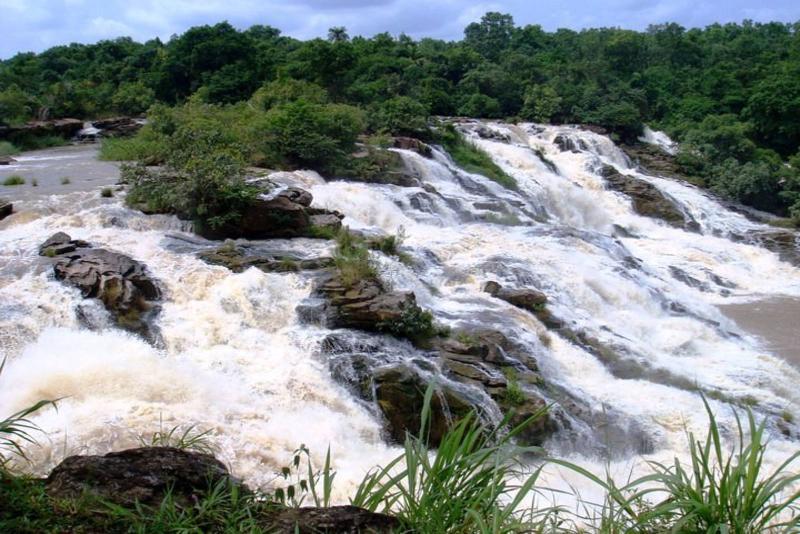
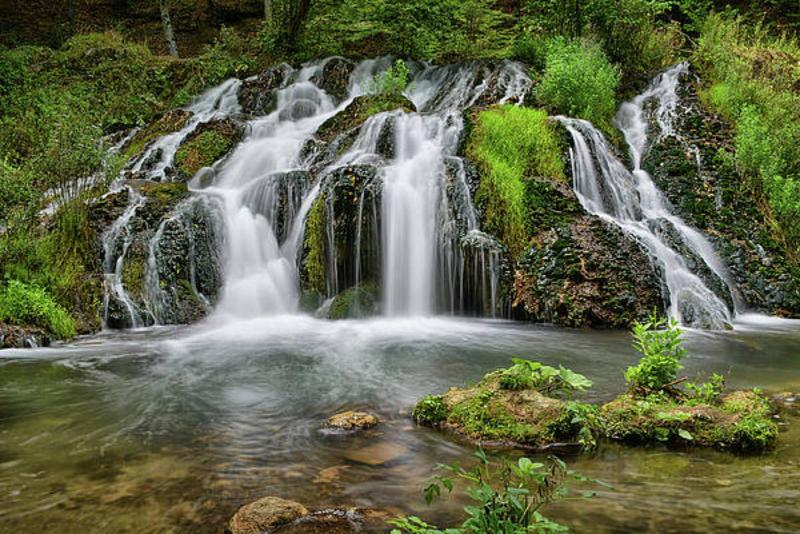
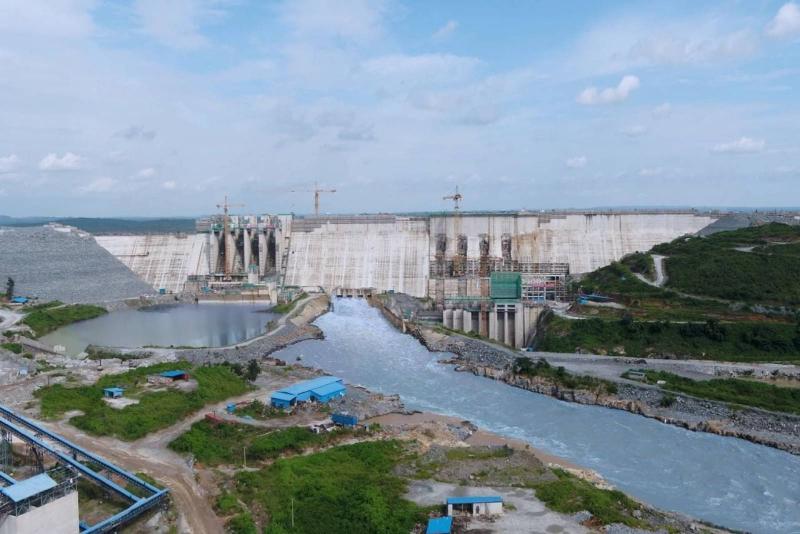
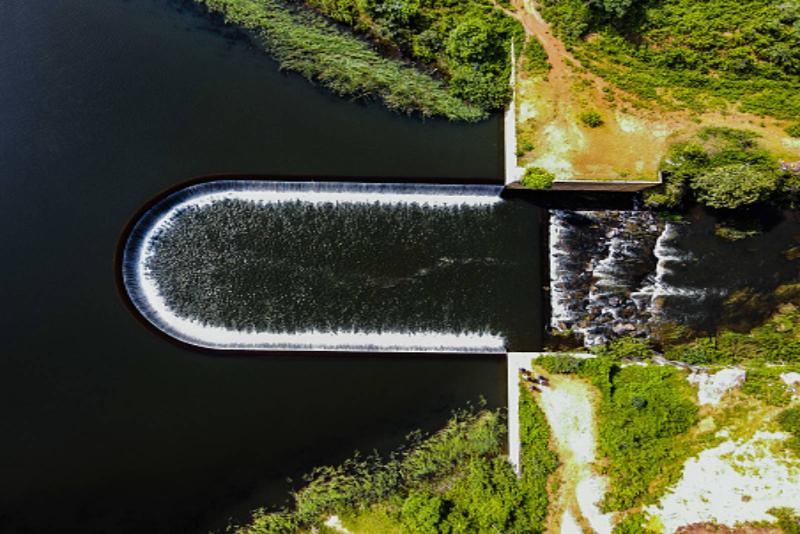
Niger State is a beautiful and diverse state with a rich history and culture. The state is home to some important historical sites, including the ancient city of Bida and the Kainji Dam. Niger State is also home to many natural attractions, including the Gurara Falls and the Borgu Game Reserve.
Niger State is a state with a bright future. The state has several strengths, including its large population, its fertile land, and its mineral resources. With the right investments and policies, Niger State can become a prosperous and developed state.
Axis









Real Estate Agents
Real Estate Agents
Real Estate Agents
Summary
Niger State, the largest state in Nigeria, is located in the north-central region, bordered by Kebbi, Kwara, Kogi, and the Federal Capital Territory (FCT). Its capital, Minna, alongside cities like Bida, Kontagora, and Suleja, is home to a diverse population of over 4 million people, including Hausa, Fulani, Nupe, Gwari, and Yoruba. The state’s economy thrives on agriculture, producing cotton, peanuts, and sorghum, and mining, with major operations like Ajaokuta Steel and Itakpe Iron Ore Mine. Despite challenges such as poverty and insecurity, Niger is rich in historical sites and natural attractions like Bida, Kainji Dam, Gurara Falls, and the Borgu Game Reserve. With ongoing development projects, Niger holds significant potential for prosperity due to its vast land, natural resources, and growing population.
Photos
Sponsored Properties
Side Attraction
YOU'LL FALL IN LOVE WITH
You'll fall in love with: *The people: The people of Niger State are warm, welcoming, and friendly. * The food: The food in Niger State is delicious and varied. * The culture: The culture of Niger State is rich and vibrant. * The scenery: The scenery in Niger State is stunning. I would love to learn about and experience a new culture, meet new people and make friends from all over the world, try new foods and explore new cuisines, and see stunning natural beauty and learn about the history and culture of the region. If you are looking for an authentic African experience, then Niger State is the place for you. The people, the food, the culture, and the scenery are all unforgettable.
THE MARKET
Niger State has a vibrant market culture. Markets are a central part of life in the state, and they are a place where people can come to buy and sell goods, socialize, and learn about the latest news and trends. There are many different types of markets in Niger State, each with its own unique character. Some of the most popular markets include: * The Minna Central Market: This is the largest market in Niger State, and it is a major center for trade and commerce. The market is home to a wide variety of stalls selling everything from food and clothing to electronics and furniture. * The Suleja Modern Market: This market is located in the city of Suleja, and it is a popular destination for shoppers from all over the state. The market is home to a wide variety of stalls selling everything from fresh produce to clothing and electronics. * The Bida Main Market: This market is located in the city of Bida, and it is a major center for the sale of traditional Hausa goods. The market is home to a wide variety of stalls selling everything from traditional clothing and jewelry to Hausa food and spices. * The Kontagora Main Market: This market is located in the city of Kontagora, and it is a major center for the sale of agricultural products. The market is home to a wide variety of stalls selling everything from grains and fruits to vegetables and livestock. In addition to these major markets, there are also many smaller markets located throughout Niger State. These markets are often more specialized, and they may sell a particular type of good or service, such as fresh produce, livestock, or traditional handicrafts. Markets are an important part of the economy of Niger State. They provide a place for people to buy and sell goods, and they help to stimulate economic growth. Markets also play an important social role. They are a place where people can come together to socialize, learn about the latest news and trends, and build relationships. If you are visiting Niger State, be sure to visit one of the many markets. It is a great way to experience the culture and economy of the state.
THE LIFESTYLE
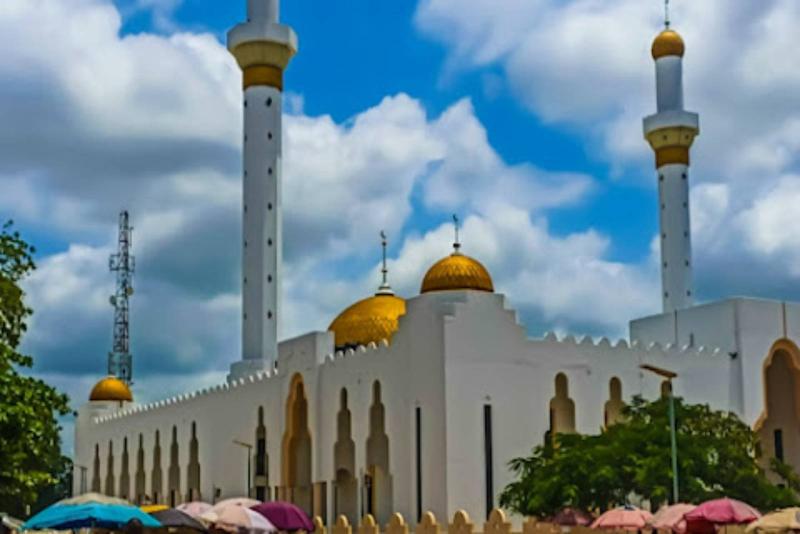
Niger State is a rural and agricultural state. * The people of Niger State are predominantly Muslim and speak Hausa. * The lifestyle in Niger State is simple and traditional. * The people of Niger State are friendly and welcoming. * The food in Niger State is delicious and varied. * The culture of Niger State is rich and vibrant. * The scenery in Niger State is stunning. If you are looking for an authentic African experience, then Niger State is the place for you.
WHAT TO EXPECT
Here are some things to expect from Niger State: * A diverse population: Niger State is home to a diverse population of over 4 million people, including Hausa, Fulani, Nupe, Gwari, and Yoruba. * A rich history and culture: Niger State is a beautiful and diverse state with a rich history and culture. The state is home to a number of important historical sites, including the ancient city of Bida and the Kainji Dam. Niger State is also home to a number of natural attractions, including the Gurara Falls and the Borgu Game Reserve. * A developing economy: Niger State is a relatively poor state, with a Human Development Index of 0.482. The state faces a number of challenges, including poverty, illiteracy, and insecurity. However, Niger State is also a land of opportunity, with a young and growing population. The state has a number of development initiatives underway, including the construction of new roads, schools, and hospitals. Here are some specific things you might experience in Niger State: * The people of Niger State are known for their hospitality. You will likely be welcomed with open arms and offered food and drink. * The food in Niger State is delicious. You will find a wide variety of dishes to choose from, including Hausa, Fulani, Nupe, Gwari, and Yoruba cuisine. * The culture of Niger State is rich and vibrant. You will be able to experience a variety of traditional festivals, dances, and music. * The scenery in Niger State is stunning. You will find a variety of landscapes to explore, including mountains, forests, and deserts. Niger State is a beautiful and diverse state with a lot to offer visitors. If you are looking for an authentic African experience, then Niger State is the place for you.
THE NEIGHBOURS
The neighbors of Niger State in Nigeria are: * Kebbi State to the north * Kwara State to the south * Kogi State to the southwest * Federal Capital Territory (FCT) to the east * Republic of Benin to the west