Mashegu
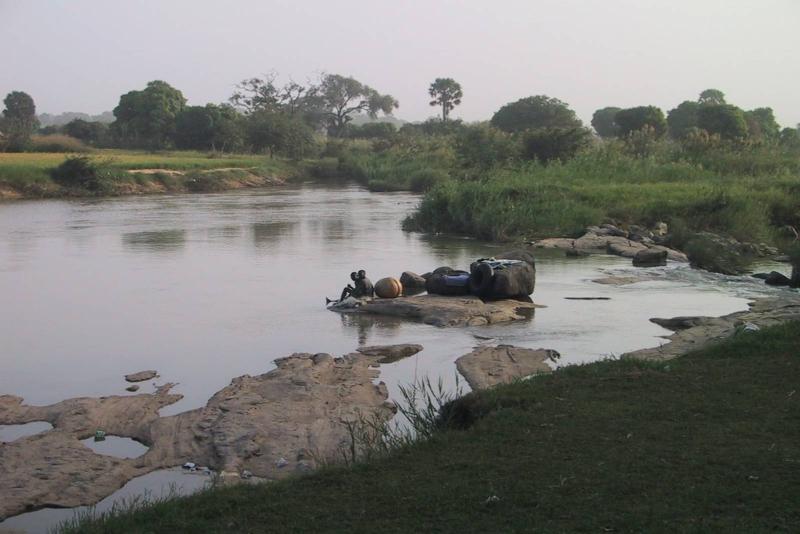
Mashegu is a Local Government Area in Niger State, Nigeria. Its headquarters are in the town of Mashegu in the east of the area. Mashegu is bounded by the Niger River in the west and the Kaduna River in the northeast. It has an area of 9,182 km² and a population of 215,022 at the 2006 census.
The main occupation of the people of Mashegu is farming. The main crops grown are maize, millet, sorghum, rice, and groundnuts. The people also raise livestock, such as cattle, goats, and sheep.
The people of Mashegu are mostly Hausa, but there are also significant populations of Fulani and Kamuku. The official language is Hausa, but English is also widely spoken. The main religion in Mashegu is Islam. There are also a small number of Christians.
The main town in Mashegu is Mashegu. It is a small town with a population of about 10,000 people. The town has a market, a mosque, a few schools, and a few hospitals.There are a few other towns in Mashegu, but they are all much smaller than Mashegu.
Mashiegu is a relatively poor area. The people live in simple mud houses and have few possessions. However, the people are friendly and welcoming, and they are always happy to help a stranger.
If you are looking for a place to experience traditional Hausa culture and relax in beautiful surroundings, then Mashegu is the perfect place for you.
Summary
Mashegu is a Local Government Area in Niger State, Nigeria, with its headquarters in the town of Mashegu, located in the east of the area. Covering 9,182 km² and with a population of 215,022 (2006 census), Mashegu is bordered by the Niger and Kaduna Rivers. The primary occupation of the people is farming, growing crops like maize, millet, sorghum, rice, and groundnuts, as well as raising livestock such as cattle, goats, and sheep. The population is mostly Hausa, with Fulani and Kamuku communities, and Islam is the dominant religion. The main town, also called Mashegu, has around 10,000 residents and offers basic amenities like markets, mosques, schools, and hospitals. Despite being a relatively poor area with simple mud houses, the community is known for its warmth and hospitality. Mashegu is an ideal place to experience traditional Hausa culture and enjoy peaceful surroundings.
Photos
Sponsored Properties
Side Attraction
YOU'LL FALL IN LOVE WITH
Mashegu offers attractions such as natural beauty, an authentic rural experience, a rich cultural heritage, an agricultural lifestyle, and local markets. Visitors can enjoy the serene countryside, engage with the local culture and customs, witness traditional farming practices, and explore bustling markets
THE MARKET
Mashegu, a local government area in Niger State, Nigeria, is likely to have a local market where residents engage in buying and selling various goods. These markets offer a range of products, including fresh produce, clothing, and household items. They serve as economic hubs and social gathering places for the community
THE LIFESTYLE
Mashegu is a local government area in Niger State, Nigeria. The lifestyle in Mashegu is influenced by the predominant Hausa-Fulani culture and revolves around agriculture, particularly farming and livestock rearing. The community follows Islamic customs and traditions, with mosques serving as important religious and community centers. Mashegu is a rural area with limited access to amenities and infrastructure, but efforts have been made to improve services. For the most accurate and current information, consulting local sources or recent reports is recommended
WHAT TO EXPECT
When visiting Mashegu, Niger State, you can expect a rural environment with a focus on agriculture, including crops like millet, sorghum, maize, and livestock rearing. The community is influenced by the Hausa-Fulani culture, with warm and friendly locals who follow Islamic customs. Amenities may be limited, so it's advisable to plan accordingly. The area offers natural beauty and potential for outdoor activities. For the most accurate information, consult local resources
THE NEIGHBOURS
Mashegu, located in Niger State, Nigeria, shares its borders with neighboring local government areas such as Wushishi to the west, Rijau to the north, Mariga to the east, and Agaie to the south. These areas are primarily rural and known for their agricultural activities, with farming and livestock rearing being prominent economic pursuits