Tafa
Tafa is a local government area in Niger State, Nigeria. It is located to the north of Suleja and shares a boundary with the Federal Capital Territory (FCT), Abuja. Here is some information about Tafa:
Tafa is situated in the northern part of Niger State, bordering the Abuja Municipal Area Council of the Federal Capital Territory. It is approximately 30 kilometers away from Abuja and about 20 kilometers from Suleja. Tafa spans across both urban and rural areas, with a mix of settlements and agricultural land.
Tafa is an autonomous local government area in Niger State. It has its own local government council responsible for the administration and governance of the area. The council is headed by an elected chairman and councillors who represent different wards within Tafa.
Tafa has a significant agricultural sector due to its fertile soil and favourable climatic conditions. The area is known for its agricultural production, including crops such as maize, millet, yam, and vegetables. Farming activities play an important role in the economy and livelihoods of the residents.
Tafa is made up of several towns and villages. Some of the major settlements within the local government area include Zuba, Tafa, Gurara, Chachanga, Gidan Madi, and Wushishi. These communities are primarily engaged in farming, trading, and other small-scale businesses.
Tafa has seen some infrastructural development in recent years, although there may still be challenges in terms of access to basic amenities and services in some areas. Efforts are being made to improve road networks, water supply, and electricity infrastructure to enhance the quality of life for residents.
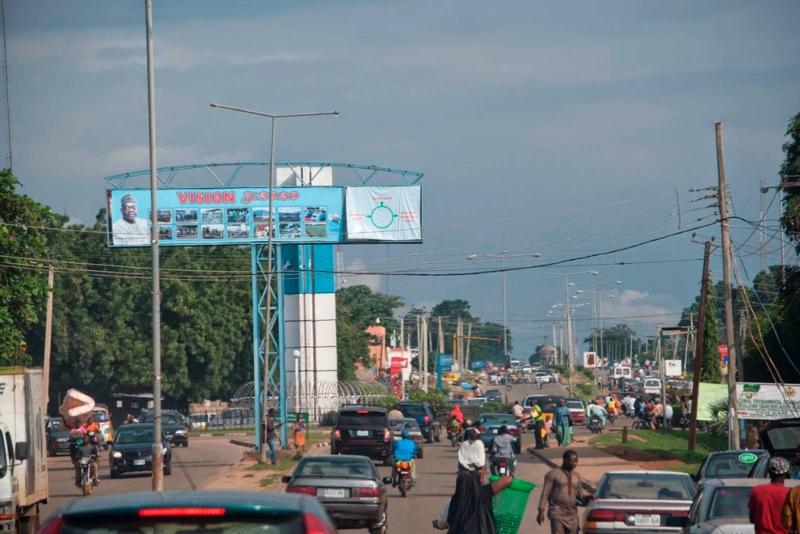
Tafa is well-connected to nearby cities and towns through road networks. It is located along the major highway that links Abuja to Suleja and other northern parts of Nigeria. Public transportation, such as buses and taxis, is available for commuting within and outside the local government area.
Tafa, like other areas in Niger State, is home to diverse ethnic groups, including the Gwari and Gbagyi. The cultural traditions and customs of these communities are preserved and celebrated through festivals, ceremonies, and traditional practices.
Tafa has many educational institutions, including primary and secondary schools, providing access to education for the local population. While there may be a need for further development in this area, efforts are being made to improve educational facilities and opportunities.
Tafa is located close to Abuja, which offers various tourist attractions and landmarks. The proximity to the capital city provides opportunities for Tafa residents to explore and benefit from the tourism industry in the region.
Overall, Tafa is a local government area in Niger State that combines both rural and urban characteristics. Its agricultural activities, cultural heritage, and proximity to Abuja contribute to its economic and social dynamics.
Summary
Tafa is a local government area in Niger State, Nigeria, located just 30 kilometers from Abuja and 20 kilometers from Suleja. It is an area with a mix of rural and urban settlements, including towns like Zuba, Tafa, and Gurara, and is primarily known for its agricultural activities, such as the cultivation of maize, millet, and yam. The area is home to diverse ethnic groups, including the Gwari and Gbagyi, who celebrate their cultural traditions through festivals. Tafa is well-connected to surrounding areas by major roads, and infrastructure improvements are ongoing to enhance the quality of life for its residents. Its proximity to Abuja also offers residents opportunities to engage with the capital's economic and tourism sectors.
Photos
Sponsored Properties
Side Attraction
YOU'LL FALL IN LOVE WITH
Whether it's the scenic beauty, friendly community, cultural experiences, outdoor activities, agricultural aspects, or the opportunity to explore nearby attractions, Tafa offers a unique and appealing experience that might align with your preferences and interests.
THE MARKET
The market in Tafa, Niger, offers a vibrant atmosphere, diverse goods, cultural experiences, and an opportunity to connect with the local community. If you're seeking fresh produce, unique crafts, or an authentic Nigerian market experience, Tafa market is a place you're likely to enjoy.
THE LIFESTYLE
The lifestyle in Tafa is primarily influenced by its rural setting and agricultural economy. Here are some aspects that reflect the lifestyle in Tafa: 1. Agricultural Focus: Agriculture plays a significant role in the lifestyle of Tafa residents. Many people are engaged in farming activities, cultivating crops such as maize, millet, yam, and vegetables. The agricultural calendar and the seasons often dictate the rhythm of life, with planting and harvesting periods being important events. 2. Close-Knit Community: Tafa has a close-knit community where people often know their neighbors and maintain strong social connections. The community spirit is evident in the way people come together for community events, celebrations, and support during times of need. This sense of community fosters a supportive and friendly environment. 3. Traditional Culture and Customs: The Gwari and Gbagyi ethnic groups are prominent in Tafa, and their cultural traditions and customs are observed and celebrated. Traditional practices, music, dance, and festivals are an integral part of the lifestyle, offering a glimpse into the rich cultural heritage of the area. 4. Relaxed Pace of Life: Compared to urban centers, Tafa offers a more relaxed and laid-back lifestyle. The rural environment and slower pace of life provide an opportunity for residents to enjoy a calmer and less hectic lifestyle. This can be appealing for those seeking a break from the fast-paced city life. 5. Community Engagement: Tafa residents actively participate in community activities and decision-making processes. Community meetings, town hall gatherings, and traditional leadership structures contribute to the involvement of residents in shaping the local lifestyle and addressing communal issues. 6. Proximity to Urban Amenities: While Tafa is primarily rural, its proximity to Abuja and other neighboring towns offers opportunities for accessing urban amenities and services. Many residents commute to nearby urban centers for work, education, healthcare, and shopping, providing a mix of rural and urban influences in their lifestyle. 7. Appreciation for Nature: Tafa's natural beauty and surrounding countryside instill an appreciation for nature among residents. The availability of outdoor spaces and scenic landscapes often encourages activities such as nature walks, picnics, and other forms of outdoor recreation. 8. Strong Family Values: Family plays a central role in the lifestyle of Tafa residents. Strong family bonds
WHAT TO EXPECT
When visiting or residing in Tafa, here are some things you can expect: 1. Rural Setting: Tafa is primarily a rural area with a mix of small towns and villages. Expect to encounter agricultural landscapes, open spaces, and a relatively slower pace of life compared to urban centers. 2. Agriculture: Tafa has a significant agricultural sector, and you can expect to see farmlands cultivating crops such as maize, millet, yam, and vegetables. The area's fertile soil and favorable climate contribute to agricultural activities and a reliance on farming as a source of livelihood. 3. Natural Beauty: Tafa is known for its natural beauty, with scenic landscapes and countryside views. The area may offer opportunities for outdoor activities such as nature walks, hiking, and exploration of nearby natural attractions. 4. Cultural Heritage: Tafa is home to diverse ethnic groups, including the Gwari and Gbagyi, each with their own cultural traditions and practices. You can expect to experience aspects of their cultural heritage through festivals, ceremonies, and local customs. 5. Community Life: Tafa has a close-knit community, and you can expect to encounter a warm and friendly atmosphere. Residents often maintain strong social connections, and community events and gatherings are common. 6. Basic Amenities: While Tafa may have access to basic amenities such as healthcare centers, schools, and markets, the level of infrastructure and services may vary. It's advisable to plan for any specific needs in advance or utilize neighboring areas for additional facilities. 7. Proximity to Abuja: Tafa's location near the Federal Capital Territory (FCT) Abuja offers opportunities for accessing the amenities, services, and employment opportunities available in the capital city. Many residents of Tafa commute to Abuja for work or other purposes. 8. Quiet and Peaceful Environment: Tafa's rural setting provides a tranquil and peaceful environment. If you prefer a less crowded and quieter atmosphere, Tafa can offer a refreshing change from the hustle and bustle of urban areas. 9. Potential for Tourism: Tafa's proximity to natural attractions and neighboring cities like Abuja creates the potential for tourism development. As the region develops, there may be opportunities for eco-tourism initiatives and the exploration of local attractions. It's important to note that Tafa is primarily a rural area, and as such, some services and facilities may be limited compared to more urbanized regions.
THE NEIGHBOURS
Tafa, being a local government area in Niger State, Nigeria, shares boundaries with several neighboring areas. Here are some of the major neighboring towns, cities, and local government areas near Tafa: 1. Abuja Municipal Area Council (AMAC): Tafa shares a boundary with the Abuja Municipal Area Council, which is a local government area in the Federal Capital Territory (FCT), Abuja. This proximity to the FCT makes Tafa closely connected to the capital city. 2. Suleja: Tafa is located to the south of Suleja, another major city in Niger State. Suleja is known for its vibrant markets, economic activities, and its status as part of the Abuja Metropolitan Area. It serves as a neighboring city to Tafa and offers various services and amenities. 3. Gurara Local Government Area: Gurara is a neighboring local government area in Niger State, situated to the north of Tafa. It is known for its agricultural activities and natural attractions such as the Gurara Falls. Gurara shares a boundary with Tafa, contributing to the overall socio-economic dynamics of the region. 4. Gwagwalada: Gwagwalada is a town and local government area in the Federal Capital Territory (FCT). It is located to the southeast of Tafa. Gwagwalada is known for hosting the University of Abuja and has a mix of urban and rural areas. 5. Chachanga: Chachanga is a local government area in Niger State, located to the west of Tafa. It is known for its agricultural activities and is home to various communities and settlements. 6. Lapai: Lapai is another neighboring local government area in Niger State, situated to the northwest of Tafa. It is known for hosting Ibrahim Badamasi Babangida University (IBBU) and has an agricultural-based economy. These are some of the major neighboring areas of Tafa. Each of these towns, cities, and local government areas contributes to the economic, social, and cultural dynamics of the region and may share various connections and interactions with Tafa.