Magama
Magama is a Local Government Area in Niger State, Nigeria. Its headquarters are in the town of Nasko in the west of the area. It has an area of 4,107 km² and a population of 181,653 at the 2006 census. The postal code of the area is 923.
The majority of the people in Magama are Hausa, with a minority of Fulani. The main language spoken is Hausa. The people of Magama are mostly farmers, with a small minority of traders and herders. The main crops grown are maize, millet, sorghum, rice, and vegetables.
The main town in Magama is Nasko. Nasko is a small town with a population of about 10,000 people. The town has a market, a few shops, and a few mosques and churches. There is also a primary school and a secondary school in Nasko.
The main road through Magama is the A2 road, which connects Abuja to Kano. There are also a few minor roads that connect the town of Nasko to the surrounding villages.
The main tourist attractions in Magama are the Nasko Hills and the Nasko River. The Nasko Hills are a range of hills that rise to a height of about 1,000 meters. The Nasko River is a tributary of the Niger River.
Magama is a relatively peaceful area, with a low crime rate. The people of Magama are friendly and welcoming, and they are always happy to help visitors.
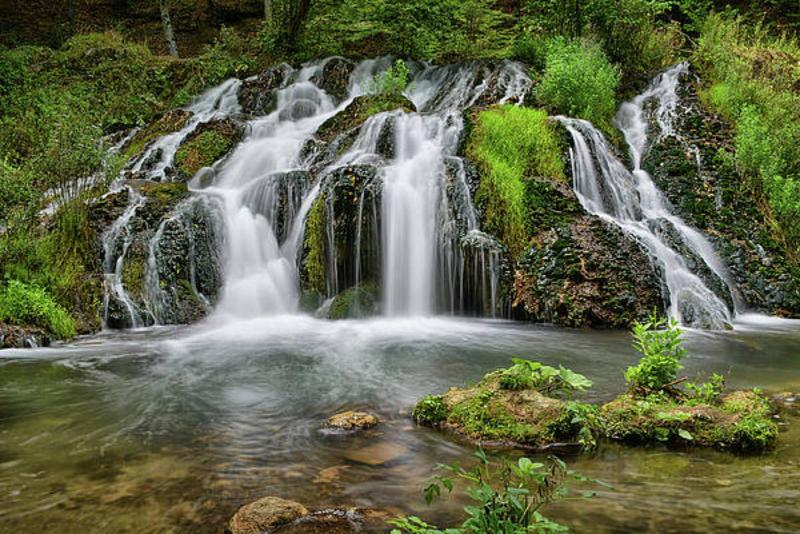
If you are looking for a place to relax and enjoy the peace and quiet, Magama is the perfect place for you. The area is home to some stunning scenery, and the people are friendly and welcoming.
Summary
Magama is a Local Government Area in Niger State, Nigeria, with its headquarters in Nasko, a town with about 10,000 residents. Covering 4,107 km² and with a population of 181,653 (2006 census), Magama is predominantly home to the Hausa people, with a minority of Fulani. Agriculture is the main economic activity, with crops like maize, millet, sorghum, rice, and vegetables being grown. The region is connected by the A2 road, linking Abuja to Kano. Notable attractions include the Nasko Hills, rising to about 1,000 meters, and the Nasko River, a tributary of the Niger River. Magama is peaceful, with a low crime rate and a welcoming, friendly community, making it a serene place for relaxation and nature appreciation.
Photos
Sponsored Properties
Side Attraction
YOU'LL FALL IN LOVE WITH
*Warm and welcoming people * Stunning scenery * Historical and cultural sites * Traditional Hausa culture * Relaxing and affordable travel destination If you're looking for a unique and unforgettable travel experience, Magama is the perfect place for you.
THE MARKET
*The market is a lively and colorful place where you can find all sorts of goods, from fresh produce to traditional handicrafts. * The market is open every day, but it is busiest in the morning. * The best time to visit is early in the day, before the heat of the day sets in. * You can find all sorts of interesting things at the market, such as fresh fruits and vegetables, meat, fish, spices, and traditional handicrafts. * The market is a great place to bargain. * If you are looking for a unique and authentic travel experience, be sure to visit the market of Magama.
THE LIFESTYLE
*The people of Magama are mostly farmers and herders. * The pace of life is slow and relaxed. * There is a strong sense of community. * The people are warm and welcoming. * There are a number of historical and cultural sites to see. * There are also a number of markets and shops where you can buy traditional Hausa souvenirs and handicrafts. * If you are looking for a relaxing and authentic travel experience, Magama is the perfect place for you.
WHAT TO EXPECT
Magama is a local government area in Niger State, Nigeria. It is located in the central part of the state, and is bordered by the following local government areas: * Rafi * Mariga * Munya * Shiroro * Borgu * Kwara State, Nigeria * Sokoto State, Nigeria Magama is a predominantly rural area, with a population of about 150,000 people. The majority of the population are Hausa, with a significant minority of Fulani. The main language spoken in Magama is Hausa. The economy of Magama is based on agriculture, with the main crops being millet, sorghum, and rice. There is also some livestock farming, and a small amount of mining. Magama is home to a number of historical and cultural sites, including the following: * The Gidan Malamai (House of the Scholars), a traditional Hausa compound that was built in the 18th century. * The Magama Dam, a reservoir that was built in the 1970s. * The Magama Rock, a natural formation that is a popular tourist destination. Magama is a relatively peaceful and safe area, and is a good place to experience traditional Hausa culture. However, it is important to be aware of the security situation in the wider region, and to take precautions against crime. Here are some things you can expect from Magama, Niger State: * A warm and welcoming people * A rich culture and history * Stunning scenery * A variety of activities and attractions If you're looking for a unique and unforgettable travel experience, Magama is the perfect place for you.
THE NEIGHBOURS
The neighbors of Magama, Niger State are: * Rafi * Mariga * Munya * Shiroro * Borgu * Kwara State, Nigeria * Sokoto State, Nigeria