Ilorin
Ilorin is the capital city of Kwara State, Nigeria. It is located in the western part of the country and is the sixth-largest city in Nigeria. The city serves as a major political, economic, and cultural hub in the North-Central region of Nigeria, bridging the northern and southern parts of the country.
History and Cultural Significance
Ilorin has a rich historical background, having been originally founded by the Yoruba people as a military outpost in the 18th century. It later became a center of Islamic learning and scholarship, influenced by Fulani and Hausa settlers. The city played a significant role in the spread of Islam in the region and became an important emirate under the Sokoto Caliphate. Today, it is home to several Islamic institutions of higher learning, including the International Institute of Islamic Studies.
Ilorin is known for its strong educational sector, with some of Nigeria’s most prestigious institutions located in the city. The University of Ilorin (UNILORIN) is one of the leading universities in Nigeria, recognized for its academic excellence and stable academic calendar. Other notable institutions include the Kwara State Polytechnic, Al-Hikmah University, and Landmark University (located nearby). These institutions contribute to Ilorin’s reputation as a center for education and research.
Ilorin's economy is diverse, with activities in agriculture, trade, manufacturing, and education. The city is a commercial hub where agricultural products such as yam, cassava, rice, and maize are traded. The Asa Dam provides irrigation for farming and supports food production.
Additionally, Ilorin has a growing industrial sector, with factories involved in textiles, furniture production, and food processing. The Ilorin International Airport also boosts economic activities by facilitating trade and transportation.
Ilorin is a melting pot of cultures, with a mix of Yoruba, Fulani, Hausa, Nupe, and other ethnic groups. Islam is the dominant religion, and the city is home to many mosques and Islamic scholars. However, Christianity and traditional religions are also practiced. The Ilorin Emirate, led by the Emir of Ilorin, plays a central role in maintaining cultural heritage and Islamic traditions.
The city boasts several cultural and historical attractions, including:
- Emir’s Palace – A historical palace symbolizing Ilorin’s traditional leadership.
- Dada Pottery – One of the oldest pottery-making communities in Nigeria.
- Sobi Hill – A popular natural landmark offering panoramic views of the city.
- Esie Museum – Home to Nigeria’s largest collection of stone figures.
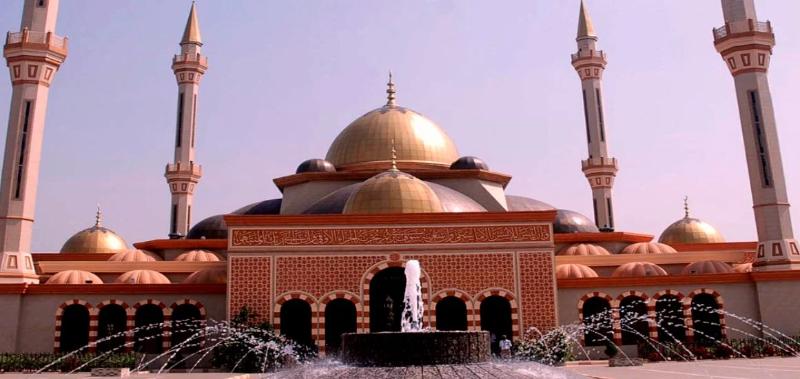
- Ilorin Central Mosque – A prominent place of worship and Islamic learning.
Ilorin has seen significant infrastructural development in recent years, with improved road networks, modern markets, shopping malls, and healthcare facilities. The city continues to expand as an important commercial and administrative center in Nigeria.
Active Listings in Ilorin

 5 Beds
 Toilets

Summary
Ilorin, the capital of Kwara State, is a historical and cultural city known for its Islamic heritage, educational institutions, and economic activities. It is a key center for learning, trade, and agriculture, with a diverse population and a blend of Yoruba, Fulani, and Hausa influences. With ongoing infrastructural development and a rich cultural legacy, Ilorin remains an important city in Nigeria’s North-Central region.
Photos
Sponsored Properties
Side Attraction
YOU'LL FALL IN LOVE WITH
Ilorin is a vibrant and dynamic city with a rich history and culture, offering visitors a unique blend of tradition and modernity. Whether you are interested in history, education, nature, hospitality, or food, Ilorin has something to offer that will make your visit worthwhile.
THE MARKET
The city is also known for its vibrant markets, such as the Oja Oba market and the Ipata market, where visitors can find a wide range of goods and local crafts.
THE LIFESTYLE
The lifestyle of the people of Ilorin is a blend of tradition and modernity, with a strong emphasis on education, family, community, and religion. The city offers a vibrant and dynamic way of life, with something to suit the interests of a wide range of people.
WHAT TO EXPECT
The city has a number of landmarks and attractions, including the Emir's Palace, the Ilorin Central Mosque, and the Sobi Hill, which is a popular hiking and sightseeing destination.
THE NEIGHBOURS
Ilorin is a melting pot of different cultures and religions, with a diverse population that includes people of Yoruba, Fulani, and Hausa ethnicities.