Kwara
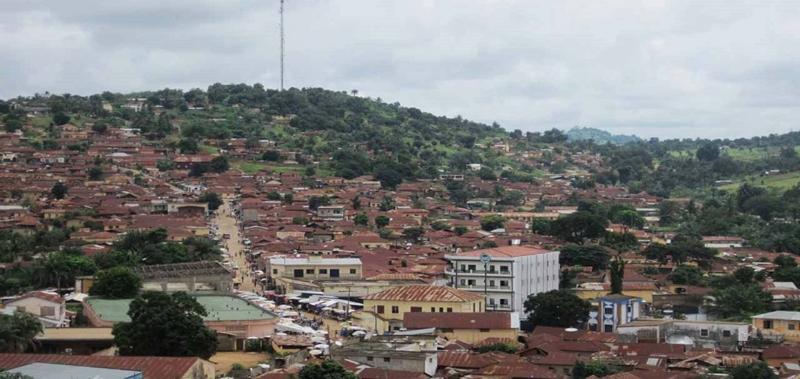
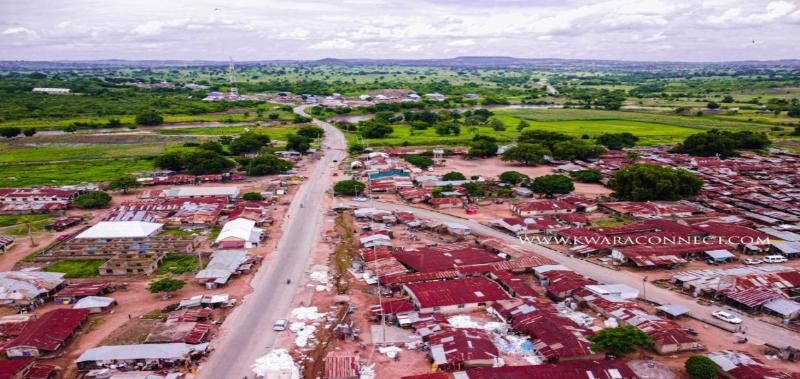
Kwara State is located in the North Central region of Nigeria and was created on May 27, 1967. Its capital, Ilorin, serves as a major economic and cultural center. The state is named after the River Kwara, which flows through its territory, playing a significant role in the region's geography and livelihood.
Kwara State has a diverse population consisting of various ethnic groups, with the Yoruba being the predominant group. Other significant ethnic communities include the Nupe, Baruba, and Fulani. The state's people are known for their rich traditions, cultural heritage, and hospitality.
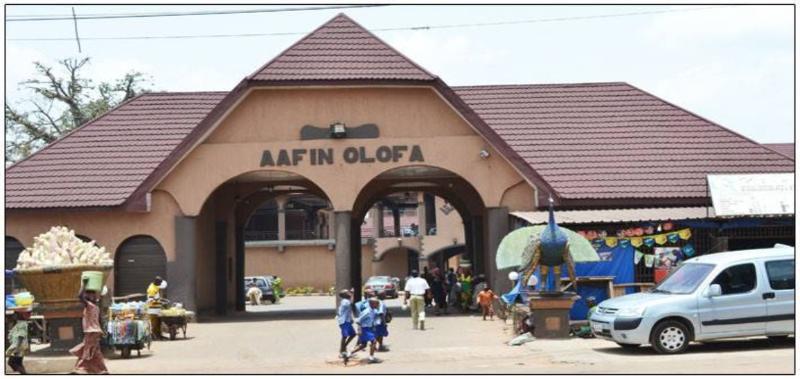
Economically, Kwara State thrives in agriculture, trade, and industrial activities. The state's fertile land supports the cultivation of crops such as cassava, rice, maize, and yams, while livestock farming is also a key sector. Ilorin is home to several manufacturing industries, including food processing, textiles, and furniture production. The state's government has been actively promoting investment in various sectors, including tourism and technology.
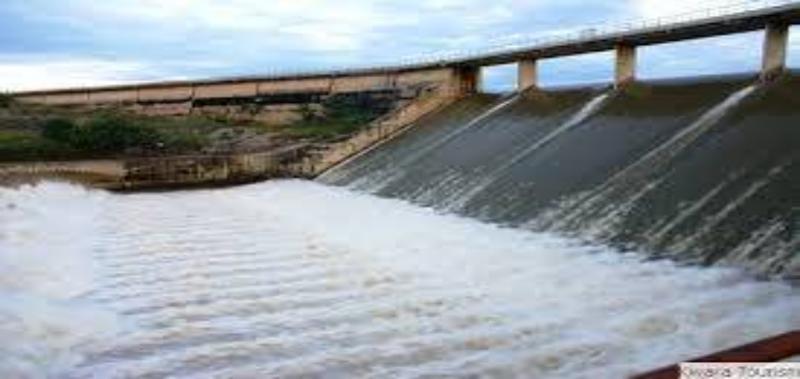
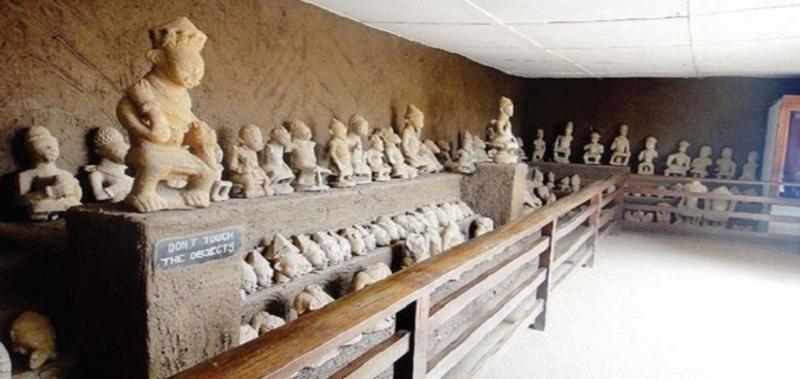
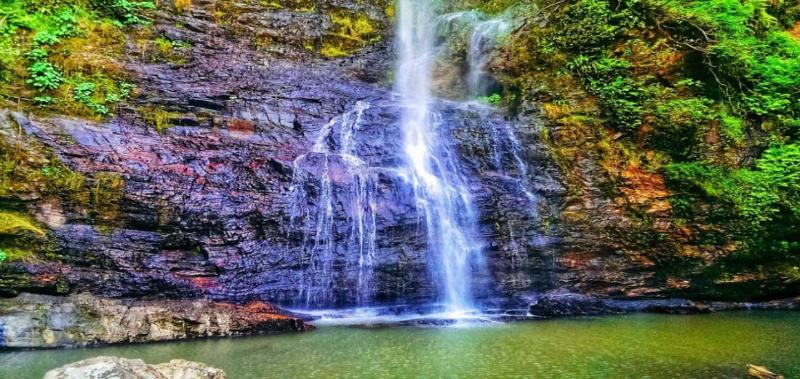
Kwara is also known for its numerous tourist attractions. The Esie Museum, located in Esie town, houses the largest collection of soapstone figures in Africa, believed to be over 800 years old. Other attractions include the Owu Falls, one of Nigeria’s highest waterfalls, which offers breathtaking scenery and serves as a major destination for eco-tourism. The Imoleboja Rock Shelter, a naturally formed rock cave, and the Sobi Hills, known for their historical and spiritual significance, are also popular sites.
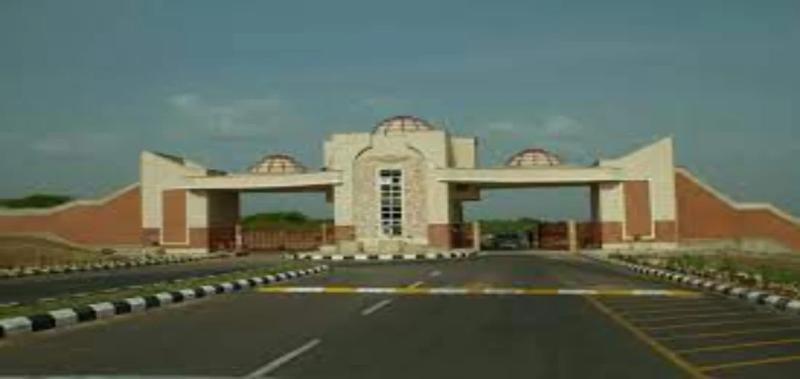
The state is home to several higher institutions, including the University of Ilorin, one of Nigeria’s most prestigious universities, known for its academic excellence and uninterrupted academic calendar. Other institutions include the Kwara State Polytechnic, Al-Hikmah University, and the Kwara State University.
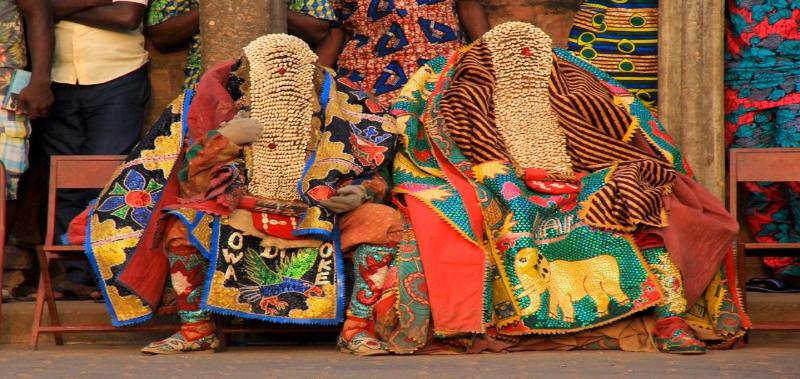
Culturally, Kwara State is known for its vibrant festivals, traditional music, and dances. The Ilorin Emirate Durbar, an annual horse-riding festival showcasing the region's rich Islamic heritage, is a major highlight. The state's traditional cuisine includes popular dishes such as Amala and Gbegiri, a staple among the Yoruba people.
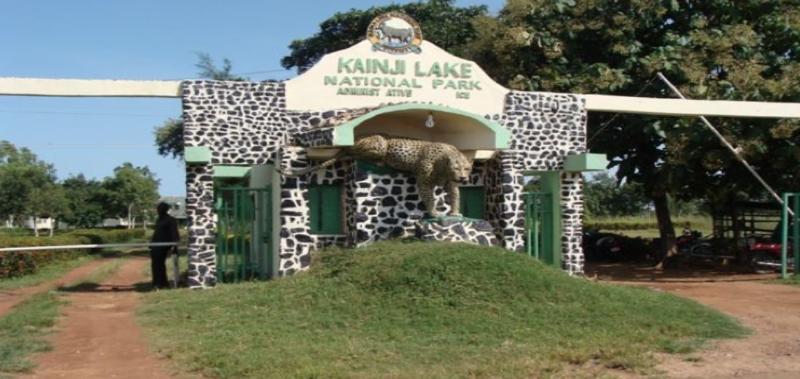
Active Listings in Kwara



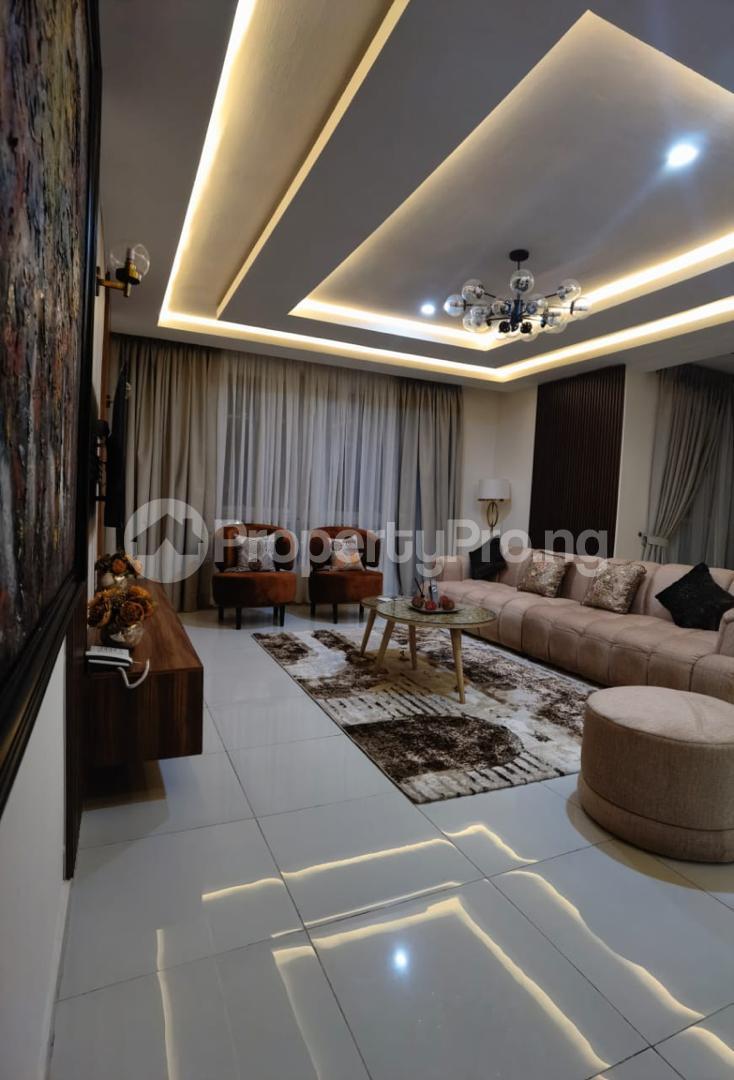
Standard 2 Bedroom Flat Available At Gra Area. Ilorin
Gra Ilorin Kwara
 2 Beds
 Toilets
₦ 1,000,000/year
View this listingReal Estate Agents
Real Estate Agents
Real Estate Agents
Summary
Kwara State, located in North Central Nigeria, was created on May 27, 1967, with Ilorin as its capital. Named after the River Kwara, the state has a diverse population, predominantly Yoruba, alongside Nupe, Baruba, and Fulani communities. Its economy is driven by agriculture, trade, and industry, with key crops including cassava, rice, and maize.
Kwara is rich in tourist attractions, such as the Esie Museum, Owu Falls, and Sobi Hills. It is also home to notable institutions like the University of Ilorin. Culturally, the state is known for festivals like the Ilorin Emirate Durbar and traditional Yoruba cuisine.
Photos
Sponsored Properties
Side Attraction
YOU'LL FALL IN LOVE WITH
You might love Kwara State for its rich cultural heritage and beautiful landscapes, its educational opportunities, delicious food, friendly people, and sports and recreation.
THE MARKET
The state is known for its agricultural resources, including crops such as cassava, yam, maize, rice, and groundnut. The state also has mineral resources, including gold, limestone, and marble.
THE LIFESTYLE
Kwara State has a vibrant sports scene, with many sports facilities and events throughout the year. The state is also home to the Kwara State Stadium, which hosts many sporting events.
WHAT TO EXPECT
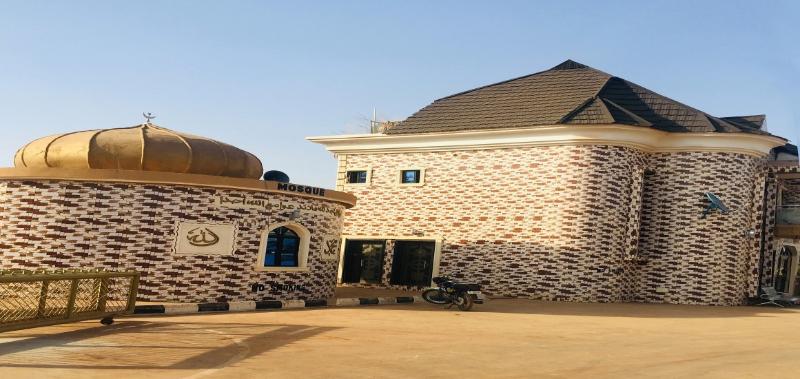
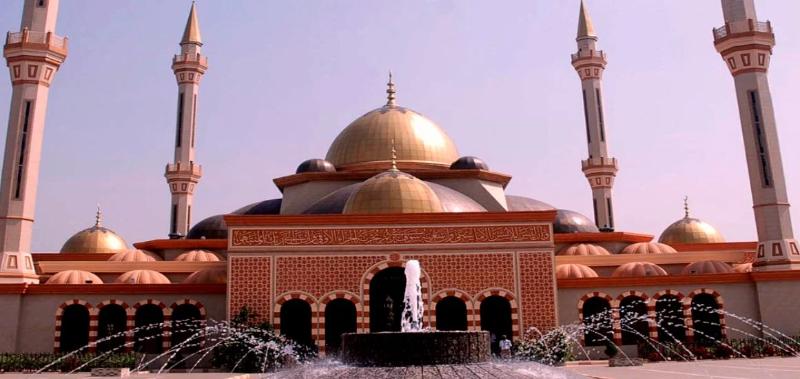
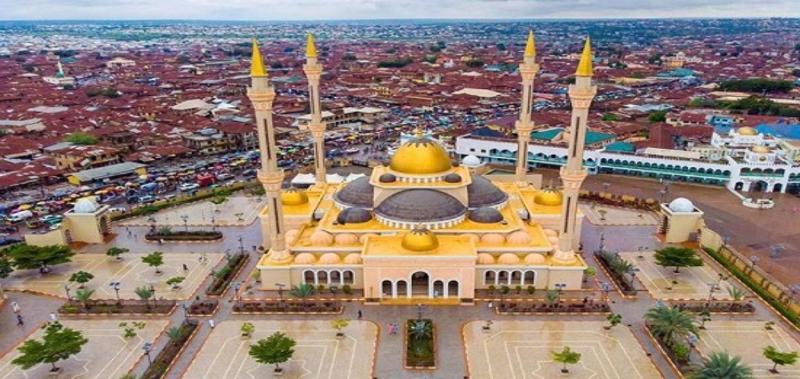
Kwara State is home to a diverse range of ethnic groups, each with their own unique cultures and traditions. The state has a rich history, and there are many historic and cultural landmarks to explore, such as the Esie Museum and the Ilorin Central Mosque.
THE NEIGHBOURS
Kwara State has a population of over 3 million people, and the major ethnic groups are the Yoruba, Fulani, and Nupe. The people of Kwara State are known for their hospitality and friendliness. They are welcoming to visitors and are always happy to share their culture and traditions with others.