Moro
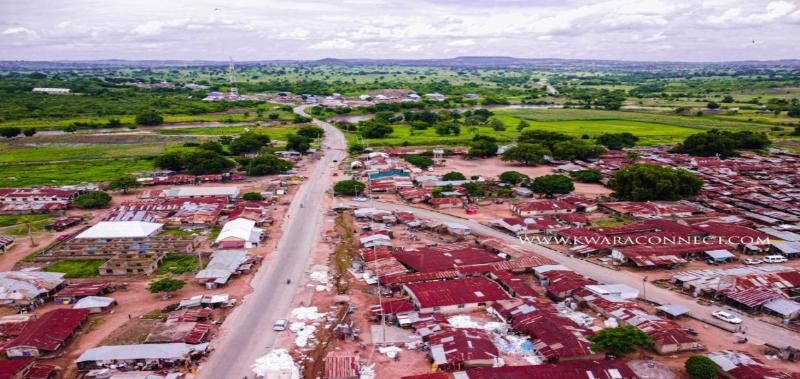
Moro is a local government area in Kwara State, Nigeria. It is located in the north-central part of the state and covers a total land area of approximately 1,654 square kilometers. The area is home to several towns and villages, including Bode Saadu, Gwanara, and Kaiama, among others. The people of Moro are predominantly from the Nupe, Yoruba, and Fulani ethnic groups. The LGA is known for its rich cultural heritage, with traditional festivals, music, and folklore playing an essential role in the community.
Summary
Moro LGA is an important agricultural and commercial area in Kwara State, known for its fertile land, diverse culture, and economic potential. With Bode Saadu as its administrative headquarters, the region continues to develop its education, infrastructure, and trade sectors, contributing to the overall progress of the state.
Photos
Sponsored Properties
Side Attraction
YOU'LL FALL IN LOVE WITH
You would love the sense of community which the people have and the beautiful scenery of the area.
THE MARKET
Moro is known for its agricultural production, with crops such as yams, cassava, and maize being major staples. The area is also home to several livestock farms, including poultry, cattle, and goats.
THE LIFESTYLE
The lifestyle in Moro is generally characterized by a strong sense of community, a connection to the land and the environment, and a deep respect for traditional customs and values. While life in Moro can be challenging at times, the people of the area have a deep appreciation for the natural world and a strong sense of cultural pride and identity.
WHAT TO EXPECT
The area has a rich cultural heritage, and traditional customs and festivals are an important part of the local culture. The Bode Saadu Durbar, which is held annually, is one such festival that showcases the area's unique traditions.
THE NEIGHBOURS
The people of Moro are a diverse and welcoming community with a rich cultural heritage and a strong connection to the land. Their focus on agriculture and small-scale business reflects a deep connection to the local economy and the environment, and their cultural traditions continue to be an important part of their identity and way of life.