Everything You Need to Know About a Duplex in Nigeria (Updated 2026)
Everything you need to know about buying or building a duplex in Nigeria in 2026: real prices by city, construction costs, key differences from…
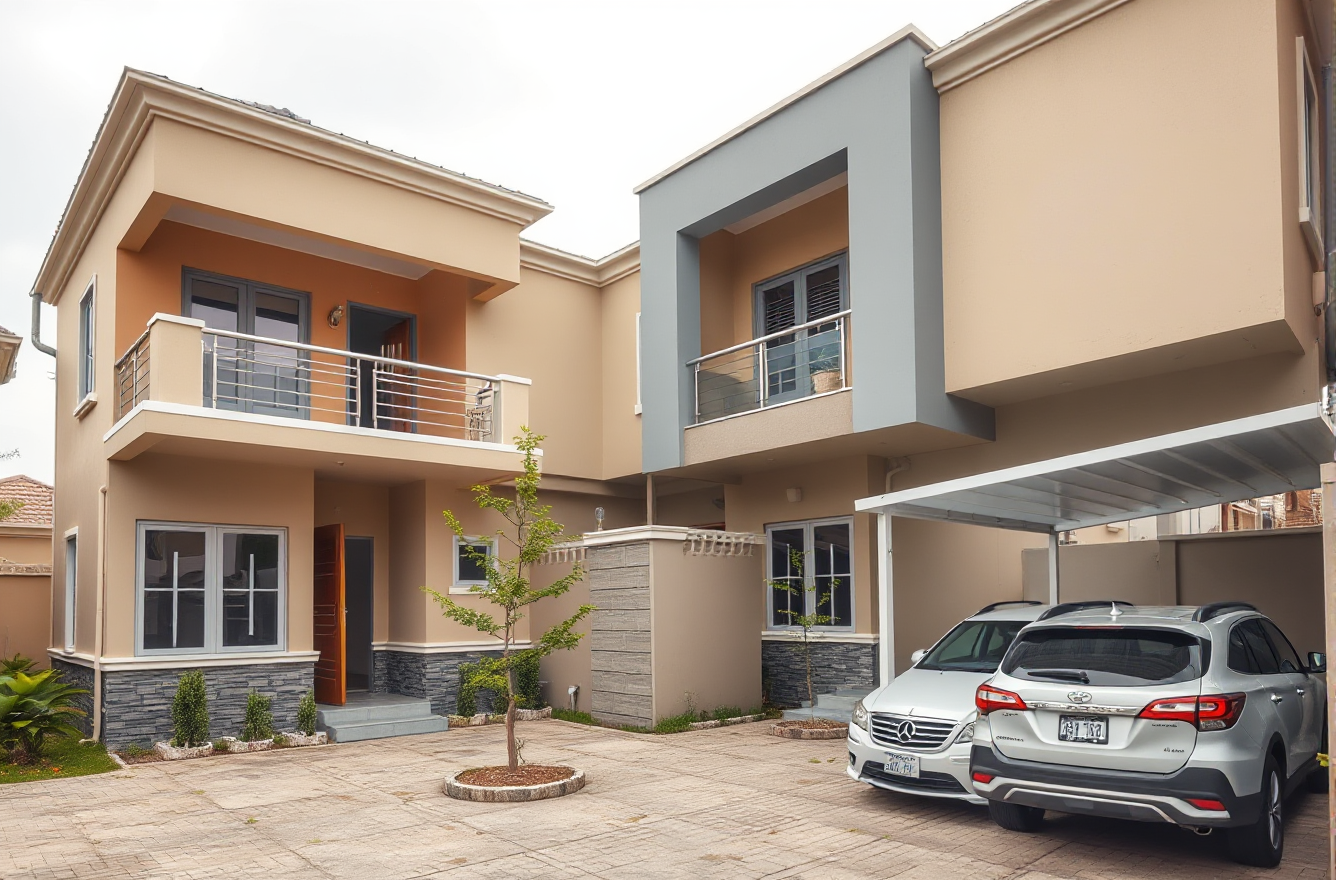
If you’ve searched for “duplex houses” online, you’ve probably seen conflicting definitions — some describing duplexes as two-family units with separate apartments stacked on top of each other, others calling them single-family two-storey homes. In Nigeria, the answer is clear: a duplex is a single-family, two-storey standalone house.
This is one of the most misunderstood terms in Nigerian real estate, and it’s exactly why so many buyers make costly assumptions before ever stepping into a viewing.
In this guide, we break down everything you need to know about duplex houses in Nigeria — from what they actually are to current prices across Lagos and Abuja (2026), construction costs, key differences from bungalows and terraces, and practical advice for first-time buyers.
What is a Duplex? The Nigerian Definition
In the UK and US, a duplex refers to a building containing two separate living units — each floor is an independent apartment that can be rented or owned separately. This is common in urban cities like London, New York, and Toronto.
In Nigeria, however, “duplex” refers to what the rest of the world calls a “detached house.” It’s a standalone two-storey residential building designed for a single family. Every floor is connected internally via a staircase — there are no separate entrances or independent living units.
Key distinction: In Nigeria, if you buy a “duplex,” you’re buying the entire building. It’s not divided between two families. When developers sell “two-family units” in Nigeria, they typically call them “flats,” “apartments,” or “serviced apartments.”
A typical Nigerian duplex layout includes:
- Ground floor: Living room, dining room, kitchen, and sometimes a guest bedroom (often called a “QAC” — Queen’s Apartment Comfort).
- First floor: Master bedroom with en-suite bathroom, 2–3 additional bedrooms (all with en-suite), sitting area, and balcony.
- Exterior: Typically a parking space for 1–2 cars and a boys’ quarters (BQ).
Different Types of Duplex Houses in Nigeria
Ground Duplex
The most popular type in Lagos. A ground duplex is built entirely on the ground floor with no elevated platforms. It has two levels internally (ground floor + first floor) but sits flat on the land.
Common in: Lekki, Ebebe, Ibeju-Lekki, Sangotedo, and most new estates across Lagos.
Elevated Duplex
An elevated duplex is built on a raised plinth or platform (typically 2–4 steps above ground level). The entrance is reached by climbing stairs to the main floor. This style was common in older Lekki Phase 1 and Ikoyi developments.
Common in: Lekki Phase 1, Ikoyi, Victoria Island, Garki, Maitama.
Semi-Detached Duplex
A duplex that shares one wall with a neighboring property. You still have your own entrance and internal layout, but you’re not fully standalone. Popular in gated estates for cost efficiency.
Common in: Abijo, Ajah, Ibeju-Lekki new developments (Eko Atlantic, Haven Estate, etc.).
Terrace Duplex / Detached Terrace
A terrace house built across two storeys. In estate developments, these are often marketed as “duplex terraces” — sharing walls on both sides but with independent internal layouts across two floors.
Duplex Prices in Nigeria (2026)
Pricing varies significantly by location, finishing level, and whether the property is ready-to-move-in or off-plan. Below are current market prices for duplexes in key Nigerian cities.
Note: Prices shown are indicative ranges based on verified listings across PropertyPro and major real estate platforms as of June 2026. Actual prices may vary based on size, finishing, estate, and negotiation.
Lagos Duplex Prices (2026)
- Ajah / Sangotedo / Abijo: ₦80M–₦150M (PropertyPro listings, June 2026)
- Chevron / Ikota / Agungi corridor: ₦120M–₦250M (PropertyPro listings, June 2026)
- Lekki Phase 1: ₦250M+ (PropertyPro listings, June 2026)
- Ibeju-Lekki / Eleko: ₦40M–₦90M (PropertyPro listings, June 2026)
Abuja Duplex Prices (2026)
- Kubwa / Gwarinpa: ₦25M–₦60M (NPC listings, June 2026)
- Wuye / Jabi: ₦40M–₦90M (PropertyPro listings, June 2026)
- Lugbe / Idu: ₦30M–₦70M (NPC listings, June 2026)
- Guzape / Maitama: ₦150M–₦800M+ (NPC listings, June 2026)
Cost of Building a Duplex in Nigeria (2026)
If you own land and want to build, here are the estimated construction costs for a duplex based on current material prices across Nigeria:
Read Next
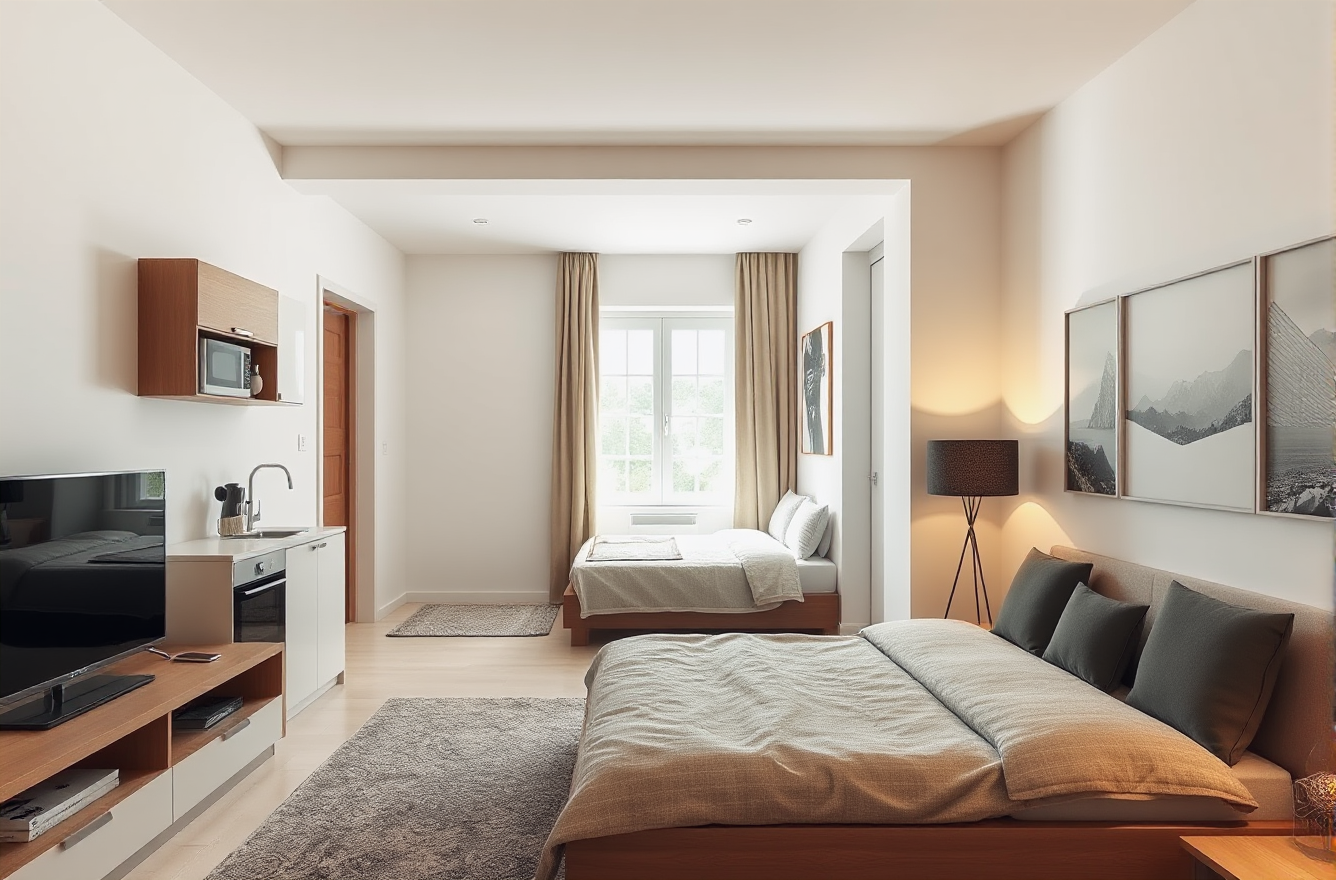
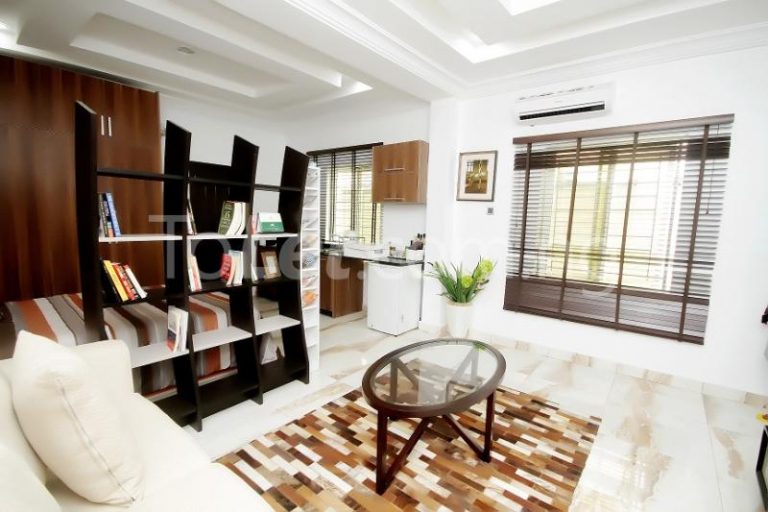 10 Lovely Tips for Designing a Studio Apartments in Lagos
- 3-bedroom duplex (shell & finishing): ₦22.5M–₦42.5M (NigerianPrice.com)
- 4-bedroom duplex: ₦30M–₦57.5M (NigerianPrice.com)
- 5-bedroom duplex: ₦44.5M–₦72M (NigerianPrice.com)
These figures cover the main construction phases — substructure, framing, roofing, wall finishes, flooring, ceiling, plumbing, electrical, and fittings. Land cost is not included. Actual costs depend on your choice of materials (local vs imported), finishing level, accessibility of the plot, and contractor pricing.
Sources: Building cost data sourced from NigerianPrice.com construction price analysis (July 2021 baseline; current rates may be higher due to rising costs). For the most accurate quote, engage a building engineer or quantity surveyor in your target location.
Duplex vs Bungalow: Which is Better?
This is one of the most common debates for Nigerian homebuyers. Here’s an honest comparison:
Duplex Advantages:
- Space efficiency: A duplex uses less land than a bungalow of equivalent floor area — important when land in Lagos costs ₦8 million–₦50 million+ per plot.
- Security: Upper-floor bedrooms are harder to access from the outside compared to a bungalow where every window is at ground level.
- Views and ventilation: First-floor balconies provide better natural light, cross-ventilation, and neighborhood views.
- Curb appeal / status: In Nigeria, a well-finished duplex signals upward mobility and attracts higher rental values (₦3 million – ₦10 million/year depending on location).
Duplex Disadvantages:
- Cost: More expensive than a bungalow due to decking, pillars, beams, and staircase construction requiring significant concrete and steel reinforcement.
- Elder accessibility: Regularly climbing stairs can be inconvenient for elderly family members or those with mobility challenges.
- Maintenance complexity: Two levels mean more surface area to maintain (roof, exterior walls, drainage).
Bungalow advantages that still hold weight: All rooms on one floor (ideal for families with young children or elderly), easier daily movement, and simpler maintenance. A good bungalow in a secure estate can offer more bedroom count than a comparable duplex.
What to Look for When Buying a Duplex
- Verify the title document. The standard is a Certificate of Occupancy (C of O) or Governor’s Consent. Never buy without verified documentation — PropertyPro lists come with C of O in most cases, but always confirm independently.
- Check estate infrastructure. Power supply, road quality, drainage, and security are the differentiators between a good duplex purchase and a costly mistake, especially in developing areas like Ebebe and Ibeju-Lekki.
- Inspect water supply. Lagos duplex buyers often discover too late that their chosen estate has no reliable borehole or municipal water.
- Verify road access. Is the road to the property all-weather? During rainy season, many estates in Ibeju-Lekki and Abijo still struggle with accessibility.
- Compare finished vs off-plan pricing carefully. Off-plan duplexes at ₦80 million may sound affordable, but factor in completion timeline, finishing quality changes, and potential cost escalations over the construction period.
Is a Duplex Worth Buying in 2026?
In Lagos’ prime areas (Lekki Phase 1, Ikoyi, Victoria Island), duplexes have historically appreciated at 10–25% annually, particularly in developments close to new infrastructure like the Lekki-Epe Expressway extensions and the ongoing port-driven commercial expansion.
Rental yields from well-located duplexes range between ₦3 million and ₦10 million per year depending on finish quality, location, and furnishing. Diaspora Nigerians continue to drive demand for completed, turnkey duplexes in Lekki and Ibeju-Lekki.
Bottom line: A duplex is a sound property purchase if you buy in a developed or fast-developing corridor with verified title documents, reliable estate infrastructure, and proximity to commercial growth (like the Lekki-Epe free trade zone).
Frequently Asked Questions
Is a “ground duplex” different from a regular duplex?
A ground duplex is built flat on the land without elevation. A standard elevated duplex sits on a raised platform. Both are two-storey single-family homes.
How much does a 3-bedroom duplex cost in Lekki?
₦120 million to ₦250 million for mid-range estates along the Chevron-Ikota-Agungi corridor. In Abijo/Ajah, expect ₦80 million – ₦150 million.
Is a duplex more secure than a bungalow?
Generally yes — upper-floor bedrooms are harder to access from the outside, and the elevated structure makes perimeter surveillance easier.
What’s the minimum land size for a duplex in Lagos?
Most estates require 600 sqm (6 x 100 ft) for a detached duplex. Semi-detached may be as low as 450–500 sqm depending on the estate development guidelines.
Can I build my own duplex instead of buying one?
Yes, and it can save you 20–30% compared to buying a finished unit in Lagos. A 3-bedroom shell-and-finishing builds for ₦22.5 million – ₦42.5 million, plus the land cost.
Is Abuja cheaper than Lagos for duplexes?
For comparable quality and size, yes — especially in areas like Kubwa, Lugbe, and Wuye where prices start significantly lower than even developing parts of Lagos. However, Maitama and Guzape in Abuja command premium pricing that can rival Lekki Phase 1.
Where can I browse duplex listings?
PropertyPro has verified duplex listings for sale and rent across Lagos, Abuja, and other Nigerian cities. Browse Lagos property for sale, Lagos rental houses, and our complete Lagos property price guide.
All pricing and construction data compiled from: PropertyPro listings, Nigeria Property Centre (NPC), Jiji.ng market data, and NigerianPrice.com construction analysis. Historical appreciation rates from REDAN annual reports. All data current as of June 2026.

Social
PropertyPro Insider shares practical real estate guidance, market context, and home ownership stories for readers across Nigeria.