Wuye: Abuja’s Quiet Rise from Village Roots to Prime Address
Wuye is one of those Abuja districts that quietly transformed while everyone was watching Maitama and Asokoro. Today, it stands as one of the capital’s most strategic and…
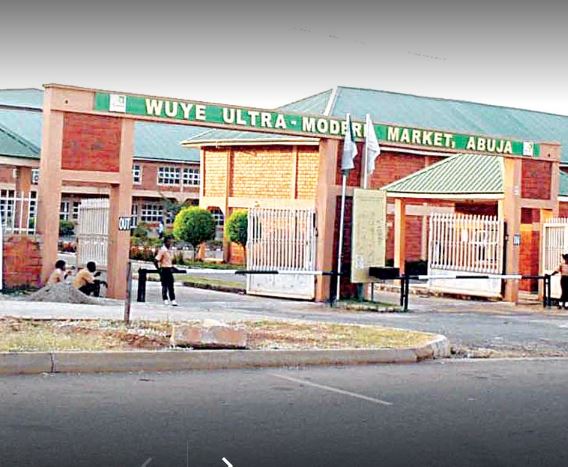
Wuye is one of those Abuja districts that quietly transformed while everyone was watching Maitama and Asokoro. Today, it stands as one of the capital’s most strategic and desirable residential areas. But before the paved roads, gated estates, and luxury apartments, Wuye was something entirely different.
ALSO READ: Wuye Ultra Modern Market: Your Gateway to Unprecedented Investment & Commerce
Understanding Wuye today requires looking back at where it started.
From Indigenous Settlement to Federal Capital Territory
Long before Abuja became Nigeria’s capital in 1991, Wuye was home to indigenous Gbagyi communities. The Gbagyi people were predominantly farmers and hunters who lived simple, land-centered lives. They cultivated crops, traded within surrounding settlements, and maintained a peaceful communal structure. Gbagyi was widely spoken, while Hausa served as a trade language.
When the Federal Capital Territory was created in 1976, a large-scale resettlement process began. Indigenous communities from districts earmarked for development were relocated to satellite towns such as Kubwa, Bwari, and Suleja. Wuye was among the areas cleared to make room for a modern, well-planned capital city.
What followed was decades of structured urban planning, infrastructure rollout, and gradual private development.
Strategic Location and Urban Appeal
One of Wuye’s strongest advantages is its location. It sits comfortably between the Central Business District and major districts like Utako, Jabi, and Wuse. This positioning makes it highly attractive for professionals who work in the city center but prefer quieter residential environments.
Accessibility is another major selling point. The district connects easily to key arterial roads, reducing commute time compared to more distant satellite towns. For many residents, Wuye offers that rare balance between convenience and serenity.
Unlike older, tightly packed districts, Wuye benefits from Abuja’s master plan design. Roads are relatively wide, estates are organized, and there is visible structure in zoning. The district features a mix of standalone houses, serviced apartments, terraces, and developing commercial spaces. It is not chaotic, and that order is part of its appeal.
Read Next
 Nigeria Real Estate Market 2026: Prices, Rents, Hot Locations, and What Buyers Should Watch
ALSO READ: Katampe, Jahi, and Gwarinpa: Fast-Growing Abuja Neighborhoods to Watch
Property Market Overview
Wuye has firmly positioned itself as an upper-mid to high-end residential district. Property prices reflect both its location and its growing demand.
Land in Wuye typically ranges from ₦150 million to over ₦400 million, depending on plot size, documentation, and proximity to main roads. Fully developed houses for sale generally fall between ₦120 million and ₦600 million or more, especially for luxury detached homes and well-finished duplexes.
Rental prices also mirror its status. Two to four-bedroom apartments often rent for between ₦3 million and ₦10 million per annum. The exact figure depends on finish quality, estate facilities, and security features.
What makes Wuye particularly attractive to investors is its steady appreciation. It may not have the prestige label of Maitama, but it offers strong value growth potential. As surrounding districts continue to mature, Wuye’s central positioning strengthens its long-term outlook.
Lifestyle, Environment, and Investment Potential
Wuye is often described as calm and organized. The district does not carry the heavy commercial traffic of Wuse or the extreme exclusivity of Asokoro. Instead, it offers a balanced residential feel. Many estates within Wuye provide controlled access, security, and modern infrastructure. The environment is generally serene, making it attractive to families, returning diaspora investors, and mid to senior-level professionals. Commercial activity is increasing, though not overwhelming. Small business hubs, offices, and retail outlets are gradually expanding within and around the district. Its proximity to Jabi and Utako also gives residents easy access to shopping malls, restaurants, schools, and healthcare facilities without needing to live directly in high-traffic zones.
From an investment perspective, Wuye represents stability. It is no longer an emerging district, but it is not fully saturated either. This middle position makes it appealing for those seeking capital appreciation without taking extreme speculative risks.
Wuye tells a broader story about Abuja itself. What began as farmland inhabited by indigenous communities has evolved into structured estates, luxury homes, and thriving residential pockets. It reflects how planning, location, and steady development can reshape land value over time.
For buyers and investors looking for accessibility, order, and long-term value within Abuja, Wuye continues to stand out as a district worth serious consideration.

Social
PropertyPro Insider shares practical real estate guidance, market context, and home ownership stories for readers across Nigeria.