New vs Existing Homes in Abuja: Which Offers Better Value in 2026?
When you start digging into Abuja’s housing market in 2026, one of the first decisions you’ll face as a buyer is whether to choose a newly built home…
When you start digging into Abuja’s housing market in 2026, one of the first decisions you’ll face as a buyer is whether to choose a newly built home or an existing property that’s already standing. On the surface, this might seem simple, new is shiny and modern, existing is often cheaper but the decision has deeper implications for value, lifestyle, and long-term return on investment.
In this article, we’re going to unpack the differences between new and existing homes in Abuja. We’ll look at cost, infrastructure, timelines, resale potential, renovation needs, and the kind of lifestyle each option delivers.
By the time you finish reading, you should have a clear understanding of which path might be the better fit for your goals.
What Do We Mean by “New” and “Existing”?
Before we go further, let’s clarify the terms.
A new home refers to a property that has been recently constructed or is still under development. These are often marketed as new builds or “turn-key” homes, meaning they are ready for you to move into without immediate refurbishment.
An existing home, on the other hand, is a property that has been lived in or has remained on the market for some time. These homes can range from well-maintained to needing significant upgrades.
Both new and existing homes have their advantages and drawbacks. The smart choice depends on what you value most price, convenience, future appreciation, or ready-to-move-in comfort.
Current Market Conditions in Abuja and Why This Matters
Abuja’s housing market in 2026 has been shaped by a mix of macroeconomic direction, urban growth, and rising construction costs. Over the past few years, property prices have increased in nominal terms meaning prices in naira are higher than before with year-on-year gains ranging roughly between 10 and 18 percent. When inflation is taken into account, actual price growth becomes more modest. Still, home values have generally trended upward.
This macro backdrop influences how new and existing homes perform. Construction cost pressures especially for cement, steel, and imported fixtures have driven up the base cost of new homes. At the same time, demand for move-in ready properties means many existing homes command solid offers if they are properly maintained or upgraded.
In short, the question of value isn’t just about sticker price. It’s about how well a home meets your needs and whether it holds (or grows) value over time.
Cost Comparison: New Homes vs Existing Homes Purchase Price
In most cases, new homes in Abuja cost more upfront than comparable existing homes. Buyers typically pay a 15 to 25 percent premium for new construction when compared with similar existing properties. This premium reflects several factors:
- Modern finishes: New homes often include updated designs, modern kitchens, and contemporary bathrooms.
- Built-in infrastructure: Features like perimeter fencing, paved driveways, and integrated security systems add to the base cost.
- Power and water solutions: Many new builds come with generators, inverters, or water storage systems already installed.
Existing homes, even in good condition, often offer a lower entry price because they may lack some of these upgrades.
Total Cost of Ownership
But price at purchase is only part of the story. You need to consider additional costs:
- Legal fees and stamp duty: These apply to both new and existing homes.
- Renovations: Older homes often require immediate updates such as repainting, electrical work, or fixing wear and tear.
- Title verification and AGIS clearance: Regardless of property age, verification costs are similar.
When you factor these in, the gap between new and existing homes narrows. In some cases, an existing home that needs light renovation might end up costing about the same as a new build with modern finishes.
Value for Money
So which offers better value? In price alone, existing homes often seem more attractive. But if you plan to avoid renovation hassles and want a home you can move into immediately, the premium for new construction might be worth it.
The trick is to run the numbers carefully on each specific property, not just by category.
Lifestyle Considerations
Move-In Readiness
This is where new homes shine. If your priority is a property that needs no immediate work, new builds generally deliver more value. You can walk in, unpack, and start living without needing contractors or repairs.
Existing homes, even when well maintained, often require some level of touch-up before they feel really “yours.” That could mean repainting walls, replacing worn tiles, or updating fixtures.
Design and Practicality
New homes often follow modern design trends: open floor plans, bigger windows for natural light, and layouts that maximize space. They may also have features like attached garages or smart home pre-wiring.
Existing homes can be more varied. Some have classic layouts that many buyers love, while others may feel outdated and require adaptation.
Community and Amenities
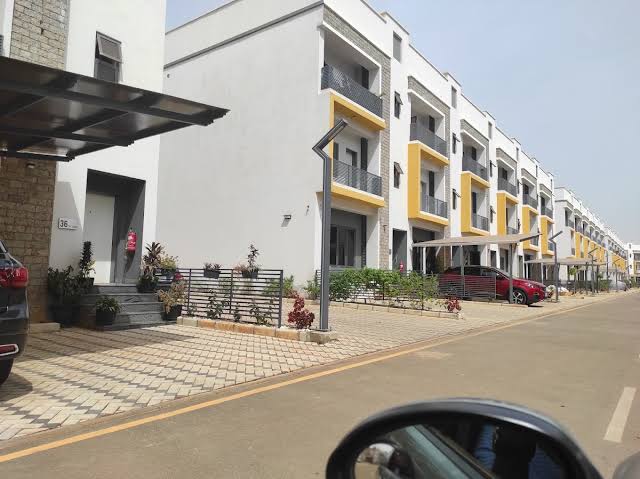
New developments are often part of planned neighborhoods that include shared amenities — playgrounds, security posts, green spaces — all designed with a certain lifestyle in mind.
Existing homes in older neighborhoods may offer access to established community institutions, like markets, schools, and long-standing social networks. These elements add non-monetary value that isn’t easily quantified but makes a difference in daily life.
Investment Potential
Most people buy property for one of two reasons: to live in it or to earn a return on it, either through rent or eventual sale. Let’s look at how new and existing homes stack up in terms of investment.
Rental Income
If you plan to rent out your property, the quality and condition matter. Newly built homes often command higher rents because tenants prefer modern finishes and hassle-free living conditions. This can translate into stronger monthly income, especially among professionals and expatriates.
Read Next
 Why Many Nigerian Realtors Are Struggling to Convert Social Media Into Deals
Existing homes can also command good rents, particularly if they are well-located and maintained. In areas where rental demand is strong, landlords who invest a little in refurbishment can often charge rents that rival nearby new builds.
The key point here is that rental yield depends less on whether the home is new or old, and more on location, condition, and how attractive the property is to tenants.
Price Appreciation
Abuja property values tend to appreciate over time, but the pace of growth depends on neighborhood dynamics. Prime areas and well-connected emerging neighborhoods tend to see stronger price growth.
New homes in rapidly developing corridors may capture a larger share of future appreciation, especially if infrastructure projects are underway.
Existing homes in stable neighborhoods can also appreciate well, especially if they are improved or extensively renovated.
Overall, the difference in future value between new and existing homes often comes down to location and timing far more than age alone.
Risks and Drawbacks
Overpaying for Speculative Premium
One risk with new homes in Abuja is paying too much based on future expectations rather than actual current value. Some developers price new builds based on projected infrastructure improvements that may take years to fully materialize. If these improvements are delayed or stalled, price growth can lag.
Hidden Renovation Costs
Existing homes come with their own risks. What looks like a small issue today, a cracked tile, old wiring, a leaking roof can turn into a significant expense after you close. Buyers who discount renovation costs often end up spending more than they expected.
Market Liquidity
Both new and existing homes can have liquidity challenges if market demand softens. However, well–priced existing homes in established neighborhoods often sell faster because buyers can see what they are getting without waiting for new infrastructure to materialize.
How to Compare Value When You’re Choosing
Here’s a simple mindset to adopt: don’t compare new vs existing homes in a vacuum. Compare specific homes based on:
- Actual location
- Price per square meter
- Condition and expected upgrades
- Rental potential (if applicable)
- Time to move in
- Proximity to jobs, schools, and services
Run the numbers with a realistic renovation budget for older homes and realistic expectations about how long new infrastructure will take to deliver.
Scenarios: Which Option Fits You
1. You Want a Home You Can Live In Now
If you need a place immediately, and you don’t want the stress of renovation, then a new home — even with a price premium may make sense. You pay more up front, but you save time and uncertainty.
2. You’re Buying for Long-Term Investment
If your goal is pure investment with a horizon of five years or more, then a well-located existing home that can be upgraded might offer the best value. You buy at lower cost, improve the property, and benefit from both rental income and price appreciation.
3. You Want a Mix of Value and Comfort
Some buyers choose existing homes that have already been renovated or are in good condition. This lets you avoid immediate costly remodeling while still paying less than you would for a brand new build.
Tips for Smart Decision Making
When you are evaluating homes in Abuja, ask yourself these questions:
- Has the property been well maintained?
- What would it cost to fix the major items if needed?
- How close is the property to major roads, schools, and businesses?
- Is the area growing in terms of infrastructure and social services?
- How quickly can you move in?
- What are the projected rental rates for similar properties?
Answering these questions honestly gives you better insight into true value, not just advertised price.
Final Thoughts
There is no universal answer to whether new or existing homes are better in Abuja in 2026. The right choice depends on your personal goals, budget, timeline, and risk tolerance.
New homes offer convenience, modern design, and move-in readiness. They often feel cleaner and require less immediate work. But they come at a premium.
Existing homes can be more affordable and may allow you to invest the savings into upgrades that increase value. They also offer opportunities in stable neighborhoods with strong rental markets. The best buyers look at each property on its own merits, not just whether it is new or old. They combine careful cost analysis with a long-term view of demand, infrastructure, and personal needs.
When you approach the decision this way, you get better value, make smarter investments, and avoid common mistakes many buyers make.

Social
PropertyPro Insider shares practical real estate guidance, market context, and home ownership stories for readers across Nigeria.