Should Tenants Renovate Their Apartments? What Every Renter Needs to Know
One of the most active conversations on Nigerian social media lately revolves around a simple question: should tenants spend their own money to renovate the apartments they rent?…
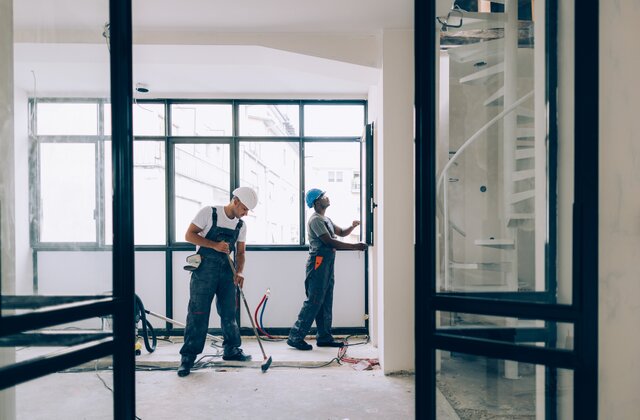
One of the most active conversations on Nigerian social media lately revolves around a simple question: should tenants spend their own money to renovate the apartments they rent? Scroll through X or other platforms, and you’ll find endless debates. Some people argue that personalizing your apartment is essential for comfort and mental well-being. Others insist it’s a waste of money on a property you do not own.
This discussion isn’t just online noise—it reflects real challenges renters face every day. From deciding how to make a space feel like home, to managing finances carefully, understanding the risks and benefits of renovation is critical, especially in Nigeria where renting remains the dominant housing arrangement for young professionals and families in cities like Lagos, Abuja, and Port Harcourt.
Why Tenants Want to Renovate
Renovating as a tenant often begins with the desire to create a more livable and comfortable space. Many apartments are bland, outdated, or not suited to a renter’s lifestyle. Small changes like repainting walls, improving lighting, or upgrading minor fixtures can transform a flat into a place that feels truly like home.
For tenants planning to stay long-term, the psychological benefits can be significant. A thoughtfully organized and visually appealing space contributes to comfort, productivity, and overall well-being. Personalizing a rented home can also make entertaining friends and family more enjoyable. These are real, tangible benefits that explain why so many renters feel drawn to renovation despite the financial risk.
The Financial Reality of Renovating as a Renter
Before tenants pull out their wallets, it’s important to consider the financial implications. Unlike homeowners, tenants do not own the property. Any money spent on structural upgrades, luxury finishes, or major installations is unlikely to translate into financial returns. At the end of the lease, the value of improvements generally accrues to the landlord, not the tenant.
Even seemingly minor renovations can add up. Installing better taps, repainting walls, upgrading lighting, or adding shelves can cost tens of thousands of naira. Replacing kitchen cabinets, rewiring electricals, or fixing flooring can cost hundreds of thousands. For someone renting in Lagos or Abuja, these costs may rival a month’s salary or more. Renters must weigh whether comfort and personalization justify the expense.
Legal Considerations: Know Your Rights
Renovating without permission can create legal and financial problems. Most tenancy agreements in Nigeria include clauses restricting major modifications to the property. Tenants who repaint walls a different color, drill holes, or install fixtures without approval may risk losing their security deposit or facing disputes with their landlord. A safer approach is always to get written consent before making changes. Landlords may be more amenable to tenants who request minor improvements in writing. Sometimes, landlords even share the cost if the renovations enhance the property’s overall value. Clear communication is critical, especially for larger investments like kitchen upgrades or bathroom remodels.
ALSO READ: Rent or Short-Let? The Real Estate Dilemma for Nigerians Returning Home for the Holidays
Timing Matters: When Renovation Makes Sense
Renovation is not always appropriate, even for tenants who can afford it. If your lease is short-term, spending heavily on upgrades is usually not cost-effective. Likewise, if you anticipate moving in the next year or two, the emotional satisfaction may not outweigh the financial loss.
On the other hand, long-term tenants may benefit from selective upgrades. Investing in comfort and functionality—like painting walls, adding storage solutions, improving lighting, or updating cabinets—can pay dividends in quality of life. Tenants who plan to stay for multiple years can often recoup at least part of the investment through enhanced living conditions.
Practical Tips for Tenant Renovation
For tenants who decide that some level of renovation is worthwhile, a careful, strategic approach is essential.
1. Start Small: Focus on non-permanent improvements that enhance comfort and aesthetics without violating the lease. Think wall hangings, rugs, lighting, or temporary storage solutions.
2. Prioritize Functionality: Upgrades should solve real problems, not just look good. For example, better shelving, storage, or lighting can improve everyday living.
Read Next
 Paying Millions for a Tiny Room in Ikoyi: Is It Really Worth It?
3. Document Everything: Take photos and keep receipts of all improvements. If renovations are approved by the landlord, written agreements help avoid disputes when moving out.
4. Negotiate with Landlords: Some landlords are willing to cover part of the cost or adjust rent in exchange for improvements that increase the property’s value.
5. Avoid Permanent Structural Changes: Refrain from knocking down walls, changing plumbing, or rewiring electricals without formal permission. Permanent alterations are the riskiest and often not recoverable.
ALSO READ: The Shift from Build-to-Rent to Build-and-Sell: Why It’s Hurting Nigeria’s Housing Market
The Social Media Angle
The debate on X, Instagram, and other social platforms highlights the generational shift in how renters view their homes. Many younger Nigerians, especially professionals moving frequently between Lagos, Abuja, and Port Harcourt, prioritize personalization over financial prudence. Comments sections are filled with stories of tenants spending heavily to make a rented space “feel like theirs.”
This reflects a broader cultural shift: modern renters often see their apartment as an extension of personal identity. While older generations might have seen renting as purely temporary, younger tenants are willing to invest in comfort, convenience, and style—even when it doesn’t increase property value.
Balancing Comfort and Financial Sense
Ultimately, whether to renovate as a tenant is a balance between comfort, lifestyle, and financial prudence. Spending money on an apartment you do not own will always carry risk, but careful planning and realistic expectations can mitigate that risk.
Tenants should ask themselves: Will this renovation improve my daily life significantly? Is my lease long enough to justify the investment? Have I received proper approval from the landlord? The answers to these questions often separate a smart investment from a costly mistake.
Alternatives to Full Renovation
For tenants hesitant to invest heavily in a rented apartment, there are alternatives. Temporary or modular improvements can provide many benefits of renovation without the risks. Peel-and-stick wall tiles, furniture upgrades, area rugs, curtains, and modular storage solutions can all enhance comfort while remaining easily removable.
Additionally, focusing on lifestyle improvements—like organization, cleaning, or small cosmetic touches—can dramatically change how an apartment feels without permanent investment. In many cases, these strategies give renters most of the emotional payoff of a renovation without jeopardizing security deposits or future flexibility.
Conclusion: Make Thoughtful Choices
The debate over tenant renovation is unlikely to disappear. Social media chatter reflects the tension between comfort and financial sense. Tenants in Nigeria are increasingly willing to invest in making their apartments feel like home, but it is crucial to approach renovation thoughtfully.
Renovation can be worthwhile if it is planned strategically, focused on small, non-permanent improvements, and done with landlord approval. Long-term tenants benefit the most, while short-term renters should prioritize temporary, low-risk changes.
At the end of the day, your apartment should support your lifestyle without compromising your financial security. Thoughtful decisions, clear communication, and smart planning ensure that your home feels like yours, even if it is rented. Renovating as a tenant is not inherently good or bad—it is a choice that comes down to purpose, timing, and financial discipline. Make the decision that aligns with your goals, and your rented apartment can become a space you truly enjoy without unnecessary risk.

Social
PropertyPro Insider shares practical real estate guidance, market context, and home ownership stories for readers across Nigeria.