The 10-Minute Property Check That Could Save You Millions
Buying or renting a property is one of the most important financial decisions you’ll ever make. In Nigeria, where demand for housing in cities like Lagos, Abuja, and…
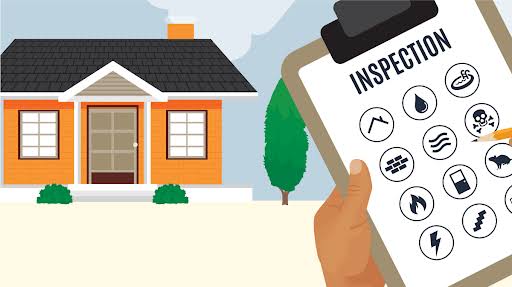
Buying or renting a property is one of the most important financial decisions you’ll ever make. In Nigeria, where demand for housing in cities like Lagos, Abuja, and Port Harcourt is constantly outpacing supply, it’s easy to get caught up in the aesthetics of a property. That sleek kitchen, modern bathroom, or panoramic balcony view can distract you from bigger, hidden problems that could cost you a fortune in the long run.
The good news is that protecting yourself doesn’t require an engineering degree or expensive tools. With just ten minutes and careful attention, you can spot red flags that most people overlook, save yourself from costly repairs, and make smarter decisions. Here’s how.
Start With the Structure and Water Systems
The first step in your quick property inspection should always be the building’s structure. Walk through the rooms and look closely at the walls, floors, and ceilings. Tiny hairline cracks are common and usually nothing to worry about, but wide or diagonal cracks often signal a problem with the foundation. Ignoring these can be dangerous and expensive. Foundation repairs are complex and costly, and a property with serious structural issues is almost never worth the investment.
Water damage is another silent threat that often goes unnoticed until it’s too late. Check ceilings for brown stains, walls for discoloration, and floors near sinks and toilets for damp patches. Inspect behind washing machines and under sinks, as these are common spots for leaks. Water issues don’t just ruin paint and flooring—they can weaken the structure, create mold, and lead to health risks. In Nigeria’s rainy season, even minor leaks can escalate quickly.
Plumbing problems are equally critical. Turn on taps in every room, including kitchens, bathrooms, and utility areas. Is the water pressure strong, or just a weak trickle? Flush toilets and observe drainage. Slow or uneven drainage can indicate clogged or corroded pipes. Fixing these issues later will not only be costly but will also disrupt your daily life.
ALSO READ: Real Estate Tips for First-Time Home Sellers
Check Doors, Windows, and Electrical Safety
Many buyers admire the doors and windows without actually testing them. Take the time to open and close every door and window in the property. Do they stick, creak, or fail to close completely? Misaligned doors or windows can indicate that the building has shifted over time. This might seem minor, but it can lead to security issues, energy inefficiency, and more serious structural problems. Electrical systems are another area where shortcuts can be costly. Test every light switch and electrical socket. If you notice flickering lights, burnt smells, or discolored outlets, take it seriously. Faulty wiring is a common cause of fires and other accidents, and fixing electrical problems in a property after purchase can be both dangerous and expensive. Bring a phone charger or small appliance to test sockets if necessary.
Read Next
 How Much Can a Real Estate Agent Really Earn in Nigeria?
Smell, Ventilation, and Neighborhood Insights
Your senses can reveal a lot about a property. Step into every room and take a deep breath. Smells of dampness, mold, or mustiness usually point to poor ventilation or hidden water damage. Ventilation isn’t just about comfort; it directly impacts the property’s durability and your health. Properties with inadequate airflow encourage mold growth and can exacerbate respiratory problems over time.
While you’re inspecting the property itself, don’t forget to look outside. Observe the neighborhood and talk to people who live there. Neighbors can give you insights you won’t find on a property listing. Ask about power reliability, flooding during rains, security concerns, and general living conditions. A property might look perfect inside, but the surrounding environment could reveal potential issues that affect your daily life and property value.
ALSO READ: Ogun State: Nigeria’s Fastest Growing Real Estate Frontier
Documents and Legal Checks
Even the most beautiful property can turn into a nightmare if the paperwork isn’t in order. Always verify key documents before committing. Ask for the building approval, survey plans, and Certificate of Occupancy (C of O) or any equivalent title documents. Lack of proper documentation is a common issue in Nigeria and can lead to legal battles, demolition notices, or financial loss.
If you’re dealing with a rental property, ensure the lease agreement is clear, signed, and contains all necessary terms. Some landlords might try to rush tenants into paying large sums upfront or skip crucial paperwork. Don’t fall for the pressure. Taking your time to review legal and title documents can prevent years of stress and financial loss.
Buying or renting a property doesn’t have to be overwhelming. With a focused ten-minute inspection, you can uncover issues that would otherwise cost you millions of naira down the line. Pay attention to structure, plumbing, electrical systems, ventilation, neighborhood conditions, and legal documents. Ask questions, trust your senses, and never rush your decision.
A little patience now can save you years of regret and unexpected expenses. The next time you step into a property, remember that what you don’t see can hurt you far more than what you do. A ten-minute inspection today could protect your investment for a lifetime.

Social
PropertyPro Insider shares practical real estate guidance, market context, and home ownership stories for readers across Nigeria.